
Ritz-Carlton Maldives, Fari Islands Signals Shift Toward Conservation-Focused Luxury in Maldives
Ritz-Carlton Maldives blends luxury and conservation as private-island resorts reshape Maldives tourism, driving marine protection and local economic gains.
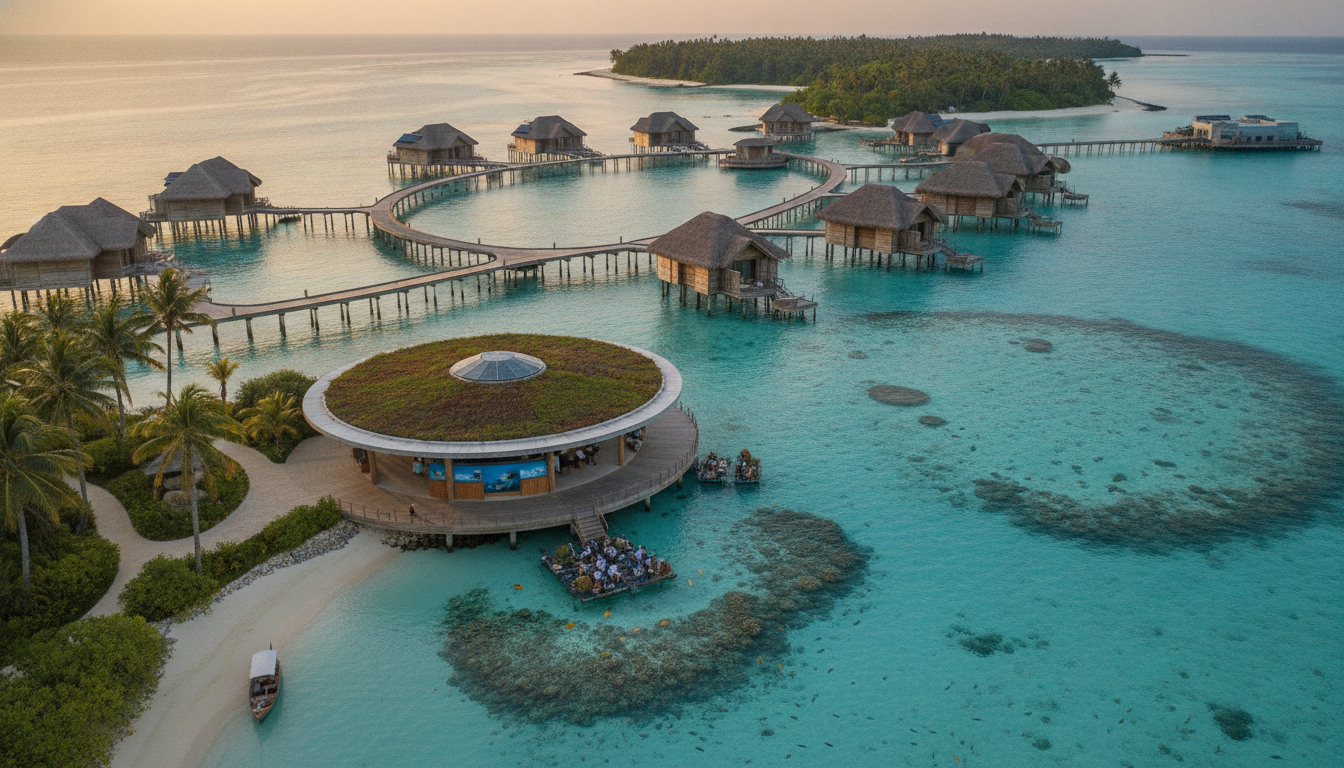
The Ritz-Carlton Maldives, Fari Islands has become a prominent example of how private-island resorts in the Maldives are marrying high-end hospitality with active conservation work. The Ritz-Carlton Maldives is being cited by operators and guests alike as a model for combining exclusive services with programmes aimed at protecting coral reefs and coastal ecosystems. This development reflects a broader pivot in the Maldives tourism market, where luxury stays increasingly emphasize environmental stewardship alongside leisure.
Private-island resorts anchor Maldives luxury sector
Private-island resorts have come to represent the highest-value segment of Maldives tourism, attracting guests willing to pay for seclusion and tailored experiences. Operators position properties such as the Ritz-Carlton Maldives as destinations that offer privacy, bespoke services, and curated encounters with local marine environments. Those resorts command premium rates and are central to marketing the Maldives as a global luxury destination.
Investment in private islands has accelerated in recent years, driven by demand from wealthy travelers and expanded flight links to the region. The concentration of capital on isolated properties raises both economic opportunities and planning challenges for Maldivian authorities and communities. Resorts argue that concentrated, high-yield tourism can reduce pressure on more vulnerable islands while funding conservation measures.
Ritz-Carlton Maldives showcases design and amenities
The Ritz-Carlton Maldives emphasizes villa privacy, overwater suites, and a portfolio of dining and wellness options tailored to affluent visitors. Its design blends contemporary luxury with island vernacular, using materials and layouts intended to minimize visual and environmental footprint. Facilities typically include spa sanctuaries, multiple restaurants, and private boat services that support personalized guest itineraries.
Operational features at the Ritz-Carlton Maldives reflect a trend toward customizable hospitality, from private chefs to bespoke excursions. Such offerings allow resorts to justify higher nightly rates while limiting visitor numbers on sensitive sites. For many guests, the combination of on-island comfort and curated off-island experiences is a core part of the appeal.
Resorts expand marine conservation programmes
Marine protection has become a visible element of resort operations, with on-site initiatives ranging from coral nurseries to turtle rehabilitation. At several properties, including the Ritz-Carlton Maldives, conservation programmes are presented as integral to the guest experience, offering opportunities for volunteer participation and educational briefings. Resorts also collaborate with marine biologists and regional research groups to monitor reef health and biodiversity.
These programmes serve dual purposes: conserving fragile ecosystems and differentiating resorts in a competitive luxury market. Operators report that guests increasingly expect demonstrable environmental commitments, and conservation activities are used in marketing to underscore authenticity. The long-term efficacy of these efforts depends on sustained funding and transparency about outcomes.
Economic effects on workforce and local suppliers
Private-island resorts generate jobs for Maldivians in hospitality, technical roles, and conservation activities, while creating demand for local food producers and artisans. The Ritz-Carlton Maldives and similar properties often advertise training programmes aimed at elevating service standards and providing pathways to supervisory positions. For many island communities, employment at luxury resorts offers higher wages compared with traditional livelihoods.
However, industry observers note potential downsides such as skill bottlenecks, seasonal employment patterns, and dependencies on imported goods. Resorts require specialized staff, sometimes recruiting internationally, which can limit localized value capture. Ensuring that supplier contracts and workforce development include local stakeholders remains a policy focus for national and atoll-level authorities.
Guest demand for eco-luxury experiences grows
Travelers booking high-end stays in the Maldives increasingly seek experiences that combine indulgence with sustainability credentials. The Ritz-Carlton Maldives markets activities such as guided reef snorkels, marine education sessions, and low-impact water sports to meet this demand. For many visitors, participation in conservation-related programmes enhances the perceived value of a stay and fosters repeat bookings.
Marketing strategies for eco-luxury often highlight measurable impact, such as area of reef restored or species monitored, to build trust with environmentally minded guests. Resorts that can demonstrate credible partnerships and quantifiable results are better positioned to capture this segment of the market. Transparency and third-party verification are becoming more important in guest decision-making.
Climate risks shape long-term resort strategies
Operators of Maldivian private-island resorts are confronting long-term risks from sea-level rise, storm intensity, and coastal erosion, which influence master planning and asset management. The location of resorts like the Ritz-Carlton Maldives on low-lying atolls necessitates investment in resilient infrastructure and adaptive design measures. Developers and operators are factoring climate scenarios into lifespan planning for villas, utilities, and protective measures.
These climate realities also intensify the incentive for resorts to participate in broader environmental initiatives, from mangrove restoration to carbon management. Balancing short-term profitability with investments in resilience and conservation is a central challenge for operators and regulators aiming to preserve both tourism revenue and natural assets.
The Ritz-Carlton Maldives, Fari Islands stands as a visible illustration of how luxury hospitality and conservation can be combined in the Maldives, yet the model raises questions about scalability and equity. As private-island resorts expand their ecological programmes and economic roles, policymakers, operators, and local communities will need to coordinate on standards, benefit-sharing, and long-term resilience to ensure that high-end tourism supports both environmental health and sustainable development.

