
Ootoya overseas expansion accelerated under new president Mitsumori
Ootoya overseas expansion steps up as president Tomohito Mitsumori pledges global growth for Ootoya Gohan Dokoro, citing teishoku demand and Colowide systems.
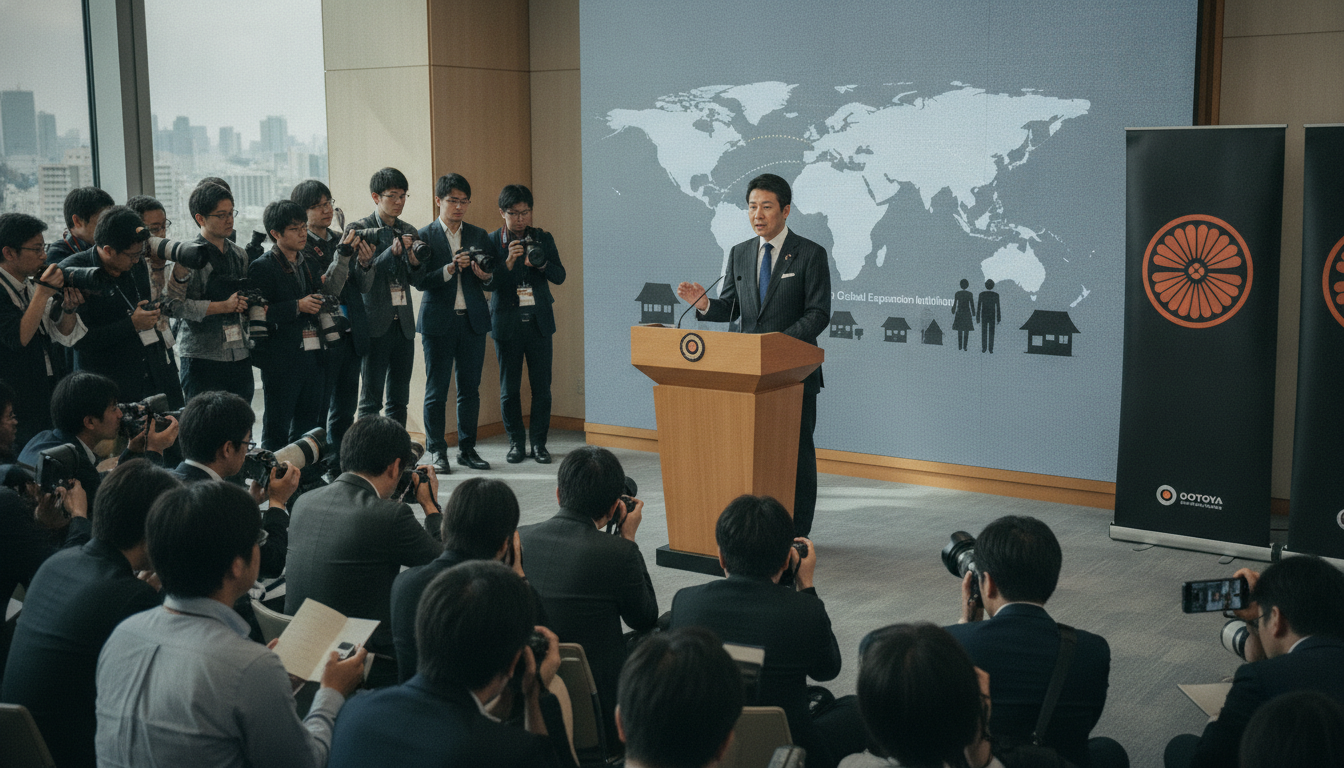
Tomohito Mitsumori, 37, announced plans to accelerate Ootoya overseas expansion in an interview in Yokohama, outlining an aggressive rollout for the company’s Ootoya Gohan Dokoro brand.
He said the chain will open new locations across multiple markets to bring authentic teishoku set meals to international diners.
Mitsumori framed the push as a response to rising interest in Japanese food culture and a perception among some overseas consumers that locally available Japanese meals lack authenticity.
New leadership and a clear timeline
Mitsumori assumed the presidency on June 22, 2026, marking a generational change for the family-linked company.
He emphasized that his appointment ushers in a period of strategic growth, with international expansion a top priority for the coming years.
The new leadership team intends to move quickly, using a mix of corporate oversight and local partnerships to shorten time-to-open in target markets.
Current global footprint and targets
Ootoya currently operates roughly 140 restaurants across eight countries and regions, including Thailand, Taiwan and the United States.
The company has identified those markets and others as stepping stones for broader expansion, focusing on cities with established interest in Japanese dining.
Mitsumori said the company will prioritize locations where demand for authentic home-style Japanese meals—particularly teishoku set menus—appears strongest.
Integration with Colowide and operational overhaul
Ootoya became a Colowide subsidiary in 2020 following a period of internal disputes and business underperformance.
Since then, management has worked to integrate operational practices, adopting Colowide’s factory-based batch-cooking system to improve efficiency and consistency.
Mitsumori highlighted that centralized cooking and distribution have reduced kitchen workload, improved cost control and allowed staff to focus more on service and local adaptation.
Positioning teishoku as a global offering
Central to the expansion is Ootoya’s focus on teishoku, the traditional Japanese set meal that pairs a main dish with rice, miso soup and sides.
Mitsumori said many foreign diners have told the company that the Japanese food they encountered abroad felt inauthentic, and Ootoya aims to offer a truer representation of everyday Japanese cuisine.
The chain plans to balance fidelity to core recipes with modest localization—adjusting portion sizes, seasoning levels or side-dish composition to suit local tastes while preserving the set-meal concept.
Market opportunity and competitive landscape
Mitsumori described overseas markets as having “unlimited potential,” pointing to growing global appetite for Japanese food and a steady flow of visitors to Japan who then seek similar dining experiences at home.
The expansion comes as competitors and franchised Japanese concepts also pursue international growth, making site selection, brand clarity and supply-chain management critical success factors.
Ootoya will need to navigate varying regulatory environments, sourcing constraints and differing labor markets while maintaining the quality that defines its teishoku offerings.
Franchise, partnership and supply strategies
To scale efficiently, Ootoya is expected to use a mix of company-owned stores, franchise agreements and local partnerships that can provide market knowledge and operational support.
The factory-based batch-cooking model will play a central role in supply planning, enabling standardized components to be shipped to international kitchens for final assembly.
Mitsumori indicated the company will also invest in staff training and menu translation to ensure the teishoku experience is understandable and appealing to new customers.
Ootoya’s accelerated overseas expansion reflects a deliberate strategy to export a familiar, everyday form of Japanese dining at a time of heightened global interest in the country’s cuisine.
With new leadership, operational systems inherited from Colowide and a clear focus on teishoku, the chain is positioning itself to compete in multiple markets while attempting to preserve the authenticity that Mitsumori says customers increasingly demand.

