
Thailand economy slows to 1.9% in Q2 2026 as tourism slump and energy costs bite
Thailand economy grew 1.9% in Q2 2026, down from 2.8% as tourism slipped and energy costs rose; policymakers weigh measures to shore up growth this summer.
Thailand’s economy expanded 1.9% year-on-year in the April–June quarter of 2026, official data released on August 17, 2026 showed, marking a clear slowdown from the 2.8% growth recorded in the previous quarter. The contraction in momentum was driven by weaker household consumption amid rising energy bills and a sharp drop in inbound tourism after regional travel was disrupted. Policymakers and analysts warned the combined hit from higher fuel costs and a fall in visitors has trimmed near-term prospects for recovery.
Growth Slows to 1.9% in Q2
The national figures published on August 17, 2026 indicate headline growth eased to 1.9% year-on-year for the April–June quarter. This represents a moderation from the January–March period, when the economy expanded at 2.8% compared with the same quarter a year earlier.
Activity in the services sector, which relies heavily on domestic consumption and visitor spending, was a key drag on quarterly performance. Officials cited higher energy prices and disruptions to travel as the main factors tempering demand across households and small businesses.
Tourism Decline Adds Pressure
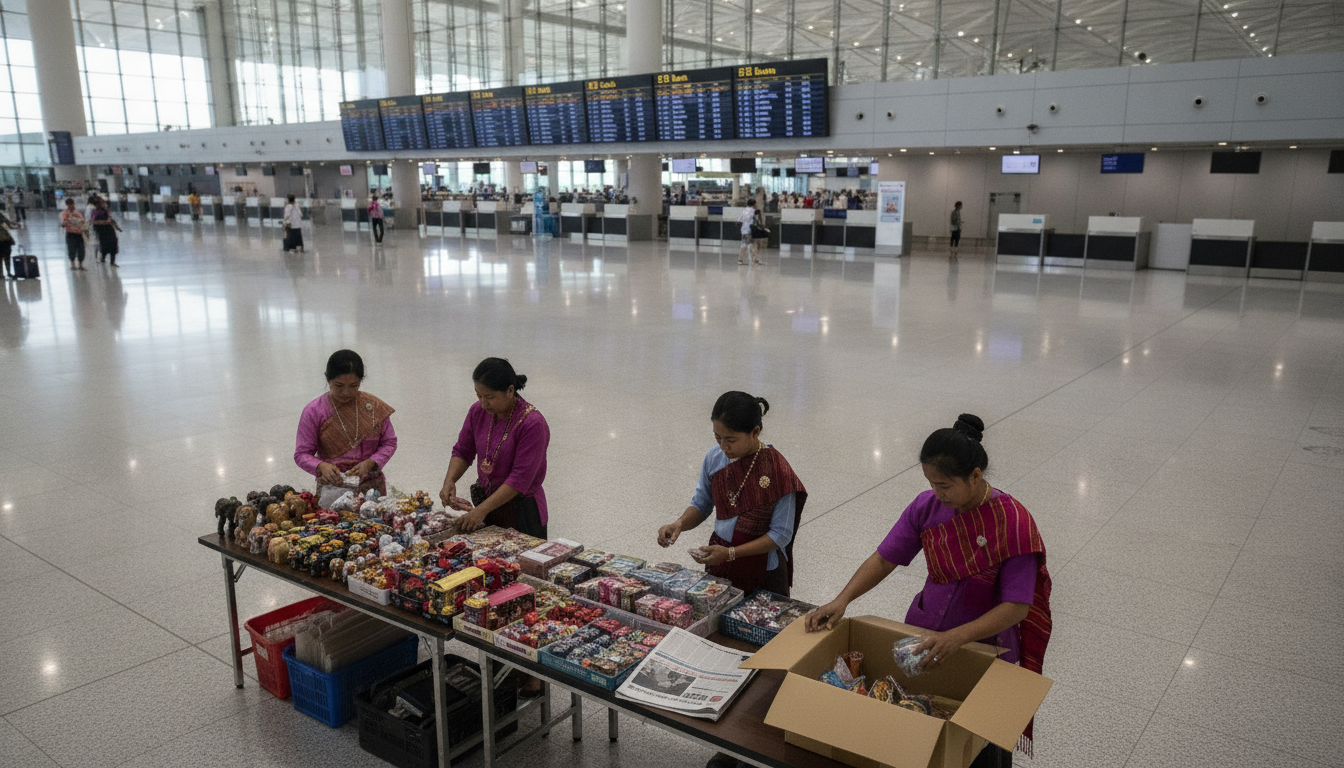
Tourist arrivals fell in the first seven months of 2026, a decline that weighed on hotel occupancy, retail sales and services linked to tourism. Iconic destinations such as Bangkok and beach resorts reported weaker visitation compared with pre-crisis expectations, reducing revenue for tourism-dependent provinces.
The fall in foreign visitors follows heightened travel caution tied to conflicts in the Middle East and higher costs of travel insurance and logistics. Industry groups have warned that the slow start to the peak travel season will blunt the usual summer boost to the economy.
Energy Prices Pinch Households and Firms
Rising energy prices eroded purchasing power and pushed up costs for transportation and utilities, dampening household spending on discretionary items. Consumers facing larger fuel and utility bills curtailed non-essential purchases, limiting momentum in retail and leisure sectors.
Businesses also faced higher operating expenses, particularly in transport and manufacturing segments that are energy-intensive. The squeeze on margins has reduced incentives for near-term hiring and capital spending in some sectors, according to market observers.
Middle East Conflict Disrupts Travel Flows
Regional travel flows were affected by tensions stemming from the Iran war, which prompted caution among international travellers and complicated air routes and schedules. Airlines and tour operators reported cancellations and weaker bookings for trips to Southeast Asia that would normally have supported a tourism rebound.
The geopolitical shock has had spillover effects beyond direct flight disruptions, including increased insurance premiums and greater uncertainty among holidaymakers that dampened demand for advance bookings. That combination has left Thailand’s summer season more subdued than officials had hoped.
Regional Weakness Seen Across ASEAN Economies
Thailand’s slowdown is not isolated; regional data show that four of the six largest ASEAN economies reported weaker expansion amid the same set of external shocks. Slower growth across key neighbours has contributed to softer trade and investment prospects in the subregion.
Economic linkages mean reduced demand from partners can feed back into Thailand’s export and manufacturing sectors, complicating the recovery even if domestic conditions stabilise. Policymakers in Southeast Asia are watching developments closely as they assess the need for coordinated responses.
Policy Response and Near-Term Outlook
Thai authorities are weighing a mix of fiscal and monetary options to support growth, with potential measures aimed at reviving tourism and cushioning households from energy price shocks. Analysts say targeted subsidies, promotional campaigns for key markets, and incentives for domestic travel could be on the agenda if weakness persists.
The outlook for the remainder of 2026 will hinge on three variables: the trajectory of global energy prices, a turnaround in international visitor numbers, and regional geopolitical stability. If energy costs ease and travel confidence returns, growth could pick up in the second half of the year; otherwise, policymakers may need to adopt more sustained support measures.
Thailand’s economy entered the April–June quarter with momentum already softening, and the data released on August 17, 2026 make clear that external shocks have amplified domestic strains. Recovery now depends on a stabilisation of energy markets and a meaningful rebound in tourism to restore the consumption and services growth that historically drive Thailand’s expansion.

