
Trump Threatens Oman After Iran Mediation Breaks Down
On Aug. 17, 2026, Pres. Trump threatened Oman after Iran talks stalled, warning he would "bomb" the country if it blocked efforts to reopen Hormuz trade.
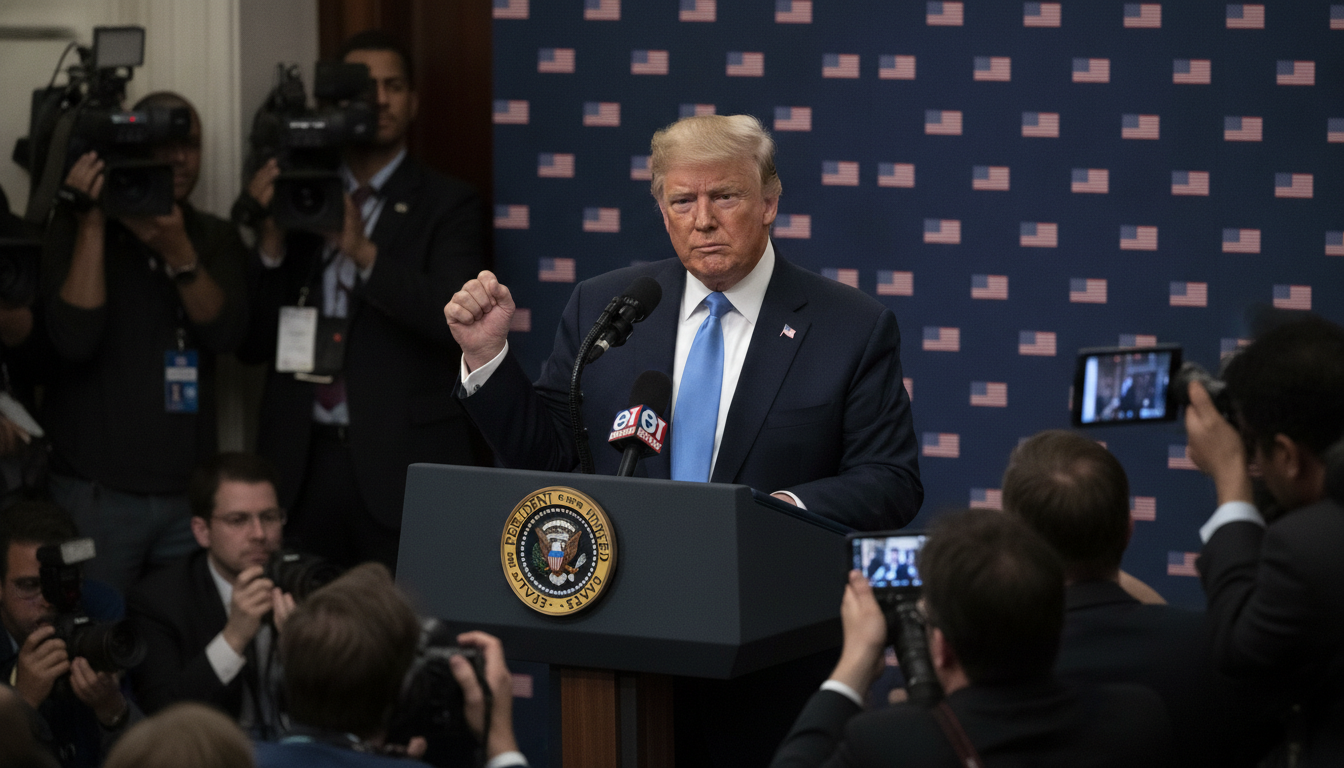
The White House remarks by President Trump on August 17, 2026, sharply criticized Oman’s recent role in talks with Iran and included a direct threat against the Gulf state, according to a FOX News report. The comments, in which the president said “if you get in the way, I’ll bomb the hell out of you,” targeted a country long viewed by Washington as a discreet intermediary in U.S.-Iran communications. The statement immediately raised questions about U.S. diplomatic strategy in the Gulf and the future of efforts to restore safe shipping through the Strait of Hormuz.
Trump’s Threat Directed at Oman
The president’s comment was reported during a telephone interview on Aug. 17 and was framed as frustration over a memorandum tied to the reopening of the Strait of Hormuz that has reportedly unraveled. Trump’s language reiterated a transactional view of alliances that aides and analysts say has characterized his approach to foreign partners. The remark singled out Oman, a country long trusted by the United States to facilitate back-channel talks with Tehran, and suggested punitive action if Washington’s objectives were obstructed.
Oman’s Role in Mediation with Iran
Oman has historically acted as a conduit between the United States and Iran, hosting discreet diplomacy when direct contact was politically fraught for both sides. Officials in Muscat have preferred quiet negotiation and incremental confidence-building measures, rather than public confrontation. The recent memorandum, described by participants as seeking to ease tensions and ensure freedom of navigation through the Strait of Hormuz, reportedly broke down in the weeks leading up to the president’s remarks.
Details of the Memorandum’s Collapse and Diplomatic Context
Precise details about why the memorandum collapsed remain limited in public reporting, but the failure appears to have been a catalyst for the president’s outburst. U.S.-Iran relations remain complex, with direct negotiations constrained by mutual distrust and regional rivalries. Oman’s mediation was seen by some diplomats as a pragmatic attempt to create a limited, enforceable arrangement to reduce the risk of maritime confrontations; the termination of those talks has removed a channel that could have reduced immediate tensions.
Potential Impact on Strait of Hormuz Security
The Strait of Hormuz is one of the world’s most important maritime choke points, carrying a significant share of global oil shipments. Any deterioration in cooperation among regional players raises the prospect of renewed incidents at sea or threats to commercial traffic, which would have immediate implications for global energy markets. Military planners and shipping firms closely monitor rhetoric and incidents in the area, and a public threat directed at a mediator complicates efforts to maintain lower-profile conflict-avoidance mechanisms.
Reactions and Diplomatic Fallout
International and regional diplomatic communities typically prefer de-escalatory language, and a presidential threat toward a partner risks undermining trust. Oman, which has balanced relations with Tehran and Washington for decades, is likely to respond with measured statements emphasizing continued commitment to dialogue, though Muscat’s diplomatic calculus may change if it perceives direct risk to its security. Washington’s other partners in the region could also view the comment as a signal of unpredictable policy, potentially complicating coalition-building on issues from maritime security to counterterrorism.
U.S. Alliances and the President’s Broader Tone
Observers have noted a pattern in which the president frames even allied states as transactional partners whose cooperation can be rewarded or punished. Earlier reporting and remarks in mid-August referenced the administration’s dissatisfaction with certain allies over military exercises and diplomatic alignments. That broader tone feeds into questions about how the United States will sustain long-term security arrangements in Asia and the Middle East if transactional diplomacy continues to override quieter, trust-based channels.
The president’s statement puts immediate pressure on the White House and the State Department to clarify U.S. policy toward Oman and to explain what, if any, military options are being considered. Officials typically avoid commenting on specific operational plans, but diplomats will be pressed to reaffirm how Washington intends to pursue maritime security and conflict-reduction in the Gulf without alienating the very intermediaries who have facilitated talks to date.
This episode underscores the fragility of back-channel diplomacy and the dependence of regional stability on both rhetoric and restraint. With Iran-U.S. direct talks still limited and Oman’s mediation role now under strain, parties across the Gulf and beyond will be watching for concrete diplomatic steps that can restore confidence and prevent miscalculation at sea.

