
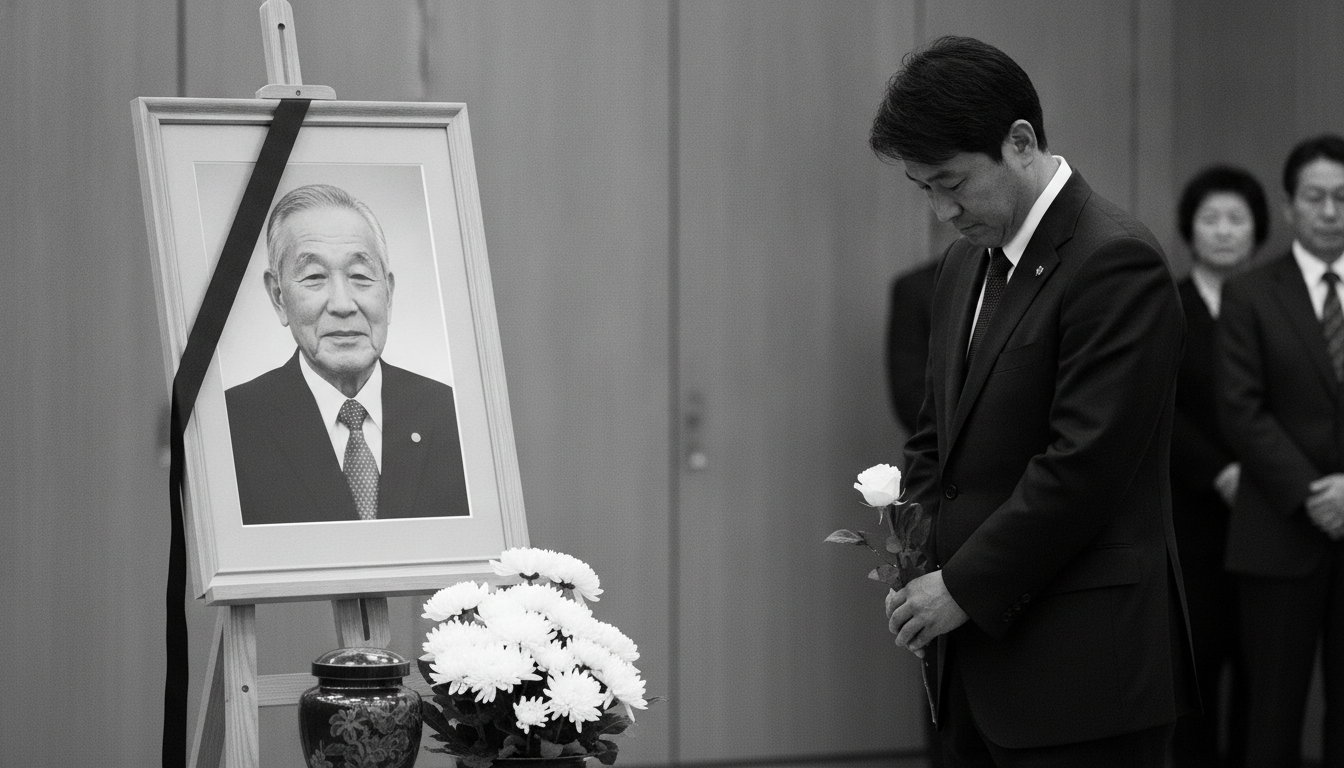
Mototomo Watanabe, Former Yokohama High Coach, Mourned by Rival Takashima
Takashima Hitoshi mourns Mototomo Watanabe, former Yokohama High coach who died Aug. 17, 2026; he recalls their 1994 Senbatsu clash and Watanabe’s lasting influence.
Takashima announces grief for Watanabe
Former Chiben Wakayama manager Takashima Hitoshi, 80, expressed deep sorrow over the death of Mototomo Watanabe, the former manager of Yokohama High School baseball, who died on Aug. 17, 2026 at the age of 81. Takashima described Watanabe as a treasured figure in high school baseball and said the sport had lost an important person with his passing. His comments reflect longstanding respect between rival programs and underline Watanabe’s stature in the national high school baseball community.
Takashima noted the personal connection, saying Watanabe was two school years his senior and that he had often sought Watanabe’s insights at Koshien tournaments. He framed Watanabe’s death as a loss not only to Yokohama but to the broader high school baseball world, calling it the loss of a “treasure” for the sport. Those remarks set the tone for reflections on both specific matches and Watanabe’s influence on player development.
1994 Senbatsu meeting and its significance
Takashima recalled a defining meeting between the two coaches at the 66th Senbatsu high school baseball tournament in 1994, when Takashima’s team defeated Yokohama 10–2 in the second round. He said that victory was pivotal, and later reflected that Yokohama’s subsequent achievements underscored how strong Watanabe’s program had become. According to Takashima’s account, Yokohama went on to defeat prominent teams such as Uwajima Higashi, PL Gakuen and Joso Gakuin en route to capturing its first Senbatsu championship.
The 1994 confrontation remained vivid in Takashima’s memory because it connected two successful programs at a high point in national competition. He emphasized that beating Yokohama that year proved meaningful for his own program’s legacy as well. The exchange also illustrates how single matchups at Koshien can resonate across decades in Japanese high school baseball lore.
Questions about developing professional-level talent
Takashima said he frequently interrogated Watanabe at Koshien about how Yokohama cultivated players with professional potential. He was particularly interested in methods that turned promising high-school athletes into pro-ready competitors. Those conversations reflected a professional curiosity about coaching philosophy and long-term player development that went beyond routine game strategy.
Watanabe’s answers, Takashima recounted, were practical and process-oriented, focusing on structured training and planning from a young age. The discussions influenced how rival coaches thought about talent nurturing and contributed to broader conversations about preparing athletes for elite performance and careers beyond high school.
Early training methods behind Matsuzaka’s rise
Takashima singled out the example of Daisuke Matsuzaka, noting that Watanabe used training facilities and separate conditioning programs for him from his first year of high school. He said that employing facility-based, year-by-year training plans for a freshman was an approach he had not considered at the time and found instructive. Takashima suggested that such early, targeted conditioning helped both in building strength and in protecting players from injury.
He linked that regimen to high-level outcomes, observing that a thorough physical-preparation plan made feats like a no-hit, no-run performance in a final more attainable. While Takashima stopped short of making technical evaluations, he credited Watanabe’s forward-looking use of training resources as a model for modern high school coaching.
Athletic load and the Kanagawa path to Koshien
Reflecting on regional differences, Takashima remarked that teams emerging from Kanagawa face a tougher path to the national stage and are more likely to arrive at Koshien fatigued than teams from other prefectures. He contrasted that reality with squads coming from Wakayama, suggesting differing competitive dynamics and travel burdens shape tournament readiness. Despite the added strain, Takashima emphasized his admiration that Yokohama still managed to succeed under Watanabe’s leadership.
Those comments underline how local league structures and the intensity of prefectural competition can affect team performance at national tournaments. Takashima’s respect for Yokohama’s achievements speaks to Watanabe’s ability to prepare teams to overcome regional disadvantages.
Watanabe’s legacy in high school baseball
Takashima closed his reflections by reiterating that Watanabe’s death represented a substantial loss for the game and that his coaching legacy would endure through the players and programs he shaped. He praised Watanabe’s blend of tactical acumen and attention to long-term player welfare as qualities that left a lasting imprint on peers and successors. Takashima’s public mourning therefore serves as both personal tribute and as recognition of Watanabe’s broader contribution to the sport.
As high school baseball circles mark Watanabe’s passing, coaches and former players are likely to revisit the training practices and competitive philosophies he promoted. Takashima’s remarks help frame those reassessments, highlighting specific elements of Watanabe’s approach that may influence coaching methods in the years ahead.
High school baseball figures and fans are expected to continue sharing memories of Mototomo Watanabe in the coming days, and Takashima’s comments offer a perspective from a long-time rival that underscores how coaching relationships and on-field clashes shape the sport’s history.

