
Lee Jae Myung Faces Test to Deliver South Korea’s Economic Transformation Without Repression
Lee Jae Myung must deliver South Korea’s economic transformation while safeguarding democracy, social stability and the country’s global competitiveness.
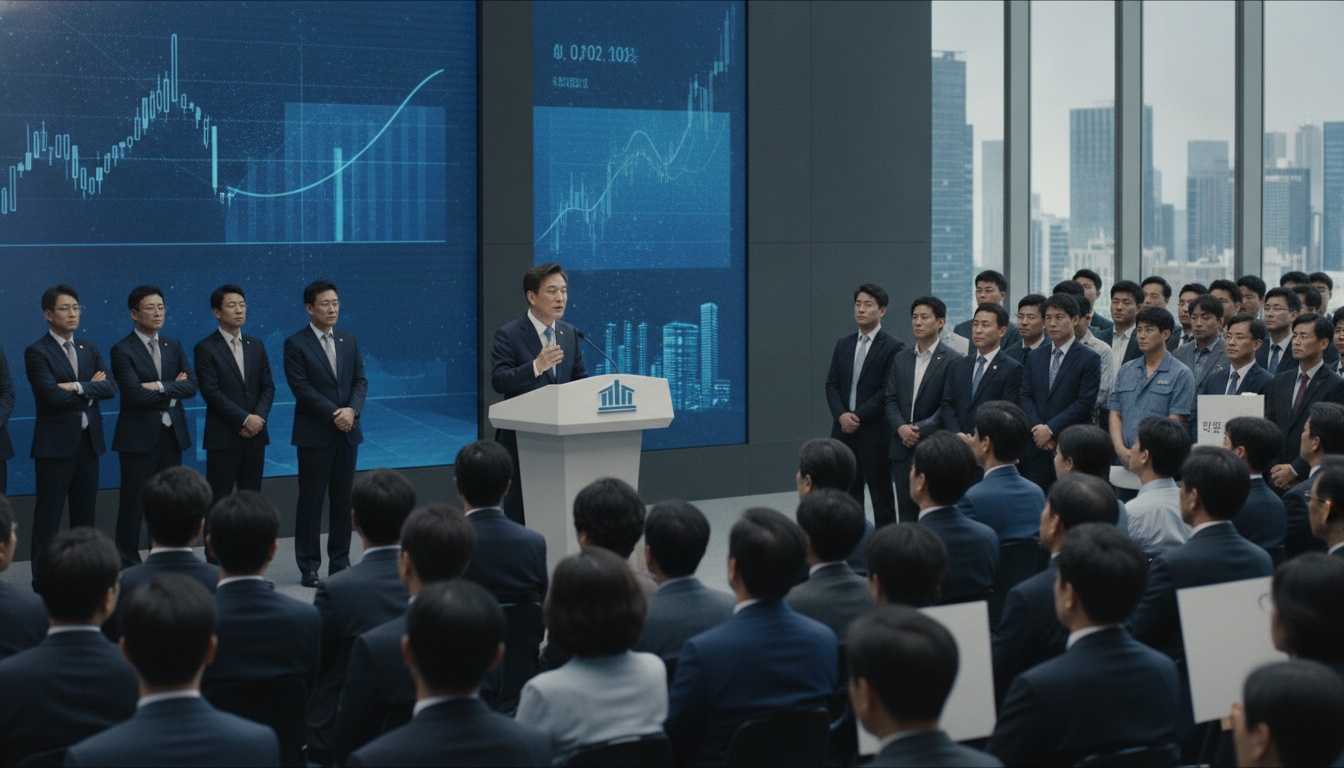
South Korea’s president, Lee Jae Myung, has inherited a broad and urgent mandate to reshape the nation’s economy for a new era while avoiding the heavy-handed tactics associated with past rapid-growth periods. Observers draw a clear historical contrast with Park Chung‑hee’s authoritarian development model of the 1960s and 1970s as Mr. Lee seeks to combine industrial renewal with democratic norms. The challenge is political as well as economic: achieving decisive reform without curbing press freedom, labor rights or civic opposition.
Park Chung‑hee’s economic blueprint and political costs
Park Chung‑hee presided over state-led industrialization that transformed South Korea from an agrarian economy into a manufacturing powerhouse. Rapid growth, export-led strategies and close coordination with large conglomerates became defining features of that era. At the same time, Park’s government restricted unions, independent media and political dissent, leaving a legacy that still shapes contemporary debates about means and ends in economic policy.
Historians and policymakers caution that the benefits of rapid development cannot be divorced from the democratic regressions that accompanied them. For Lee Jae Myung, the lesson is double-edged: the state can be an engine of structural change, but governance must remain within democratic checks and balances. That balance is now central to public discussion, as citizens weigh expectations for prosperity against protections for civic freedoms.
Economic pressures shaping Lee Jae Myung’s agenda
South Korea confronts a set of structural headwinds that complicate any transformation plan, including an ageing population, slowing productivity growth and high household debt. Global pressures — from supply chain realignments to geopolitical competition — further constrain policy space and raise the cost of missteps. These factors increase the urgency for targeted reforms in innovation, digitalization and green industries.
President Lee’s administration has signaled priorities that include industrial upgrading and social cushioning for those displaced by structural change. Yet translating broad objectives into concrete measures will require precise fiscal choices, regulatory clarity and coordination with private sector actors. Success will depend on fostering investment while protecting vulnerable groups during transition periods.
Policy tools under consideration and reforms proposed
Officials close to planning discussions reportedly favor a mix of incentives for high‑tech manufacturing, tax measures to stimulate green investment and expanded vocational training programs. Proposals to reform corporate governance and restrain unfair practices by dominant conglomerates aim to increase competition without destabilizing the private sector. On labor, policymakers are debating measures that combine stronger social safety nets with active labor market policies to ease reallocation.
Implementation challenges are substantial: laws, institutions and budgetary limits will shape what can be achieved in practice and how quickly. The administration faces pressure to present measurable early wins, such as new investment pledges or pilot programs, even as larger structural reforms require sustained effort. Clear regulatory roadmaps and transparent consultation processes are likely to affect both domestic acceptance and foreign investor confidence.
Political constraints and public sentiment in a polarized environment
Lee Jae Myung’s capacity to enact ambitious reforms will be shaped by the composition of the National Assembly and public opinion. Opposition parties and civic groups remain vigilant about any measures that could be seen as encroaching on civil liberties or favoring elite interests. Polls and street-level activism have, in recent years, demonstrated how quickly public momentum can shift in response to perceived overreach.
Maintaining legitimacy while pursuing organized change means the administration must invest in outreach and oversight mechanisms. Independent institutions, media scrutiny and parliamentary debate can act as both constraint and corrective, helping to refine policies and reduce the risk of authoritarian drift. For Lee, transparent engagement with stakeholders is not only democratic practice but a strategic necessity.
Regional and international stakes for South Korea’s transformation
South Korea’s economic trajectory has implications beyond its borders, affecting supply chains, regional security partnerships and investor sentiment in Northeast Asia. A strategy that emphasizes technological leadership, low‑carbon transition and resilient manufacturing would align Seoul with global priorities and strengthen ties with trade partners. Conversely, instability or perceptions of democratic backsliding could erode diplomatic and economic support.
Alliances and foreign investment will be important levers for deeper structural change, but they come with expectations about governance standards. Coordination with neighboring economies and continued integration into global markets are central to the administration’s ability to finance and sustain long‑term transformation efforts. International observers will watch closely for signals that reform is both effective and democratically accountable.
President Lee’s term will likely be judged on whether he can generate an era of renewed economic dynamism without repeating the repressive practices of South Korea’s industrial past. The task is to marry decisive state action with protections for rights and open debate, ensuring that growth and democracy advance together.

