
Southern Thailand attacks trigger security sweep after worst coordinated strikes in over a decade
Thailand tightens security after suspected insurgent bomb and arson attacks across southern provinces; about 50 sites hit and peace talks stall on Aug. 22-23.
Security tightened across southern provinces
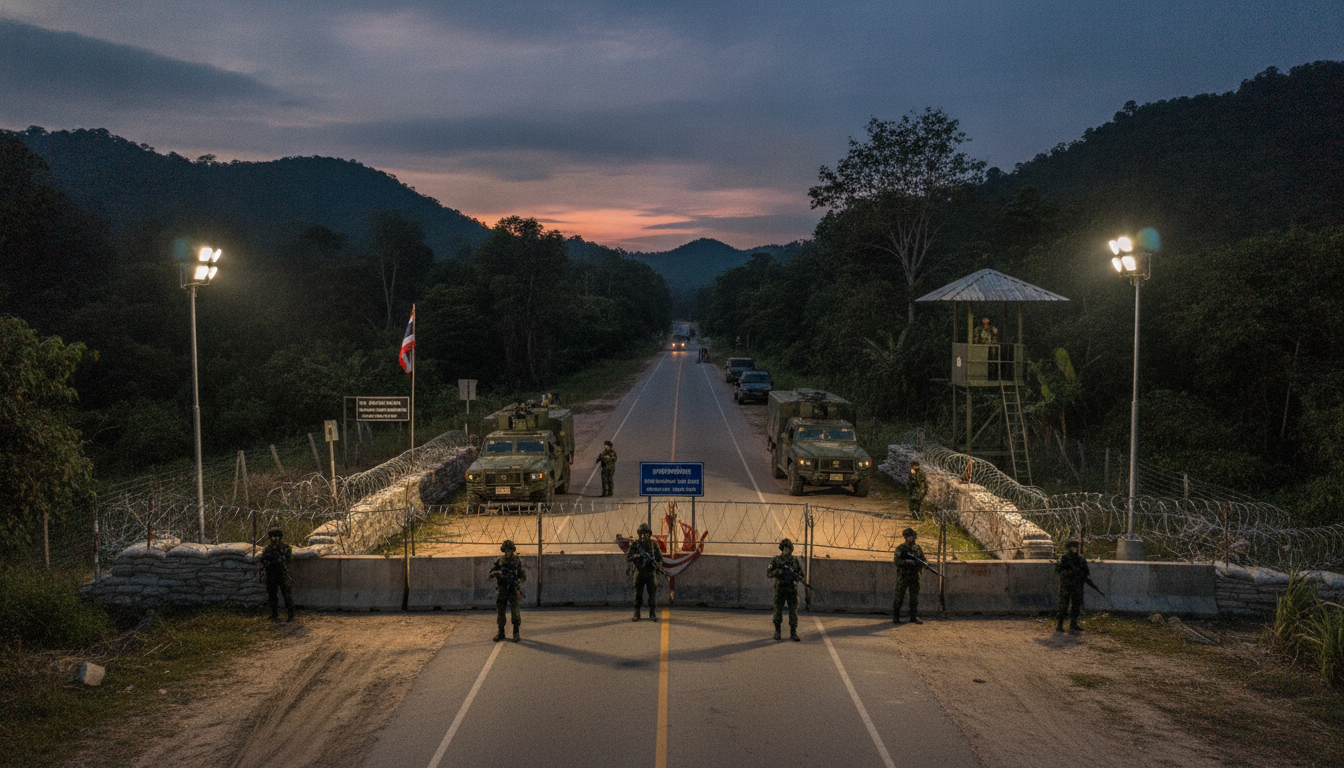
Thai authorities announced a major security operation Thursday following a wave of suspected insurgent violence in the country’s predominantly Malay-Muslim southern border provinces. The southern Thailand attacks began on Saturday, Aug. 22, and spread to roughly 50 locations, officials said, prompting checkpoints, curfews and increased troop deployments.
Police and military units focused initial efforts on Narathiwat, Pattani and Yala provinces, where local governments ordered heightened surveillance and movement restrictions. Security sources described the response as the largest mobilization in the region in more than a decade, reflecting concern about the scale and coordination of the incidents.
Scope and methods of the attacks
Preliminary reports indicate the southern Thailand attacks involved a mix of bombings, arson and small-arms assaults aimed at administrative offices, infrastructure and security outposts. Multiple municipal buildings and transport nodes experienced damage, and authorities found incendiary devices and explosive remnants at several scenes during morning sweeps.
Investigators said the pattern of strikes suggested centralized planning, with teams hitting targets almost simultaneously to overwhelm local responders. Forensic teams and bomb-disposal units have been dispatched to secure sites and gather evidence to identify the networks behind the operation.
Authorities mobilize military and police units
The government has ordered reinforcements from Bangkok and neighboring provinces to restore order and protect civilians, officials announced. Commanders of the Southern Border Provinces Administration Centre said combined army and police patrols would maintain a visible presence in towns and along arterial roads.
Home Ministry and defense officials held coordinated briefings to oversee the response, and a national security committee convened to assess intelligence. Authorities also temporarily suspended non-essential public events and urged residents to report suspicious activity while investigations continue.
Casualties, damage and ongoing assessments
Local hospitals reported receiving patients with blast and burn injuries, though official tallies of casualties remained provisional as medical teams continued triage. Fire crews worked through the night to extinguish blazes at damaged municipal buildings and community facilities, while engineers inspected roads and utilities for secondary hazards.
Officials cautioned that casualty and damage figures could rise as units complete access to remote areas and gather full situational reports. Emergency relief teams are staging supplies and temporary shelters in district centers to help families displaced by the violence.
Effect on stalled peace negotiations
Analysts warned that the southern Thailand attacks risk undermining fragile efforts to resume dialogue between Bangkok and insurgent representatives. Negotiations, which a number of local and international actors have long pushed to revive, were already described by officials as stalled before the weekend violence.
Government spokespeople condemned the attacks as attempts to derail talks and signaled that any future negotiations would be conditioned on a cessation of hostilities. Observers said the timing and intensity of the strikes could harden positions on both sides and complicate mediation efforts by regional partners.
Local responses and humanitarian concerns
Community leaders in affected districts called for calm and pleaded for clearer information and protection for civilians, especially in areas where access has been limited by security cordons. Civil-society groups mobilized to coordinate donations and provide immediate assistance to families who lost homes or livelihoods in the attacks.
Humanitarian coordinators emphasized the need for unobstructed access for aid workers and medical teams, noting that prolonged insecurity risks exacerbating displacement and disrupting essential services. Schools and markets in some towns remained closed as residents weighed safety concerns against economic pressures.
Regional and diplomatic implications
The spike in violence drew attention from neighboring countries and regional organizations that have an interest in southern stability, with diplomats urging restraint while offering support for investigations. Observers said renewed instability in Thailand’s deep south could have broader implications for cross-border trade and security cooperation in the Malay Peninsula.
Foreign missions cautioned their nationals to avoid non-essential travel to the affected provinces and advised close coordination with Thai authorities. Regional security forums are expected to discuss the developments and explore ways to assist de-escalation and recovery.
The southern Thailand attacks have thrust the long-running conflict back into the national spotlight and triggered a multi-agency response aimed at stabilizing the region, protecting civilians and preserving the prospects for future dialogue.

