
South Korea’s battery giants race to scale cheaper LFP cells as EU seeks to reduce reliance on Chinese suppliers
South Korean battery makers LG Energy Solution, SK On and Samsung SDI are moving toward lithium‑iron‑phosphate (LFP) production to support the European Union’s drive to diversify electric vehicles supply chains and lower costs. Experts warn time is of the essence as China continues to dominate Europe’s EV battery market.
The shift by major South Korean suppliers comes amid growing concern in Brussels over concentration of battery manufacturing in China and rising demand from European automakers. LFP chemistry, which is cheaper and carries safety advantages, is seen as a practical route to broaden supply and cut running costs for electric vehicles across the bloc.
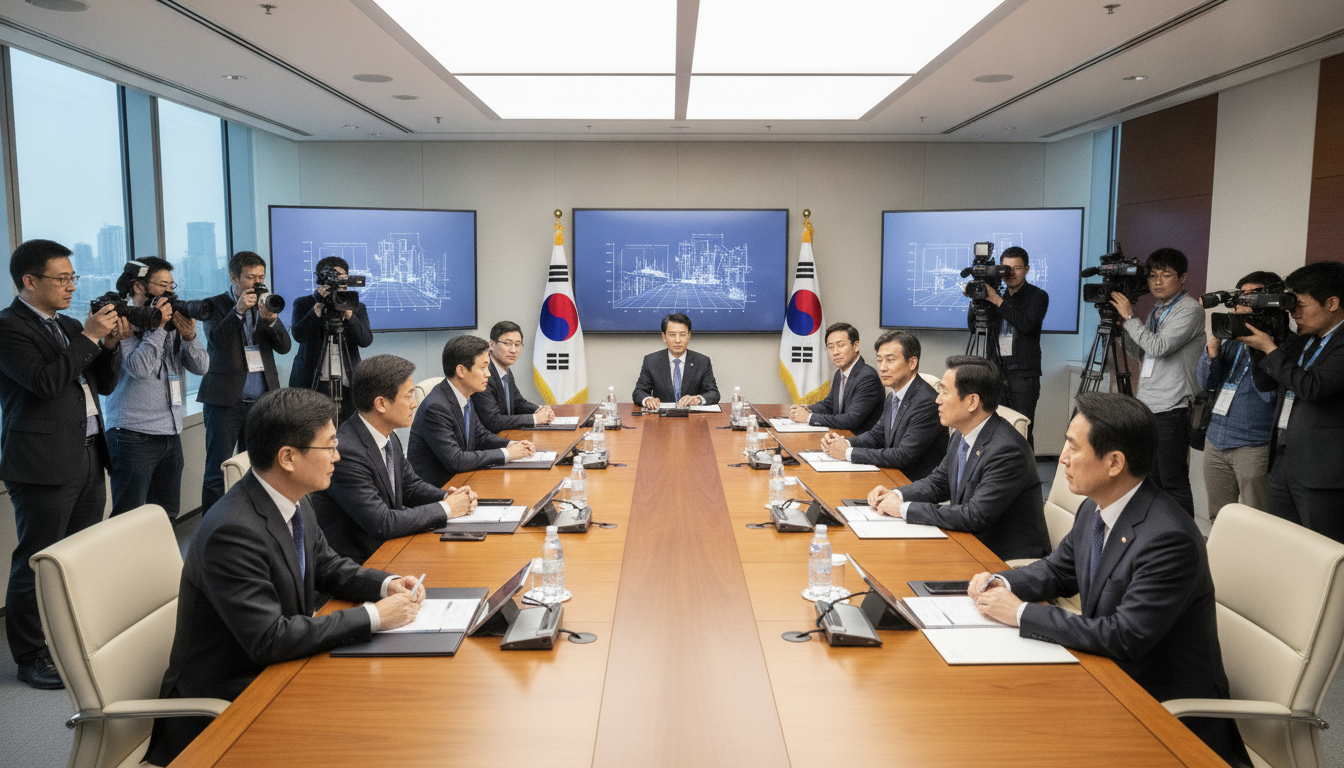
EU seeks closer industrial ties with South Korean batterymakers
South Korean firms are engaging more directly with EU policymakers and carmakers to accelerate local LFP supply, industry sources say. The push reflects a broader European strategy to diversify away from a small number of dominant Chinese producers that currently account for the lion’s share of battery shipments to the continent.
European officials have signalled openness to partnerships that can rapidly expand capacity without waiting for a full pivot of existing gigafactory investments. That approach aims to combine South Korea’s engineering and production expertise with EU incentives for local manufacturing to shorten lead times for automakers.
Why LFP chemistry is gaining traction now
LFP — lithium‑iron‑phosphate — offers lower material costs and improved thermal stability compared with nickel‑rich alternatives, making it attractive for mass‑market electric vehicles. While LFP typically has lower energy density, advances in cell design and battery management systems have narrowed the performance gap for many common use cases.
Manufacturers also view LFP as a way to reduce exposure to volatile nickel and cobalt markets, while meeting safety and lifecycle expectations for mid‑range and fleet vehicles. For automakers prioritizing affordability and total cost of ownership, LFP can be a compelling option at scale.
Supply chain and geopolitical concerns in focus
The European Commission and member states have repeatedly cited strategic risks from concentrated reliance on Chinese battery producers and raw material suppliers. South Korean vendors are positioning themselves as an alternative that can be scaled faster than building entirely new supply networks from scratch within Europe.
However, scaling LFP production outside China requires securing upstream materials, expanding cell and precursor capacity, and coordinating with European pack and vehicle manufacturers. Analysts warn bottlenecks in precursor chemicals and electrode processing could slow rapid roll‑outs unless investment and policy support move in tandem.
Industry response and capacity ramp‑up plans
LG Energy Solution, SK On and Samsung SDI have publicly flagged investments in product diversification and capacity expansion in recent quarters, with a clearer focus now on LFP variants. Automakers sourcing batteries for European factories are increasingly open to LFP for entry‑level and high‑volume models, which helps justify faster production ramps.
Manufacturers are also exploring joint ventures and licensing models with European partners to localize portions of the value chain, from cathode and anode production to cell assembly and recycling. Such collaborations could reduce transport costs, shorten supply links and make regional supply more resilient to geopolitical shocks.
Implications for automakers, consumers and climate goals
A faster transition to more LFP supply in Europe could lower vehicle prices and expand EV adoption by making lower‑cost models more viable. For fleets and city cars in particular, the economics of LFP are already compelling and could prompt automakers to alter product lineups to capture cost‑sensitive buyers.
Yet lower energy density means some performance trade‑offs for long‑range segments, so premium models are likely to continue using high‑energy chemistries for now. Policymakers and industry leaders must balance affordability, consumer expectations and emissions goals as chemistry choices evolve.
Timing and what comes next
Experts warned on August 31, 2026 that action is needed now if Europe wants South Korean manufacturers to materially diversify the market before the end of this decade. Rapid investment approvals, predictable incentives and coordinated procurement by major automakers would shorten the timeline for meaningful LFP capacity growth in or near Europe.
Both sides face practical decisions about where to site plants, how to secure precursor supplies and how to integrate recycling from the outset. The coming 12 to 24 months will be crucial in determining whether LFP becomes a near‑term bridge to broader supply diversification or remains a limited niche for specific segments.
Market participants say progress will be measured in new gigafactory announcements, joint ventures and supply contracts signed this year and next. The scale of those commitments will determine whether Europe can realistically reduce its exposure to a small group of suppliers and create a more balanced global battery industry.
If policymakers, carmakers and batterymakers can align incentives and timelines, greater LFP production from South Korean firms could deliver cheaper, safer electric vehicles across Europe while giving Brussels more leverage over critical supply chains. The outcome will shape competition, consumer costs and industrial strategy for the rest of the decade.

