
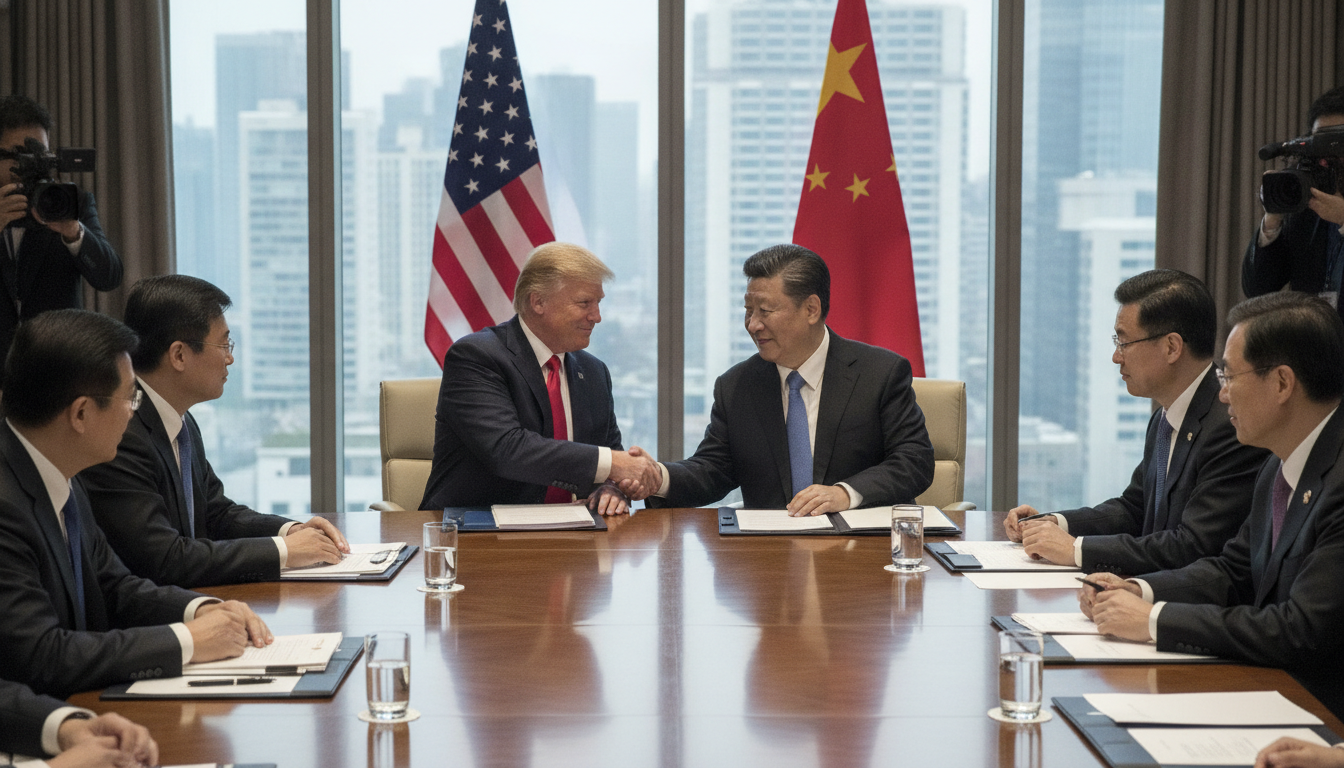
Trump-Xi Summit Seeks Tariff Truce as Trade, Iran and Rare-Earth Tensions Persist
Ahead of the Trump-Xi Summit, Washington and Beijing weigh lower tariffs on "nonsensitive" goods to extend a trade truce, while disputes over Iran and rare earths remain unresolved. (September 1, 2026)
The United States and China are discussing a targeted rollback of tariffs on what officials and sources describe as "nonsensitive" products ahead of the Trump-Xi Summit scheduled for September 1, 2026. Sources briefed on preliminary talks said negotiators have explored reducing duties on select manufactured and consumer goods, though the two sides have not yet reached agreement on the scope of any cuts. Diplomats and trade officials expressed guarded optimism that a limited tariff easing could be part of an effort to extend the fragile truce between the two economic powers.
Leaders Prepare for Bilateral Summit in Washington
Preparations for the Trump-Xi Summit have accelerated at working levels in both capitals, with teams exchanging lists of potential tariff adjustments and guardrails for sensitive technology sectors. Officials emphasized that any agreement would be narrow, aiming to remove levies that are unlikely to affect national security or strategic domestic industries. The diplomatic push reflects a broader interest in stabilizing bilateral economic relations without conceding on core strategic disagreements.
Tariff Talks Center on "Nonsensitive" Goods
Negotiators have repeatedly used the term "nonsensitive" to describe categories that could see lower tariffs, including apparel, household items and certain intermediate goods used in supply chains. Participants said the intention is to reduce costs for manufacturers and exporters while preserving restrictions on semiconductors, telecommunications equipment and other technologies deemed critical. Industry groups have lobbied for such carve-outs, arguing that lower duties would relieve pressure on global supply chains and reduce consumer prices.
Persistent Friction Over Iran and Strategic Materials
Despite movement on tariffs, major points of contention persist, notably policies toward Iran and controls on rare-earth minerals and related processing capacity. U.S. officials have pressed China for firmer cooperation on sanctions enforcement and limiting technology transfers that might aid Iran’s military or nuclear programs. At the same time, Beijing has warned against measures it views as unilateral attempts to curtail China’s role in critical-material supply chains, an issue that has become tied to broader industrial policy debates.
Working-Level Talks Show Progress but Not Consensus
People familiar with the negotiations said working-level discussions have made tactical progress while leaving strategic gaps unresolved, particularly in defining what qualifies as "nonsensitive." U.S. and Chinese teams are reportedly compiling joint lists and testing the economic impact of proposed tariff reductions, but legal and political reviews remain ongoing. The complexity of reclassifying goods and the domestic political sensitivity on both sides mean any announcement is likely to be incremental rather than sweeping.
Business and Market Reactions to Possible Easing
Markets and exporters have responded cautiously to reports of potential tariff relief, with manufacturers in coastal China and U.S. importers signaling conditional support for predictable, rules-based changes. Apparel and consumer-goods firms have highlighted the direct benefits of lower tariffs, pointing to higher margins and stabilized inventory planning. Financial analysts noted that while targeted reductions could calm short-term market anxieties, investors will watch for commitments on enforcement and dispute-resolution mechanisms.
Diplomatic Stakes and the Path to an Agreement
Senior diplomats view the summit as an opportunity to lock in a temporary détente that could create space for deeper talks on investment, technology and security matters. Both capitals face domestic constituencies that are skeptical of concessions, so negotiators are balancing economic incentives with political constraints. Observers say the most likely outcome is a limited package of tariff adjustments accompanied by frameworks for future working groups rather than a comprehensive détente.
The Trump-Xi Summit will be judged not only on any tariff language but on whether leaders can establish durable processes for managing disputes over Iran, rare earths and emerging technologies. A narrowly tailored tariff easing could provide short-term relief for businesses, but longer-term stability will depend on institutional mechanisms and reciprocal transparency between Washington and Beijing.

