
Japan Announces Reserve Rice Buyback of 210,000 Tons to Stabilize Prices
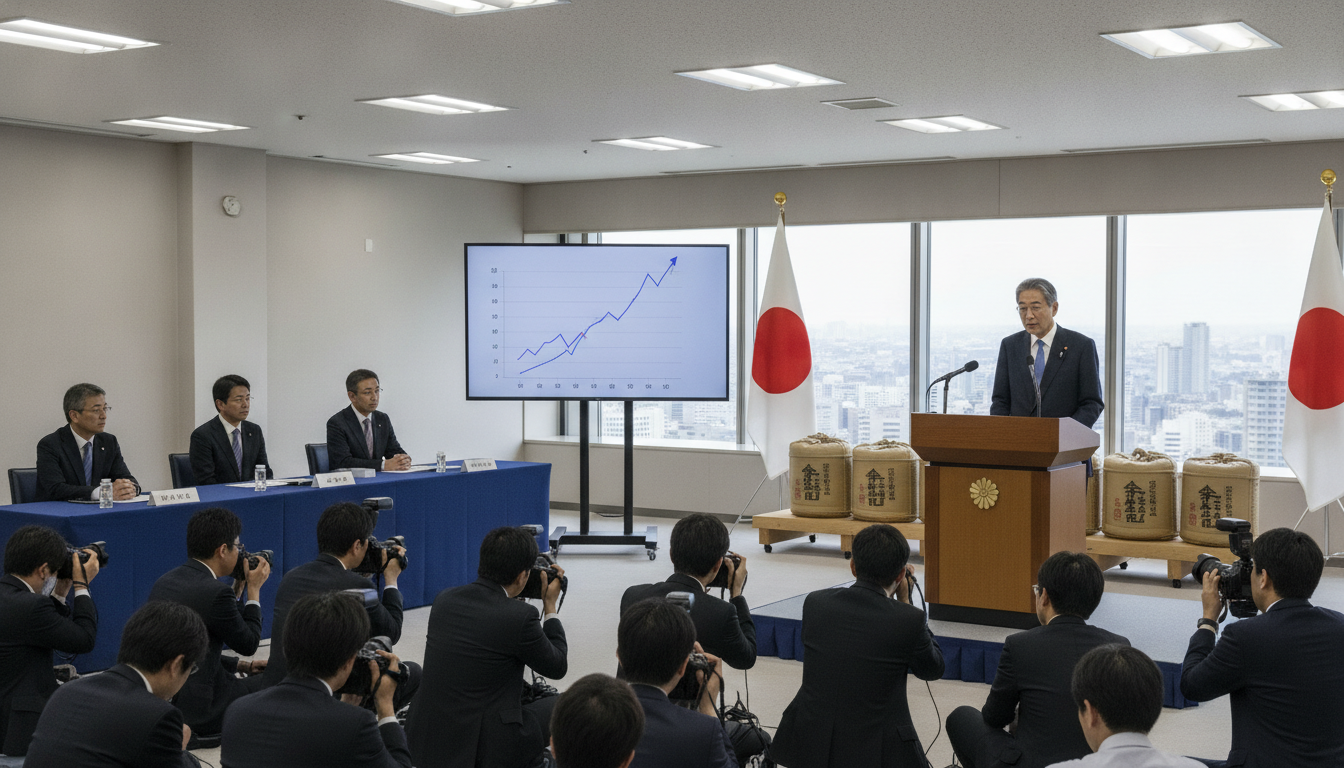
Japan to buy back 210,000 tons of reserve rice to stabilize prices and secure supply, Agriculture Minister Norikazu Suzuki announced on Sept. 1. This decision.
Japan’s government announced on Sept. 1 that it will proceed with a reserve rice buyback of 210,000 tons from national stocks released during last year’s market turmoil, aiming to shore up farm incomes and prevent a further slide in rice prices. Agriculture Minister Norikazu Suzuki said the move follows this year’s harvest assessments showing generally favorable yields, and that authorities confirmed overall supply will remain sufficient even after the repurchase.
Cabinet announcement and minister’s statement
The announcement was made by Minister Suzuki at a post-Cabinet press briefing on Sept. 1, when he framed the buyback as a measured response to ongoing price weakness. He referenced the release of 590,000 tons of reserve rice during the so-called “Reiwa rice unrest” and said the government judged a partial repurchase was warranted to stabilize market conditions. Suzuki added that the decision balances the need to support producers while ensuring household and commercial supply remains secure.
Scope of reserves and previous releases
The government originally released a total of 590,000 tons from national reserves amid last year’s supply concerns and market fluctuations. Under the buyback plan, 210,000 tons of those released stocks will be purchased back into public holdings. Officials emphasized that the repurchase targets specific lots sold under last year’s auction arrangements rather than creating a general market intervention.
Reasoning: price support and supply assurance
Officials said the primary aim of the reserve rice buyback is to prevent further downward pressure on farmgate prices that could harm producers’ incomes. At the same time, the government pointed to assessments published on Aug. 31 indicating that this year’s 2025 crop is in many regions slightly above average, which gave policymakers confidence that overall food supply would not be jeopardized. The dual objective is to stabilize the market while keeping national food security objectives intact.
Procurement process and timeline
The ministry plans to seek advice from the Food, Agriculture and Rural Policy Council’s food division at a meeting scheduled for Sept. 2, before moving forward with formal procedures. Officials expect procurement paperwork to begin within September, with contracts to be negotiated directly with entities such as the National Federation of Agricultural Cooperative Associations (JA ZEN-NOH) that sold stocks in last year’s auctions. The buyback will apply to rice stemming from the 2025 harvest that entered the market through those auction channels.
Implications for farmers and the rice market
Analysts and producer groups are likely to view the buyback as a temporary relief measure to support prices after a period of rapid market adjustment. By removing a portion of previously released stocks from the commercial market, the government intends to reduce downward price pressure and provide breathing room for farmers facing slim margins. Market observers caution, however, that longer-term price stability will depend on demand trends, export prospects, and ongoing monitoring of this year’s harvest quality.
Budgetary context and policy signals
The government indicated the buyback will be reflected in the initial budget proposals for fiscal 2026, signaling a willingness to allocate public funds to manage agricultural market shocks. Officials portrayed the measure as a targeted, fiscally manageable intervention rather than broad market support, underscoring its temporary and contingent nature. The step also conveys a policy signal that authorities remain ready to use stock management tools to protect food producers when market developments threaten sector stability.
The buyback decision will be followed closely by industry participants, local governments and consumer groups as implementation details are finalized in the coming weeks.

