
Bank of Japan Likely to Hold Rates at 0.75% as Middle East Energy Shock Raises Inflation Risks
Bank of Japan likely to keep policy rate at 0.75% at its April 28 meeting as a Middle East energy shock lifts inflation risks and delays immediate hikes.
The Bank of Japan is widely expected to leave its policy rate at 0.75% at the April 28 monetary policy meeting as officials take time to evaluate how disruptions to Middle East oil supplies are feeding into Japan’s inflation outlook. Policymakers face a balancing act between recent upward pressure on consumer prices due to crude oil and the still-fragile nature of domestic demand. The decision to pause would reflect caution while the central bank gauges whether higher energy costs translate into a broader, sustained rise in inflation.
Energy shock tightens near-term inflation outlook
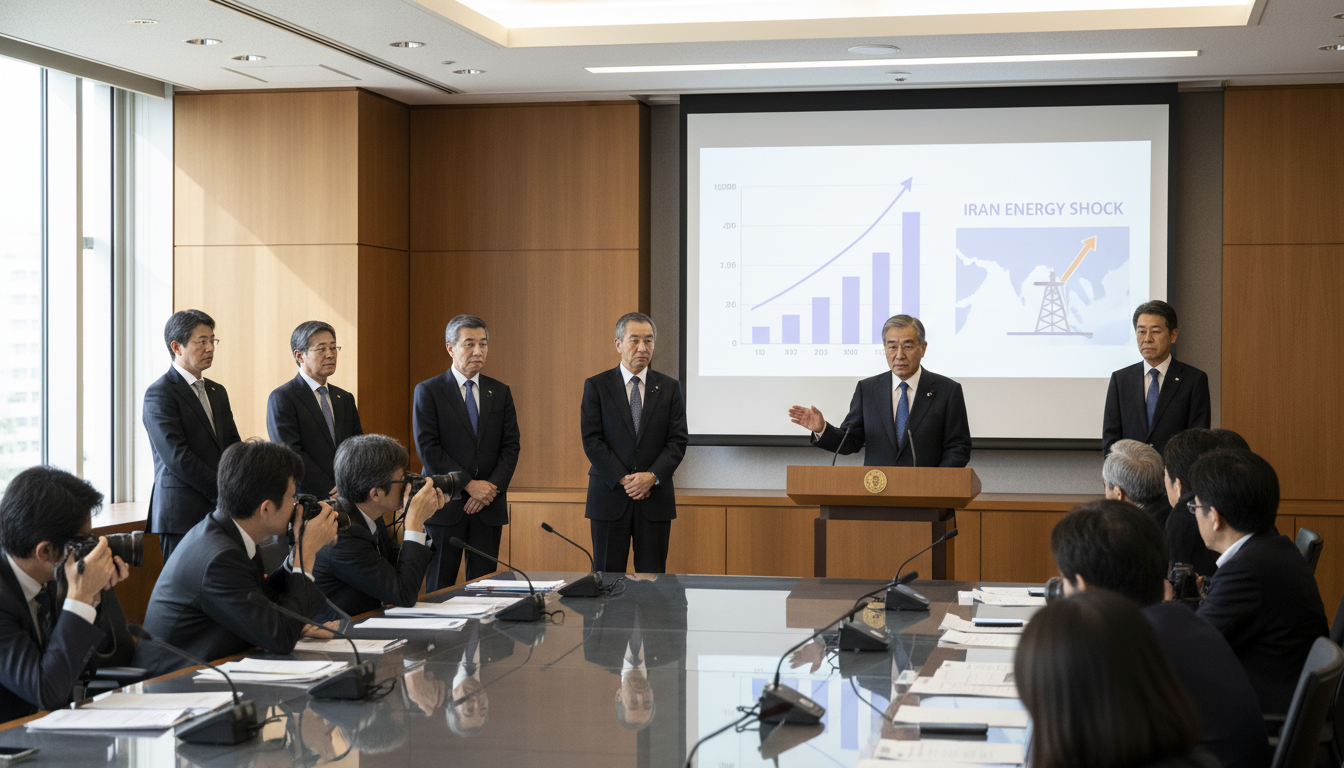
Crude oil price spikes following heightened tensions involving Iran have sharpened the near-term inflation picture, increasing the risk that energy costs will push headline inflation higher. Higher fuel and transport prices tend to show up quickly in consumer price indices, but the Bank of Japan must assess whether these effects will persist and be passed on more broadly through wages and service prices. Officials have signaled a need for more data on pass-through before altering the policy stance, weighing temporary shocks against a durable return to the bank’s inflation target.
April 28 meeting seen as hold to buy time
Traders and economists expect the central bank to opt for a hold at the upcoming meeting to allow further monitoring of economic indicators and market moves. A decision to keep the rate unchanged would give the Bank of Japan room to observe how energy-driven price pressures affect household spending and corporate margins. Governor Kazuo Ueda and his board are likely to emphasize data dependence, stressing that any adjustment to the policy path will hinge on clearer signs of sustained inflationary momentum.
Monetary policy considerations and risk assessment
Bank officials are balancing the risk that acting too quickly could choke off a fragile recovery against the risk that inaction may allow inflation expectations to drift upward. The policy calculus includes the speed and extent of wage growth, corporate pricing behavior, and potential second-round effects stemming from energy costs. With global central banks also navigating spillovers from geopolitics and commodity shocks, the BOJ’s deliberations are being conducted against a backdrop of heightened market sensitivity.
Markets price in caution; yields and exchange rate monitored
Financial markets have adjusted to the prospect of a near-term pause, with Japanese government bond yields and the yen reflecting investor reassessment of the BOJ’s timing for further tightening. A sustained rise in global bond yields or another surge in oil prices could force a reassessment of market expectations and prompt volatility in fixed income and currency markets. Market participants will closely watch post-meeting guidance for clues about the bank’s tolerance for higher inflation and the likely pace of future rate moves.
Domestic economy and household impact under scrutiny
For households, higher crude oil and fuel prices can quickly erode real incomes and weigh on consumption, even if headline inflation appears transitory. Corporates face a dual challenge of managing rising input costs while gauging demand resilience, which in turn affects wage negotiations and investment plans. The BOJ will be particularly attentive to labor market trends and pay agreements that would indicate a more entrenched inflationary shift requiring a policy response.
Policy outlook hinges on geopolitical and data developments
Looking beyond April 28, the direction of Japanese monetary policy will depend on two main variables: the trajectory of global energy prices and the evolution of domestic price dynamics. Should oil prices retreat and wage growth remain modest, the central bank could maintain a patient stance. Conversely, persistent energy-driven inflation combined with stronger pay gains could narrow the window for additional pauses and push the BOJ toward a renewed tightening cycle.
The coming weeks will be critical as policymakers sift through fresh data on prices, wages and growth while monitoring the global geopolitical environment that is influencing energy markets. Markets, businesses and households alike will take cues from the Bank of Japan’s language at the meeting, looking for signals about how long the pause may last and under what conditions the bank would resume raising the policy rate.

