
Japan Sells Mogami-class Frigates to Australia as Template for Warship Exports
Japan’s sale of Mogami-class frigates to Australia showcases a low-crew warship design and fuels Tokyo’s push to expand defense exports amid security concerns.
Japan Sells Mogami-class Frigates to Australia
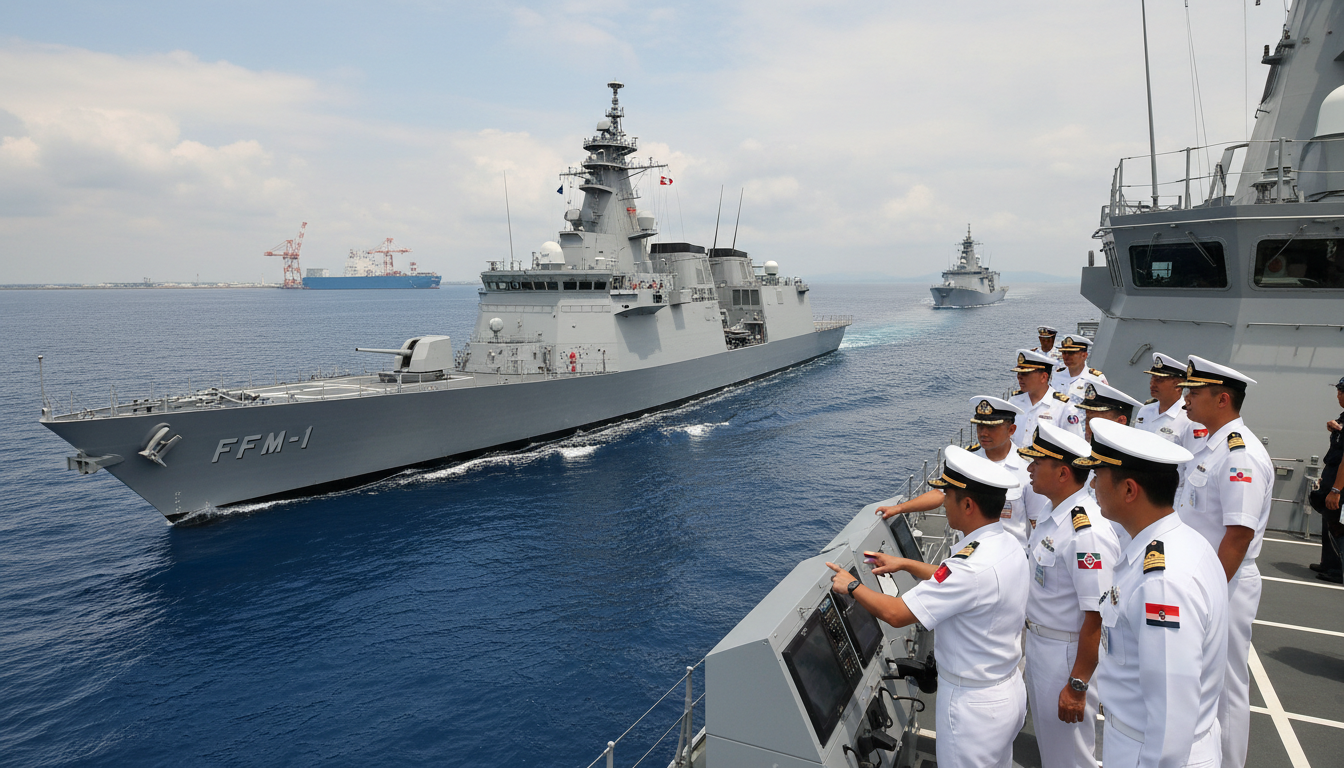
The sale of Mogami-class frigates marks a notable development in Tokyo’s emerging role as an arms exporter. Japanese officials and industry representatives portray the deal as a proof of concept for a modern, exportable surface combatant suited to nations with long coastlines and limited manpower. The frigate Kumano, part of the Mogami family, was publicly visible during a recent port call in Australia and has been highlighted as representative of the class.
The transaction underscores a shift in Japanese policy and industrial practice toward promoting domestically built warships overseas. Observers say the deal demonstrates that Japanese shipbuilders can deliver vessels configured for lower operating crews while integrating advanced sensors and weapons packages tailored to buyer needs.
Design Prioritizes Reduced Crew and Operational Efficiency
The Mogami-class program was developed with a pronounced emphasis on automation and crew reduction, aiming to ease personnel pressures for navies that face recruitment constraints. Systems integration, automated damage control, and streamlined operations are central to the ship’s design philosophy, according to defense statements surrounding the class. That combination is intended to preserve combat capability while cutting routine manning demands.
Such a profile appeals directly to countries that maintain extensive maritime zones but struggle to sustain large standing crews. The Mogami-class design therefore presents a practical balance between capability, cost, and human resource realities, offering a template for repeatable exports and regional naval upgrades.
Industrial Strategy Behind Warship Exports
The sale reflects a broader industrial strategy by Japan to leverage its advanced shipbuilding base for overseas defense contracts. Japanese shipyards have been repositioning to offer not only vessels but integrated supply chains, training packages, and lifecycle support that accompany major naval sales. Establishing an exportable platform like the Mogami class simplifies follow-on contracts and creates opportunities for local maintenance and assembly work in partner countries.
Government support for such exports includes export facilitation, standardized export proposals, and coordination between the defense ministry and private firms. Industry sources say the ability to field a proven design that requires fewer sailors strengthens the commercial case and reduces the logistical burden on buyers during initial service entry.
Strategic Implications for Indo-Pacific Security
The introduction of Japanese-built Mogami-class frigates into allied and partner navies has consequences for regional maritime balance and interoperability. The vessels can augment patrol presence, provide coastal defence, and contribute to multilateral exercises alongside Australian and other partner platforms. Defense analysts note that shared platforms can enhance cooperative logistics and tactical familiarity in coalition operations.
At the same time, the spread of capable surface combatants across more navies can accelerate modernization efforts in neighboring states. Tokyo and Canberra have emphasized that the transaction is aimed at improving collective maritime security and readiness, rather than altering the fundamental balance of power.
Domestic Reaction and Shipbuilding Outlook
Within Japan, the Mogami-class export has stimulated debate over industrial priorities and the scope of defense cooperation. Proponents highlight economic benefits for regional yards, the potential for sustained order books, and enhanced strategic ties with customers. Critics urge careful oversight of transfer controls and caution on how exported systems relate to Japan’s own defense posture.
Shipbuilders and the Maritime Self-Defense Force appear to view the Mogami class as a replicable product line, one that can be customized to specific customer requirements without sacrificing the core advantages of automation and lower crewing. Continued interest from foreign navies would likely prompt incremental production adjustments and expanded training and maintenance offerings.
Procurement and Training Arrangements for Buyers
Beyond the ships themselves, the export package emphasizes training, spares provisioning, and initial crew familiarization to ensure operational readiness. Purchase agreements are typically accompanied by shore-based training modules and simulator time to shorten the learning curve for new operators. For purchasers with limited manpower, these services are a key selling point that supports rapid integration into active fleets.
Long-term sustainment has also become a focal point in procurement discussions, with buyers seeking assurances on parts availability and lifecycle support. Japanese suppliers are positioning themselves to offer multi-year maintenance plans, which aim to reduce downtime and preserve operational availability for partner navies.
Japan’s Mogami-class frigates have now moved from domestic program to international case study, illustrating how a modern, low-crew warship can meet both operational and budgetary constraints while supporting Tokyo’s ambition to become a more active defense exporter.

