
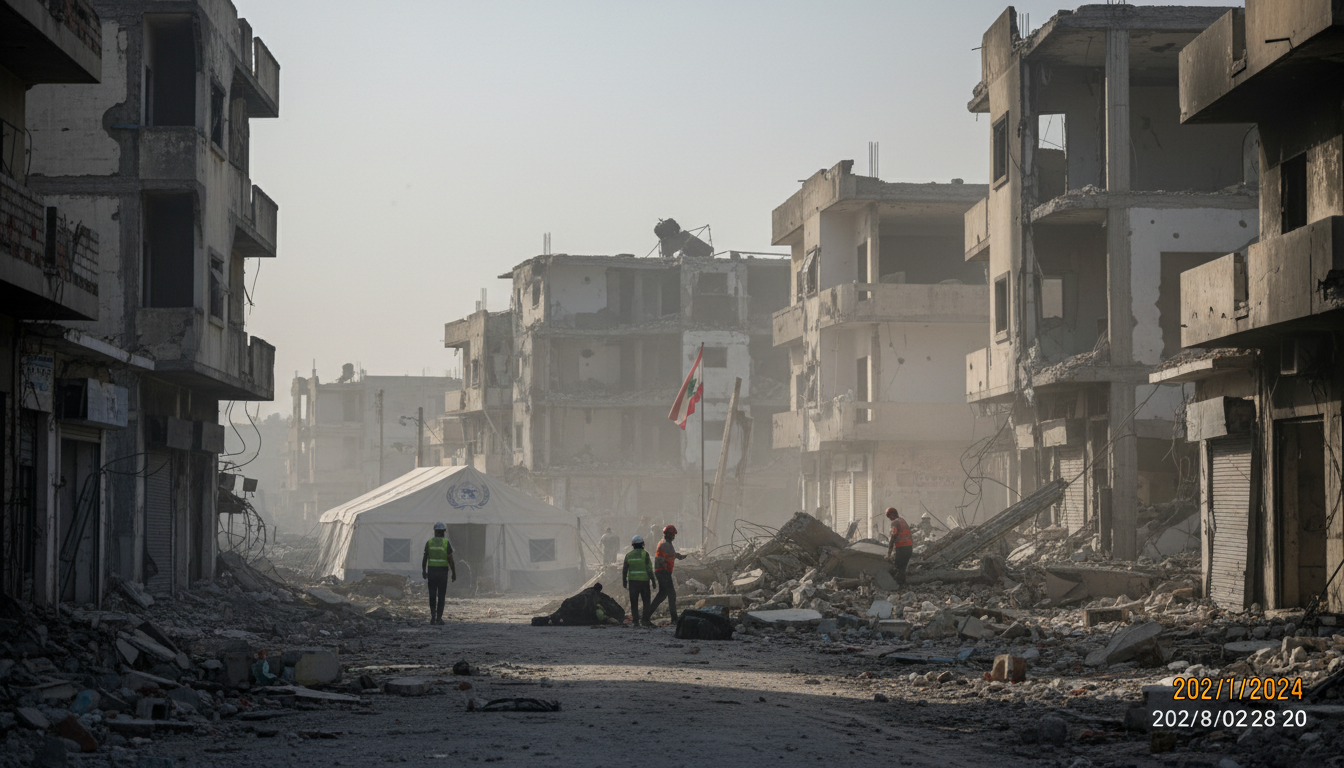
Israeli attacks on Lebanon raise death toll to 2,496 as southern strikes continue despite ceasefire extension
Lebanon’s health ministry: 2,496 killed and 7,725 wounded as Israeli attacks on Lebanon continue; strikes hit south despite a three-week ceasefire extension.
The Lebanese health ministry reported that the death toll from Israeli attacks on Lebanon since March 2 has risen to 2,496, with at least 7,725 people wounded. The figures underscore the heavy civilian cost of the campaign, which has seen renewed strikes in southern Lebanon even after a temporary halt to major cross-border ground operations. These developments come amid a fragile three-week ceasefire extension that had aimed to reduce the intensity of hostilities and increase humanitarian access.
Lebanon’s health ministry reports casualties
The official tally, released by the Lebanese health ministry, lists 2,496 fatalities and a minimum of 7,725 wounded across multiple governorates. Health authorities say the numbers represent confirmed hospital reports and field assessments, with the toll continuing to rise as access improves in some hard-hit areas. Hospitals in the south and Beirut suburbs have been reporting surges in admissions and difficulty coping with the scale of injuries.
Strikes persist after ceasefire extension
Despite a three-week ceasefire extension announced earlier in the week, Israeli strikes hit southern Lebanon, killing civilians and causing further damage. Local sources reported that four people were killed in the south in the most recent round of strikes, highlighting that the extension has not halted all military activity along the border. Both the continuation of strikes and intermittent rocket exchanges have sustained high levels of insecurity for communities near frontlines.
Hospitals and medical services under strain
Medical facilities are reporting shortages of supplies, staff fatigue, and overwhelmed emergency departments as casualties mount. Field hospitals and clinics outside major cities are relying on transfers to Beirut for complex trauma cases, placing additional pressure on transportation and referral systems. Humanitarian agencies have warned that prolonged conflict risks degrading routine services, including maternal and child health, immunizations, and chronic disease care.
Displacement and infrastructure damage widely reported
Thousands of residents have fled villages and towns near the border, with many seeking shelter in larger towns, makeshift camps, or with relatives in safer districts. Critical infrastructure, including roads, power lines, and water networks, has been damaged in multiple strikes, complicating relief deliveries. Aid workers note that the pattern of damage is fragmenting communities and increasing the need for longer-term shelter and reconstruction support.
International concern and appeals for humanitarian access
International organizations and foreign governments have expressed concern over civilian casualties and called for expanded humanitarian corridors and unimpeded access for aid deliveries. The United Nations has urged both sides to protect civilians and allow humanitarian teams to reach affected populations, while regional actors have emphasized de-escalation to prevent a wider conflagration. Diplomatic channels remain active as states and international bodies seek to broker improved protections and delivery routes for urgently needed assistance.
Military posture and risks to regional stability
Analysts say the persistence of air and artillery strikes, even amid a ceasefire extension, reflects entrenched military objectives and deep mutual mistrust. Commanders on both sides have kept forces on alert, and the risk of miscalculation remains elevated in a densely populated border area. Observers warn that sporadic violence could escalate if incidents are not contained and if diplomatic efforts fail to shore up enforcement mechanisms around the ceasefire.
The human cost of the campaign is evident in the rising death toll and thousands more with life-altering injuries, according to health ministry figures. As communities grapple with loss, displacement, and damage to essential services, humanitarian organizations have called for predictable access and increased support to stabilize health, shelter, and logistics networks. Continued reporting and verification will be required to monitor the evolving situation and the effectiveness of ceasefire arrangements.

