
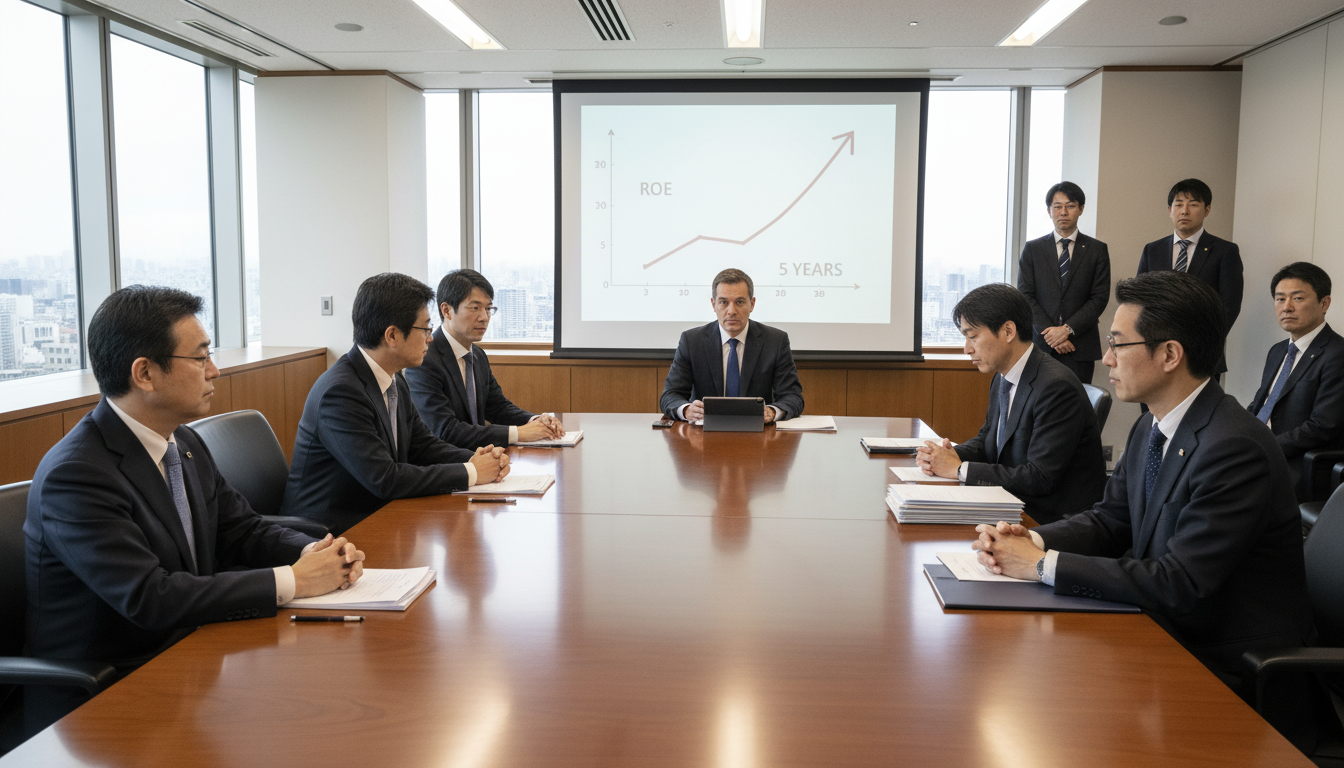
Elliott Urges Daikin to Double ROE in Five Years as Shares Tick Up
Daikin shares rose after activist investor Elliott unveiled a plan arguing the world’s largest air‑conditioner maker can double its return on equity within five years, citing margin gains and capital reallocation.
Daikin’s stock firmed in Tokyo trading as Elliott published recommendations aimed at lifting shareholder returns at the global HVAC leader. The activist investor framed the proposal around a five‑year target to materially raise return on equity, saying operational improvements and changes to capital allocation could unlock value. The move has prompted renewed attention on Daikin’s margins, investment strategy and governance as management and investors weigh the recommendations.
Elliott Proposes an Ambitious ROE Goal
Elliott’s plan sets a clear numeric objective: double Daikin’s ROE over five years, according to the summary shared with investors and market participants. The activist cited unnamed former Daikin executives who contend the company still has scope to improve profit margins and operational efficiency. Elliott framed its recommendations as a mix of near‑term financial actions and longer‑term operational initiatives designed to deliver higher returns.
Market Reaction and Investor Sentiment
Following publication of the proposal, Daikin shares strengthened modestly, reflecting investor interest in potential upside from improved capital returns. Market commentators and some institutional investors signalled they would closely scrutinise Daikin’s response and the credibility of the projected gains. Traders noted the stock reaction was cautious rather than exuberant, reflecting uncertainties over implementation and the company’s willingness to alter strategy.
Key Measures Elliott Wants Considered
Elliott outlined a suite of measures it believes could drive higher ROE, including margin improvement, disciplined capital allocation, and targeted use of share buybacks. The activist suggested tighter cost controls and better pricing strategies in key markets to lift operating margins. It also recommended reallocating excess cash toward higher‑return uses, including accelerated buybacks, while preserving investment in core product development and global manufacturing capacity.
Daikin’s Financial Position and Industry Context
Daikin is widely recognised as the largest maker of air‑conditioning units globally, with extensive manufacturing and distribution networks spanning Asia, Europe, and the Americas. The company has historically invested heavily in product innovation and international expansion, which has supported long‑term growth but weighed on near‑term return metrics. Against a backdrop of decarbonisation trends and rising demand for energy‑efficient cooling, investors are debating whether operational tweaks or strategic shifts would better capitalise on market opportunities.
Governance and Management Response Scenarios
Analysts say Daikin’s board faces a choice between adopting parts of Elliott’s plan, negotiating modifications, or resisting the activist’s overtures. Acceptance could involve revised capital return policies and clearer near‑term performance targets, while rejection may trigger further engagement or escalation by Elliott. Several former executives cited by the activist were presented as supporting targeted efficiency gains, a contention likely to figure in discussions between the company and shareholders.
Risks, Execution Challenges and Stakeholder Views
Even supporters of Elliott’s goals caution that doubling ROE in five years would require consistent execution across operations, pricing, and capital discipline. Potential obstacles include cyclical demand swings for durable goods, raw material and supply‑chain pressures, and the need to sustain R&D and service networks. Stakeholders also emphasise the reputational and strategic risks of aggressive cost cuts if they undermine product quality or aftermarket service in key markets.
Daikin’s board and management have not yet released a detailed public response to the activist’s campaign, and the company is expected to engage with major shareholders in the coming weeks. Investors will be watching for specific commitments around buybacks, dividend policy, and operational targets that would indicate realignment with Elliott’s ROE ambitions. The outcome will shape market expectations for Daikin’s capital strategy and could influence broader shareholder activism dynamics in Japan’s corporate sector.

