
Japan to Forego Fuel-Saving Measures, Takaichi Rejects Supplementary Budget
Sanae Takaichi says Japan will not impose fuel-saving measures or compile a supplementary budget while securing alternative oil supplies amid Hormuz blockade.
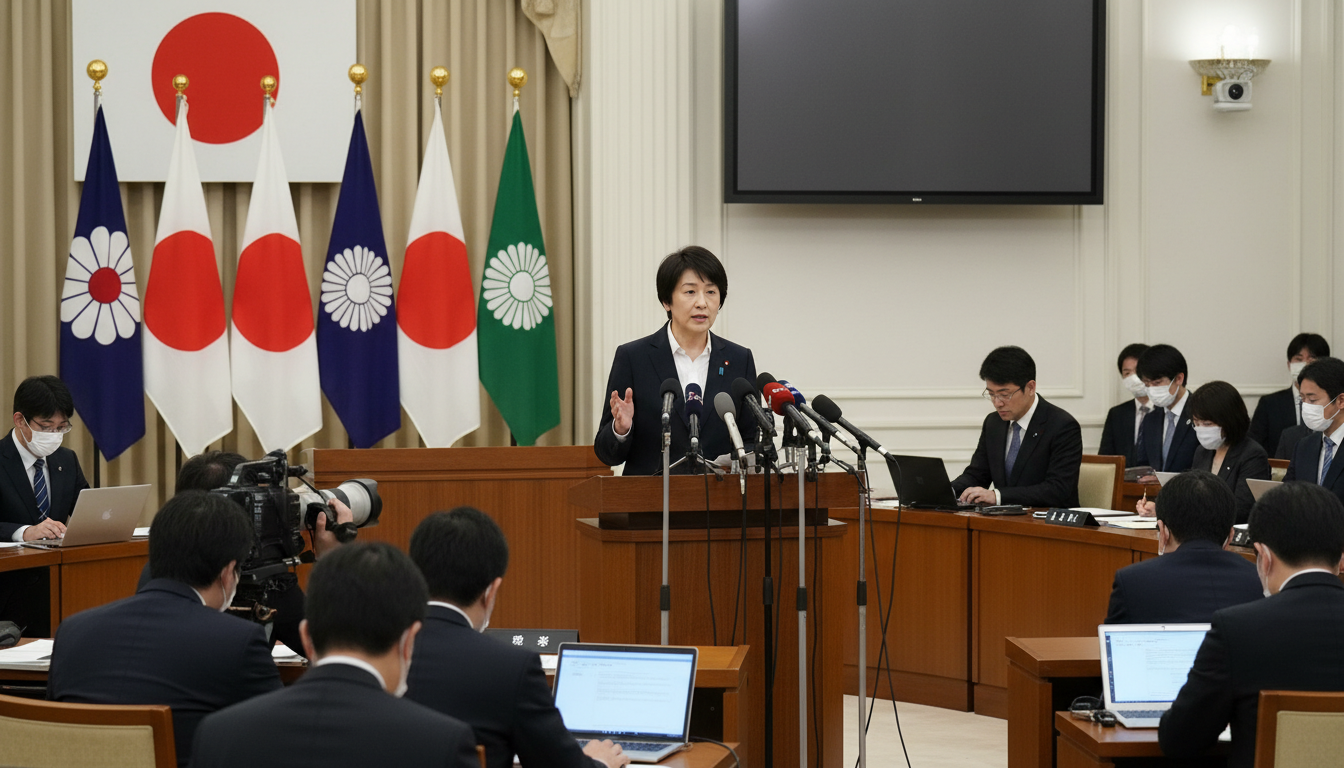
Prime Minister Sanae Takaichi told lawmakers on Monday, April 27, 2026, that Japan will not adopt formal fuel-saving measures or prepare a supplementary budget as it moves to secure alternative oil supplies amid disruptions tied to the Strait of Hormuz blockade. She told the Upper House Budget Committee the government is prioritizing supply arrangements over measures that would scale back economic activity. The announcement follows earlier statements from senior officials that no formal requests for curbs on electricity or petroleum consumption would be made before the Golden Week holiday period.
Takaichi’s remarks to the Upper House Budget Committee
On April 27, 2026, Takaichi addressed members of the Upper House Budget Committee to explain the government’s approach to the unfolding energy challenge. She noted that while various suggestions, including voluntary reductions in fuel use, have been raised, the cabinet believes it is not the moment to slow economic activity. The prime minister stressed the government’s intent to “work urgently to secure the fuel supplies needed overall,” framing the response as logistical and diplomatic rather than domestic austerity.
Decision to avoid a supplementary budget
The prime minister’s declaration that no supplementary budget will be compiled is a clear signal of fiscal restraint for now. Officials are opting not to mobilize additional public funds for temporary relief or emergency purchases at this stage, according to Takaichi’s statement. The choice reflects a calculation that tapping contingency budgets or imposing mandatory cutbacks would risk dampening consumption and business activity during a sensitive economic period.
Plans to secure alternative oil supplies
Government sources say Tokyo is intensifying efforts to diversify procurement routes and suppliers to mitigate the impact of the Strait of Hormuz disruptions. Actions cited by officials include urgent diplomatic engagement, exploring alternative shipping routes and supply timetables, and coordinating with industry to prioritize critical sectors. While detailed operational plans were not disclosed in the committee session, the administration emphasized rapid mobilization of existing channels to keep imports flowing.
Assessment of risks to industry and households
Industry groups and business leaders have told officials they prefer securing supply continuity over compulsory conservation measures. Corporations in energy-intensive sectors are monitoring shipments closely and preparing contingency plans, but most have not been instructed to curtail operations. Households, too, have not been asked to change consumption patterns, and authorities reiterated that no formal requests would be made at least through the Golden Week holiday running from April 29 to May 5, 2026.
Regional and global implications of the Hormuz blockade
The Strait of Hormuz is a strategic chokepoint for global oil movements, and disruptions there have immediate implications for import-dependent economies like Japan’s. Tokyo’s response is being watched by trading partners and markets, where oil price volatility could affect energy costs and inflation. Takaichi’s choice to prioritize supply diversification rather than domestic rationing signals Tokyo’s preference for external solutions to an internationally driven shock.
Japan’s current stance balances economic continuity with contingency planning, rejecting short-term demand restraints while pursuing supply-side fixes. Markets will likely track deliveries, diplomatic progress and any signs that shortages may force a reassessment of domestic policies.
The government has kept open the option to revise its position if the supply situation deteriorates, but for now Prime Minister Takaichi has ruled out fuel-saving measures and a supplementary budget while officials pursue alternative oil arrangements.

