
Japan lifts special advisory after 7.7 magnitude quake off Iwate, warns risk remains
Japan lifted its special advisory after a 7.7 magnitude quake off Iwate on April 20, but officials cautioned that the possibility of a major earthquake has not passed. The Cabinet Office ended the heightened warning period in the evening while urging continued vigilance. Residents across the affected prefectures and Tokyo were told to stay prepared as aftershocks and sudden large tremors remain possible.
Government ends special advisory
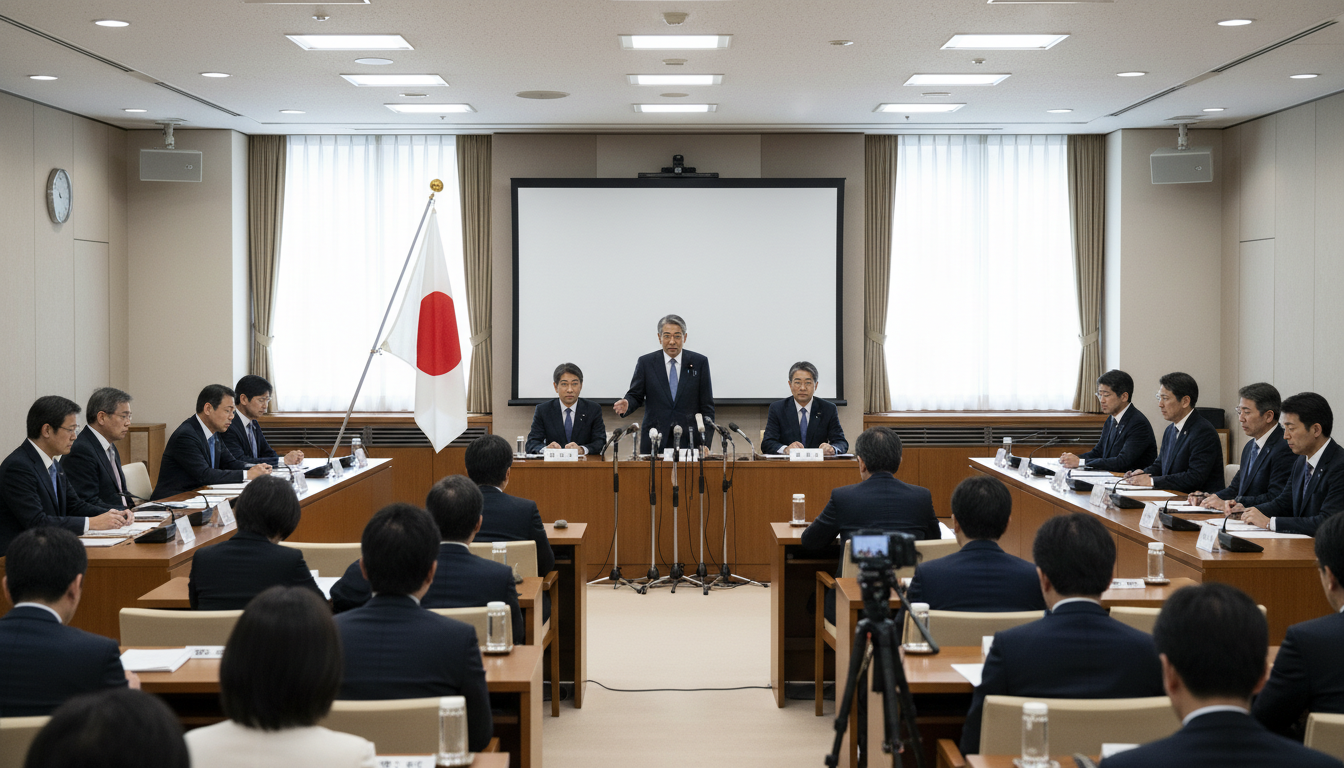
As of 5:00 p.m. on the day following the Pacific quake, the government announced it had ended the special advisory that had been in place after the 7.7 magnitude quake struck off Iwate. Cabinet Office disaster prevention officials made the declaration at a press briefing, signaling a return to regular monitoring rather than an elevated emergency posture. Officials emphasized that the termination of the advisory reflects a change in alert status, not an elimination of seismic risk.
Scope and timing of the April 20 quake
The quake occurred on April 20 in the Pacific waters off Iwate prefecture and was widely felt, including in the Tokyo metropolitan area. The magnitude measured 7.7, a level capable of producing significant ground motion in coastal and nearshore areas. Seismological data indicate the event was undersea, prompting an immediate tsunami alert that later subsided as measured sea-level changes remained limited.
Tsunami alert and coastal response
Authorities issued an initial tsunami warning for areas closest to the epicenter, prompting local evacuations and the activation of emergency protocols in several coastal municipalities. Coastal monitoring stations and the Japan Meteorological Agency tracked sea levels and issued updates as waves failed to show the heights that would necessitate extended evacuations. Local governments maintained shelters and stood ready to reinstate warnings if sea conditions changed.
Injuries and immediate impacts
According to the Fire and Disaster Management Agency, at least ten people were injured in the shaking, with two sustaining serious injuries. Damage reports in affected prefectures included collapsed shelving, broken windows, and minor structural damage to older buildings, while lifelines such as electricity and transportation experienced intermittent disruptions. Emergency services carried out inspections of critical infrastructure and prioritized areas with reports of significant damage.
Officials urge sustained vigilance
Kota Iwamura, the Cabinet Office official overseeing disaster prevention, warned reporters that "this does not mean the possibility of a major quake has disappeared" and stressed that a major earthquake could occur suddenly without clear foreshocks. The government advised residents to maintain emergency kits, check evacuation routes, and follow instructions from municipal authorities. Public messaging emphasized preparedness measures for both coastal tsunami risk and inland shaking.
Seismic context and historical memory
Japan sits at the junction of four major tectonic plates along the Pacific Ring of Fire and experiences roughly 1,500 detectable earthquakes annually, accounting for about 18 percent of the world’s seismic events. While most are minor, the country remains acutely aware of the catastrophic 2011 Tōhoku earthquake and tsunami, a magnitude 9.0 event that caused extensive loss of life and the Fukushima nuclear disaster. That historical precedent continues to shape national policy, building codes, and public consciousness regarding earthquake response.
Aftershocks, monitoring and scientific response
Seismological agencies continue to monitor aftershocks and analyze the April 20 event to understand fault behavior and potential stress changes in the region. Specialists are comparing the quake’s depth and rupture characteristics with historical patterns to assess the likelihood of additional large events. The Cabinet Office and scientific institutions have committed to providing regular public updates as new data and models are produced.
Japan’s municipal and prefectural authorities carried out inspections of ports, coastal infrastructure, and key transport routes in the days following the quake. Ferry services and some local train lines reported temporary suspensions while safety checks were conducted. Utilities companies reported restorative actions where minor outages occurred and confirmed that critical facilities were operating within safe parameters.
Preparedness messaging included reminders to secure heavy furniture, prepare emergency food and water supplies, and keep mobile devices charged for receiving official alerts. Schools and businesses in affected areas conducted rapid safety checks and reviewed evacuation procedures to ensure readiness for potential subsequent tremors.
The government also highlighted that while the special advisory period has ended, the public should not interpret the change as a reduction in long-term seismic risk. Municipal bulletins and national advisories continue to provide guidance on response steps and contact points for reporting damage or requesting assistance.
Authorities plan to hold follow-up briefings to present updated analyses and to coordinate with local governments on recovery and inspection work. Scientific agencies expect aftershocks to continue for weeks to months and will issue targeted warnings if observations indicate elevated hazard. Emergency responders remain on alert and ready to mobilize should conditions warrant renewed warnings or evacuation orders.
Communities along the Tōhoku coast and urban centers that felt strong shaking are conducting local outreach to check on vulnerable residents and to restore normal services. The broader national effort reflects Japan’s layered approach to disaster management, combining real-time monitoring, municipal readiness, and public education to reduce harm from seismic events.
Public authorities reiterated the importance of heeding local evacuation orders and staying informed through municipal channels, particularly for residents in coastal and low-lying areas. The Cabinet Office stressed that preparedness actions—simple measures taken in advance—remain the most effective means of reducing casualties and damage from future earthquakes and tsunamis.

