
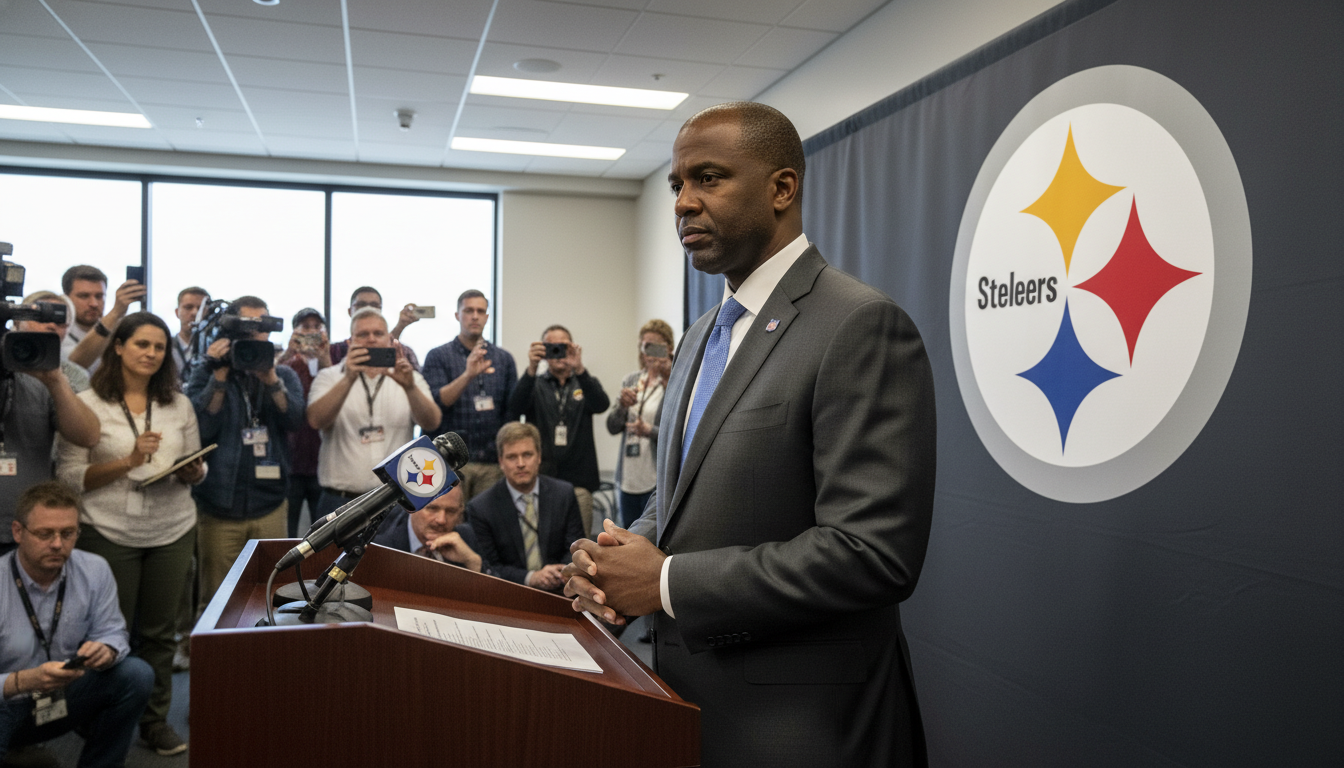
Mike Tomlin resignation: Former Steelers coach says timing was right after 19 seasons
Mike Tomlin resignation: In his first interview since stepping down, the former Steelers coach told NBC that timing, leadership loneliness and a long playoff drought shaped his decision.
Mike Tomlin announced his resignation from the Pittsburgh Steelers in January after 19 seasons with the franchise, and in his first public comments since stepping away he said the timing felt right for both himself and the organization. The 54-year-old coach, who led the Steelers to a Super Bowl XLIII title during the 2008 season, acknowledged that a lack of postseason wins since 2016 and the personal weight of leadership influenced a difficult choice. Tomlin spoke with NBC on Sunday night in an interview that shed light on his decision and his view of the team’s state as he left.
Tomlin frames departure around timing and results
Tomlin said the decision to resign was not abrupt, describing it as a process shaped by performance and personal reflection. He noted that the absence of playoff victories since the 2016 season was a factor in weighing what was best for the franchise going forward. The former coach emphasized that stepping down reflected a convergence of circumstances rather than a single incident.
His comments to NBC made clear he considered both the team’s needs and his own readiness for change. Tomlin declined to provide a detailed timeline of his deliberations but said leadership responsibilities and their inherent isolation contributed to his choice to leave.
Career accomplishments and Super Bowl legacy
Tomlin’s tenure included the franchise’s Super Bowl XLIII championship, a defining achievement that remains central to his legacy in Pittsburgh. Over 19 seasons he maintained a rare streak without a losing record, a consistency that underscored his competitive approach and steadiness as head coach. Teammates and staff often credited him with creating a resilient culture in a demanding NFL environment.
Despite those accomplishments, Tomlin acknowledged that the ultimate measure of postseason success had eluded his teams in recent years. That contrast — sustained regular-season performance paired with limited playoff advancement — framed many conversations about his resignation.
Playoff drought cited as a key influence
A central theme in Tomlin’s interview was the team’s run without a playoff victory since 2016, which he said weighed on his assessment of progress. He suggested that both the organization and he had to confront whether fresh leadership might help bridge the gap in postseason outcomes. For a franchise with sustained expectations, the inability to convert regular-season success into playoff momentum proved a recurring issue.
Tomlin’s candor about the playoff drought reflects broader scrutiny from fans and media over postseason results. His openness about that shortcoming gives context to why the decision to resign was described as complex and emotionally charged.
Leadership pressures and personal reflection
Tomlin described leadership as a solitary responsibility that can influence personal decisions about career direction. He said there is a degree of loneliness that accompanies the role of a head coach, a factor that shaped his thinking as he approached the end of his tenure. The coach framed his resignation as an attempt to act in the best interest of both the team and his own well-being.
His comments also implied a desire to avoid prolonging a transitional period for the franchise, signaling that timing — for the organization’s planning and for his personal life — felt appropriate. That perspective suggests Tomlin weighed organizational continuity in addition to his personal calculus.
Organizational implications and next steps
Tomlin’s resignation leaves the Steelers facing an offseason decision about leadership and direction after nearly two decades under the same head coach. The team will need to evaluate potential candidates, consider schematic continuity, and determine how to address the postseason shortcomings that Tomlin highlighted. Front-office deliberations will likely factor in the franchise’s historical identity and its appetite for change.
For players and staff, the shift will prompt adjustments on and off the field as new leadership establishes priorities. The timing of the announcement gives the organization time to plan for coaching searches, staffing adjustments, and roster moves aimed at addressing weaknesses exposed in recent playoff attempts.
Tomlin’s departure also opens the usual cycle of speculation about potential replacements and avenues for immediate improvement. Observers will watch how ownership and the front office balance continuity with the need for new approaches in pursuit of postseason success.
In stepping away, Tomlin left a record of sustained regular-season achievement and a Super Bowl title, even as he acknowledged the frustration at the lack of recent playoff victories. His decision to resign after 19 seasons ends a long era in Pittsburgh football and begins a period of evaluation and change for a franchise now tasked with choosing a successor and refocusing on postseason goals.

