
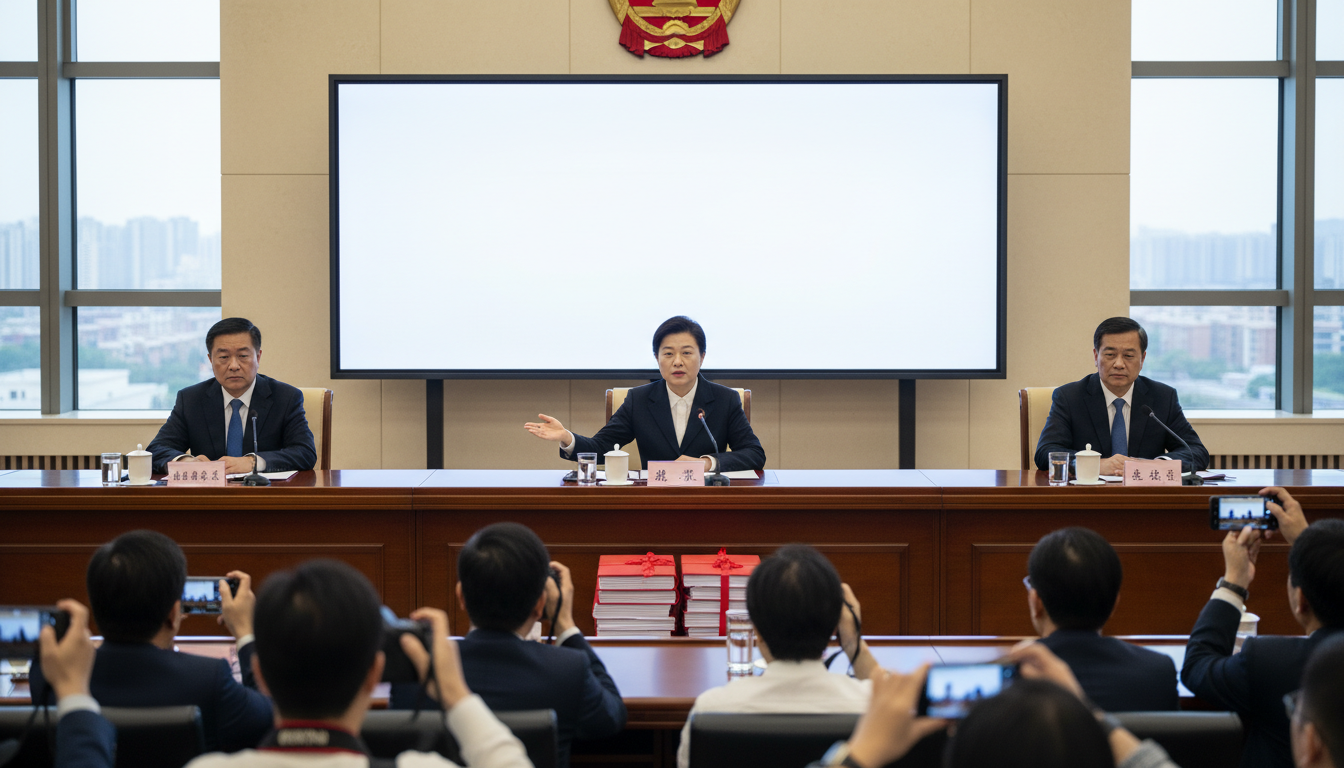
China’s national security review halts Meta’s $2bn Manus acquisition, raising concerns for cross-border tech deals
China’s national security review halts Meta’s $2bn Manus acquisition, unsettling China-born founders and slowing cross-border AI deals, analysts warn.
China’s decision to block Meta’s Manus acquisition has cast immediate doubt over the fate of the $2 billion transaction and intensified scrutiny around technology transfers involving Chinese-born startups. The Beijing review, announced this week, centers on national security considerations and leaves open whether the deal can be unwound or renegotiated. Market participants and founders are already assessing the broader impact on cross-border AI investments and talent flows.
Beijing’s national security review cited as central reason
The Chinese authorities framed their intervention as a national security concern, invoking powers that allow reviews of foreign investments in sensitive technology sectors. Officials pointed to the strategic nature of artificial intelligence and the risk of critical technologies moving outside controlled channels. The invocation of national security review procedures signals a stricter posture toward outbound technology deals than many investors anticipated.
China-born entrepreneurs express alarm and uncertainty
Founders and senior executives with ties to China reacted with alarm to the halt, saying the review will complicate exits and partnerships for venture-backed startups. Several China-born entrepreneurs privately told investors they will rethink domicile, governance and future fundraising strategies to reduce regulatory exposure. The move could reduce the pool of buyers for high-growth AI companies and raise the price of doing cross-border business.
Cross-border M&A in technology faces higher risk premiums
Dealmakers and legal advisers said the Manus outcome is likely to increase due diligence costs and extend timelines for cross-border mergers and acquisitions in tech. Buyers will factor in the chance of regulatory blockages when valuing targets, and sellers may see lower offers or be forced to prefer domestic buyers. The uncertainty also encourages alternative deal structures, such as licensing, joint ventures or retaining sensitive R&D onshore.
Meta confronts strategic, legal and reputational challenges
Meta now faces a narrow set of options: pursue legal remedies, negotiate remedies with Chinese authorities, unwind the transaction, or redeploy capital elsewhere. Each path carries practical and reputational costs for a company already navigating regulatory pressure in multiple jurisdictions. How Meta responds will shape not only its relationship with China but also multinational expectations about the enforceability of cross-border technology deals.
Investors and venture capitalists recalibrate investment strategies
Institutional investors and venture funds are reassessing allocation decisions for AI startups with meaningful China exposure, with some indicating they will demand tighter controls and clearer exit pathways. Limited partners are likely to ask GPs for updated risk frameworks that account for jurisdictional security reviews. The prospect of extended regulatory interference could slow fundraising for Chinese-founded startups with global ties.
Possible remedies for Manus and its backers are complex and time-consuming
Legal experts note that reversing or altering a completed acquisition after a national security finding can be complicated, costly and protracted. Remedies might include structural separations, divestitures of sensitive units, or assurances on data handling and personnel. Even where compromises are theoretically possible, negotiations with regulators require time and political will, making quick resolutions unlikely.
The Manus episode underscores growing geopolitical friction around advanced AI capabilities and the commercial links that cross borders. For founders, investors and multinationals, the incident is a reminder that business strategies must now integrate geopolitical risk alongside technical and market assessments. As regulators in multiple countries tighten scrutiny of critical technologies, cross-border transactions in AI will face both greater scrutiny and higher compliance costs.

