
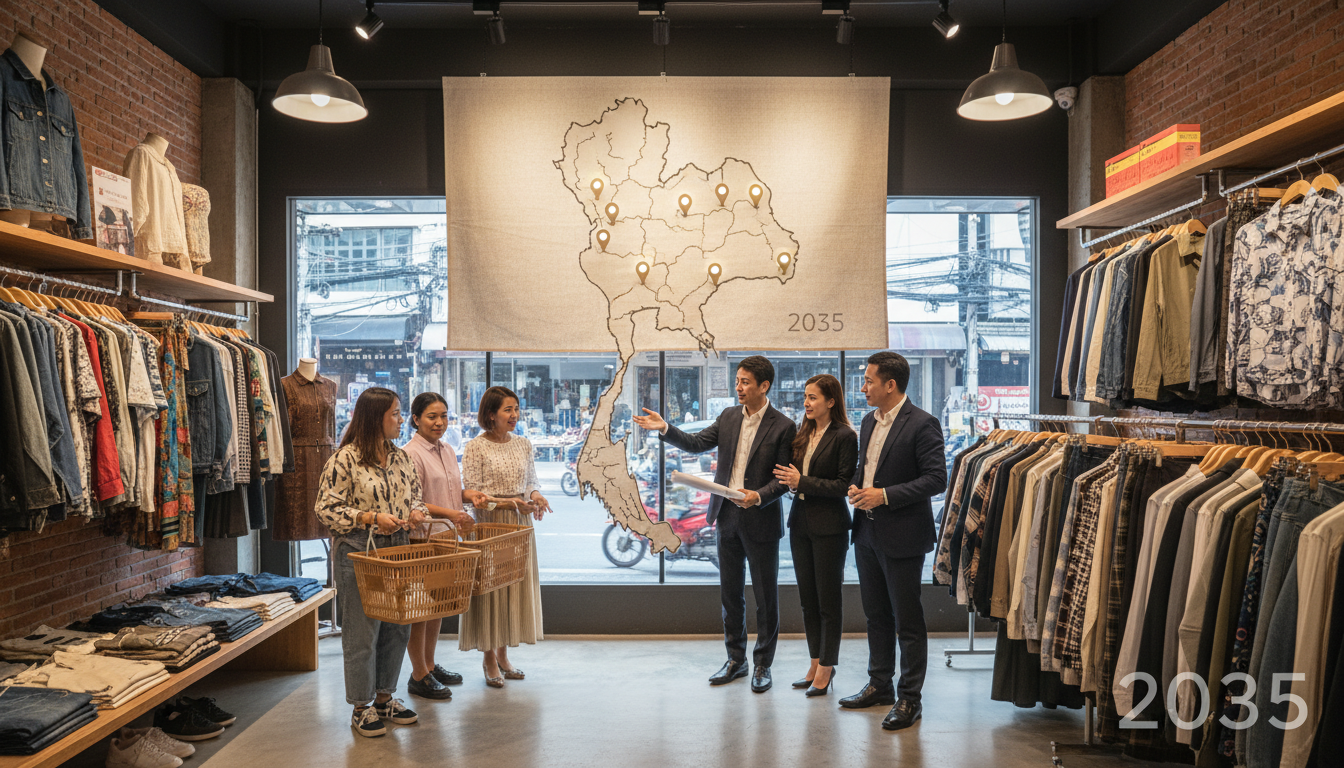
2nd Street Thailand Targets 50 Stores by 2035 as Secondhand Fashion Gains Traction
2nd Street to grow in Thailand from 10 to 50 stores by 2035, tapping rising demand for secondhand fashion among eco- and budget-conscious consumers nationwide.
As secondhand fashion gains momentum in Thailand, Japanese reseller 2nd Street Thailand has announced an ambitious expansion plan to increase its local footprint from 10 stores to 50 by 2035. The company opened its 10th Thai outlet in Nonthaburi province north of Bangkok in April, and says it intends a fivefold rise in the coming decade. The move underscores growing consumer appetite for pre-owned apparel and the strategic importance of Southeast Asia to Japanese retail chains.
Expansion Milestone in Nonthaburi
The April opening in Nonthaburi marked a notable milestone for 2nd Street Thailand and its regional ambitions. Located on the outskirts of Bangkok, the new store serves residential communities and benefits from strong local foot traffic. Company executives describe the site as part of a deliberate push into suburban markets where demand for affordable, quality secondhand goods is rising.
Company’s Fivefold Growth Target
2nd Street’s goal of reaching 50 stores by 2035 represents a fivefold increase from its current network of 10 outlets. Management frames the target as a measured, multi-year rollout rather than an immediate blitz, with an emphasis on selecting locations that balance reach and operational efficiency. The timeline to 2035 allows room to scale logistics, staff training and inventory strategies to support sustainable growth.
Why Thai Consumers Are Buying Used Fashion
Retailers point to several drivers behind rising sales of pre-owned apparel in Thailand, including price sensitivity, a growing environmental consciousness, and changing perceptions of secondhand goods. Younger shoppers in urban and suburban areas increasingly view resale items as both fashionable and responsible choices. The shift in consumer attitudes has opened a commercial window for established foreign players to introduce curated, branded resale experiences.
Operational Strategy and Inventory Sourcing
To support expansion, 2nd Street plans to expand sourcing channels and refine its inventory mix to match local tastes. The company traditionally draws stock from trade-ins, consignments and corporate acquisitions, then refurbishes items for resale. In Thailand, executives say they will adapt merchandise selection to regional preferences while maintaining quality standards that have defined their brand in Japan.
Competition and Market Challenges
The resale market in Thailand is competitive and fragmented, with independent secondhand dealers, online marketplaces and international chains all vying for customers. 2nd Street will face challenges on pricing, supply consistency and customer acquisition costs, particularly in regions where informal sellers offer lower prices. Success will depend on the company’s ability to differentiate through store experience, authentication processes and post-sale services.
Sustainability and Brand Positioning
Sustainability messaging is central to 2nd Street’s pitch, as resale aligns with broader efforts to extend clothing lifecycles and reduce waste. By positioning stores as ethical and quality-focused alternatives to fast fashion, the retailer seeks to attract environmentally minded shoppers without alienating budget-oriented customers. The balance between ecological credentials and value pricing will be critical to long-term brand resonance in Thailand.
Impacts on Japanese Retail Strategy
The Thailand expansion is part of a wider trend of Japanese retailers seeking growth beyond domestic markets amid slow population growth at home. For 2nd Street, success in Thailand could provide a blueprint for further regional expansion and reinforce its status as a leading Asian player in the resale sector. The company’s approach—combining physical stores with localized inventory strategies—reflects a cautious scaling model that other Japanese chains are watching closely.
The rollout to 50 stores will require sustained investment in supply chains, staff development and local partnerships, and 2nd Street’s pace of openings will likely be paced to match those operational upgrades. If the company can maintain product quality and competitive pricing while navigating Thailand’s diverse retail landscape, it may cement a stronger foothold in Southeast Asia’s growing secondhand market.

