
Japan and Toyota Urge Revisions to EU EV Subsidy Rules Tying Aid to In‑Bloc Assembly
Japan and automakers, led by Toyota, urge the EU to amend proposed ‘Made in Europe’ criteria that would link electric vehicle subsidies to in‑bloc assembly.
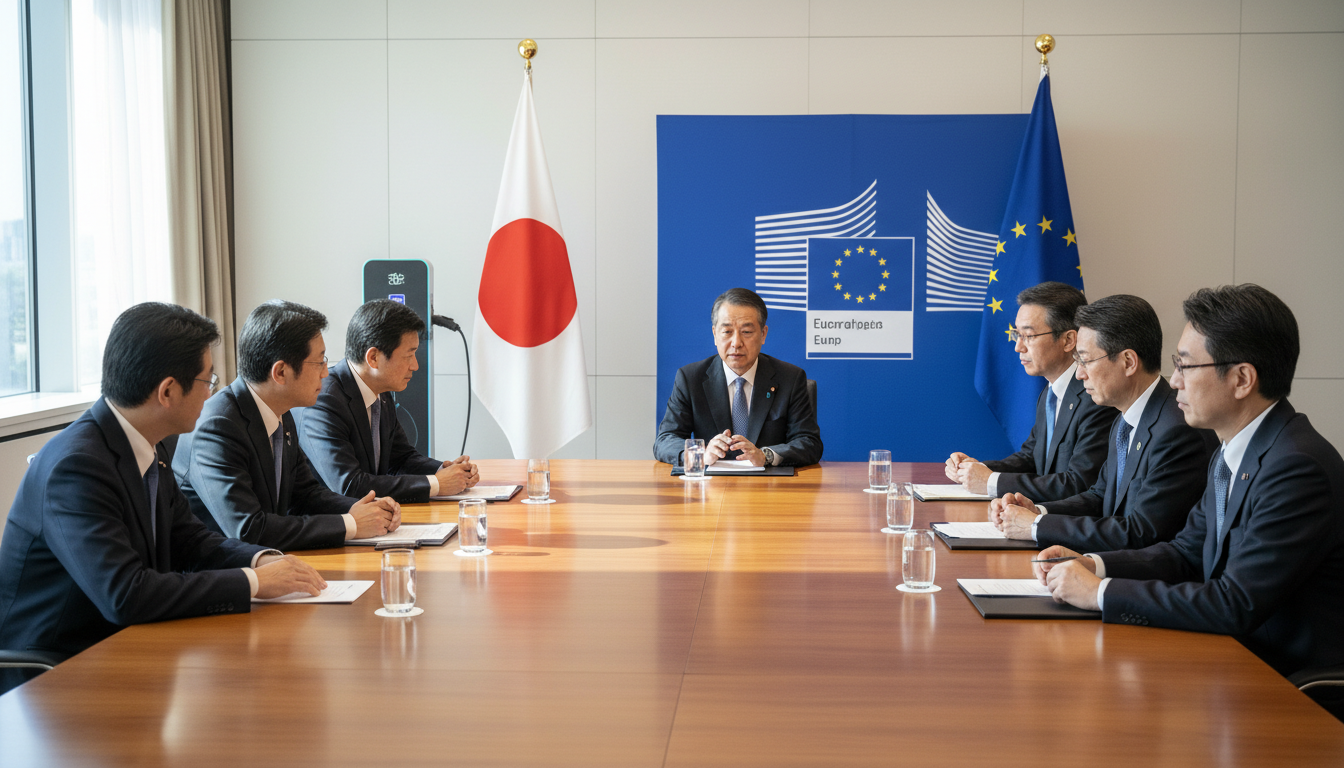
The European Union’s proposal to condition subsidies on electric vehicles being assembled inside the bloc has prompted urgent appeals from Japanese government officials and major automakers, who say the measure risks restricting market access. The EU EV subsidy rules, designed to bolster local decarbonization and industrial resilience, would add “Made in Europe” content requirements for vehicles and components seeking financial support. Tokyo and companies such as Toyota are asking Brussels to revise the draft to avoid what they view as de facto protectionism and to preserve global supply chains.
EU proposal connects subsidies to assembly location
The draft EU policy would make eligibility for certain purchase incentives and industry subsidies contingent on a vehicle’s assembly and component origins. Proponents in the European Commission argue the change will accelerate decarbonization by supporting domestic manufacturing of batteries, electric motors and other critical parts. The measure is presented as a way to secure green jobs within the bloc and reduce reliance on non‑EU suppliers for the energy transition.
Opponents counter that tying subsidies to geographical assembly could distort trade and disadvantage foreign manufacturers that already invest heavily in European production. Several automakers point out that modern vehicle supply chains are globally integrated, with components such as semiconductors and battery cells produced in different regions.
Japanese government raises market access and fairness concerns
Japanese officials have formally urged EU lawmakers to revisit the draft, saying the measure could undermine principles of open trade and equal treatment for foreign companies operating in Europe. Tokyo’s plea centers on ensuring that established plants and investments by Japanese firms in the EU are not penalized by overly rigid content rules. Officials warn that without adjustments, the policy could prompt reciprocal measures or complicate talks on broader economic cooperation.
The Japanese requests emphasize the need for clarity and predictability so firms can plan long‑term investments, particularly in battery and electric powertrain production. Government representatives argue that carve‑outs or more flexible qualification criteria could address legitimate European goals without closing the market to non‑EU suppliers.
Automakers, including Toyota, stress supply‑chain realities
Major manufacturers, including Toyota, have flagged practical difficulties in meeting a strict “in‑bloc assembly” standard given existing global networks for parts and raw materials. While many Japanese groups operate European assembly plants, key battery components and semiconductors often originate outside the EU, complicating compliance. Automakers say abrupt or narrow rules could increase costs, delay rollouts of new EV models, and reduce competitiveness.
Industry groups also warn that smaller suppliers could face acute strain if they are forced to relocate production at short notice. They recommend transitional periods, thresholds based on value‑added rather than single‑location assembly, and recognition of investments that already localize significant portions of production.
Trade and legal implications loom for Brussels and Tokyo
Trade lawyers and policy analysts note that strict geographic conditions attached to subsidies could invite challenges under World Trade Organization rules or bilateral trade agreements. Critics say the policy may be construed as discriminatory if it advantages EU manufacturers over foreign firms producing the same goods within the single market. Legal disputes could follow, prolonging uncertainty for investors on both sides.
At the same time, EU policymakers argue they have tools to design the scheme within international obligations while aligning industrial and climate objectives. The debate in Brussels is likely to balance legal defensibility against political appetite for onshoring green industry.
Potential impact on investment, costs and consumers
If the EU EV subsidy rules are adopted in their current form, analysts warn of potential shifts in where companies place future factories and R&D facilities. Some suppliers may accelerate plans to expand production within the bloc to retain access to subsidies, while others may reassess their European strategies. These adjustments could raise short‑term costs that are ultimately passed on to consumers, slowing adoption of electric vehicles.
Conversely, supporters contend that clearer incentives for local production could spur long‑term investment in European battery and component manufacturing, lowering costs over time. Whether the net effect is positive for climate goals and industrial competitiveness will depend on the final shape of the rules and the pace of implementation.
European institutions still face intensive consultations with member states, industry stakeholders and trading partners before any final regulation is adopted. Tokyo’s interventions, coupled with pressure from global automakers, add diplomatic weight to those discussions.
The next phase will determine whether Brussels softens eligibility thresholds, introduces transition periods or adopts alternative measures that reward local investment without strictly excluding non‑EU assembly. How EU lawmakers balance industrial policy goals with trade commitments will shape the global electric vehicle market and influence where the industry invests in the coming decade.

