
India fuel prices rise for first time in four years as state retailers pass on crude costs
India fuel prices climb as government-owned retailers begin partial pass-through of higher crude costs, ending a four-year freeze and lifting pump prices across cities.
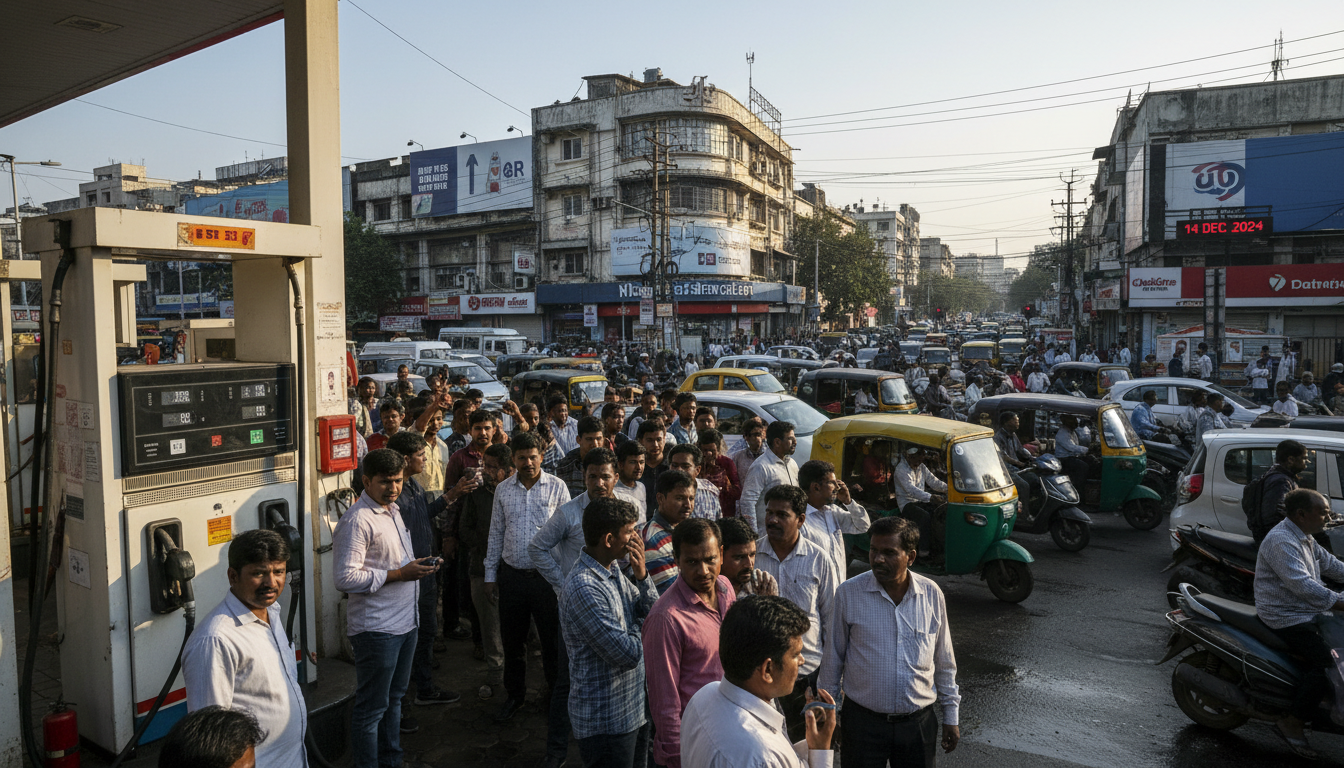
Indian motorists encountered higher petrol and diesel prices this week as state-owned oil marketing companies began partially passing on a sustained increase in global crude costs. The move marks the first domestic retail rise in roughly four years and breaks a spell in which pump prices were kept unchanged despite international price volatility. Consumers and transport operators across urban and rural areas reported seeing the new rates at forecourts from early trading days.
State retailers cite rising import bills
Government-owned oil retailers said the step was necessary after a prolonged run-up in their crude import bills that eroded margins. Officials described the change as a partial pass-through rather than a full alignment with international benchmarks, indicating the companies will absorb some costs while adjusting retail tariffs. The decision reflects mounting financial pressure on state refiners and distributors that had struggled to balance market reality with social and fiscal considerations.
Four-year halt to retail increases comes to an end
Domestic pump prices had been held broadly steady for months even as global crude surged, creating a disconnect between international market moves and domestic retail tariffs. That pause kept filling stations from reflecting the true scale of global price swings and left downstream companies carrying accumulated losses. The recent adjustments therefore close a chapter of price stability and reintroduce regularity between world oil markets and local consumer prices.
Immediate effects on drivers and transport operators
Motorists noticed the change at urban and highway filling stations, where signage and receipts reflected the revised rates. Commercial transport firms and taxi fleets are also recalculating operating costs, with logistics managers warning of knock-on effects for freight rates if crude trends continue upward. For ordinary households, the increase will raise the cost of commuting and running generators, adding pressure to already tight monthly budgets in many cities.
Fiscal strain and subsidy trade-offs
For years, authorities and state-run companies have absorbed parts of global fuel shocks through a mix of subsidy mechanisms, deferred adjustment and internal cross-subsidies. That approach limited immediate pain for consumers but transferred financial strain onto oil marketing companies and, indirectly, the government balance sheet. By allowing a partial price pass-through, policymakers and companies appear to be shifting toward a model that reduces contingent liabilities while still moderating the pace of retail adjustments.
Global crude volatility behind the move
The step follows a period of heightened international crude volatility that put pressure on import bills for major oil-consuming nations. While domestic prices were unchanged through March and April, global benchmarks moved higher, prompting a reassessment by refiners who import large shares of crude. Analysts say the recent domestic adjustment simply narrows the gap between international energy markets and local retail pricing, and that further moves will depend on how crude markets evolve in the coming weeks.
What consumers and markets should watch next
Observers will be watching whether refiners continue with incremental adjustments or revert to a policy of extended stability. The frequency of future price reviews and the degree of pass-through will shape inflationary trends and consumer sentiment. Market participants also note that any sustained decline in global crude could allow retailers to roll back some of the increases, while renewed upward pressure would prompt further domestic adjustments.
The rise in India fuel prices ends a prolonged period of retail stability and signals a rebalancing between international oil market realities and domestic tariff-setting. Households, commercial operators and policymakers will now track market movements more closely as retailers and authorities weigh the trade-offs between shielding consumers and maintaining fiscal and corporate solvency.

