
ECB June rate increase now more likely as ECB chief economist cites higher inflation risk
ECB June rate increase appears increasingly likely after the ECB’s chief economist signalled a higher inflation outlook and warned that elevated oil prices and Middle East tensions could push prices up further.
ECB signals stronger case for a June rate increase
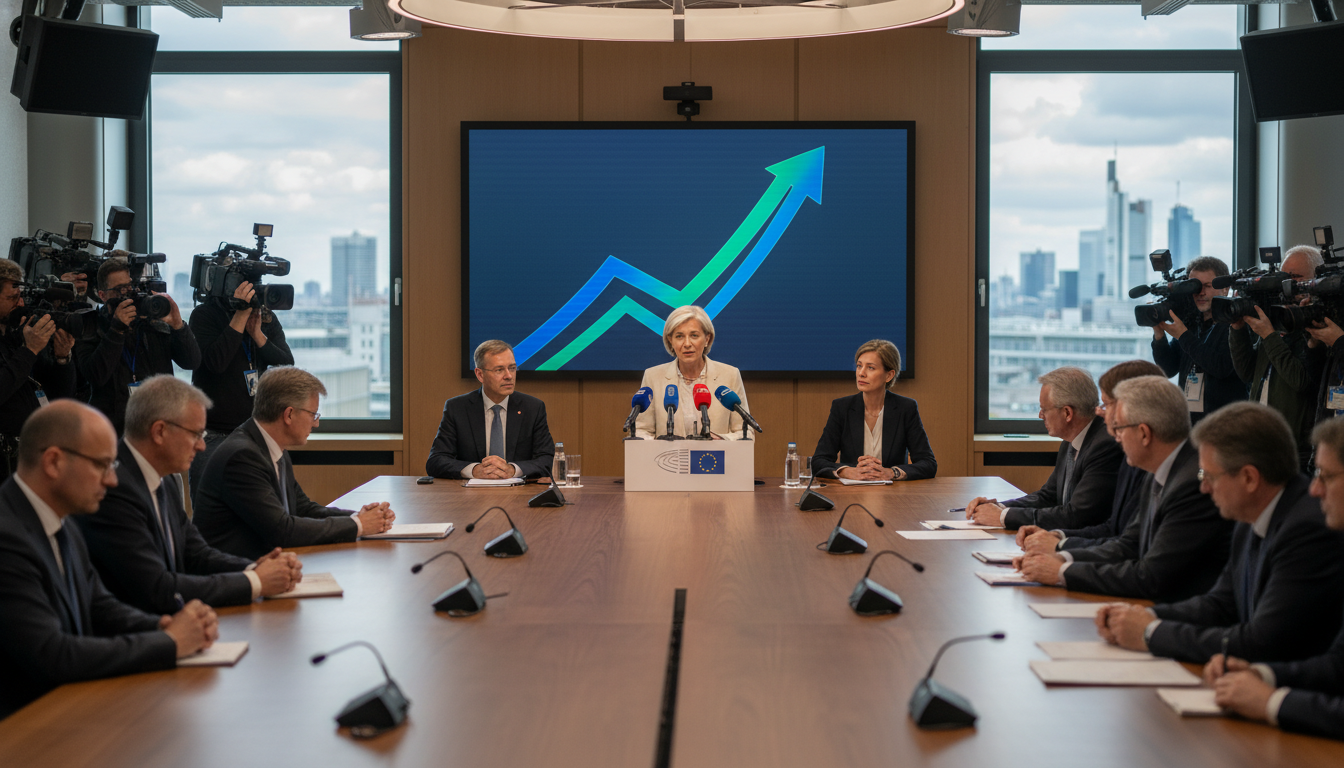
Philip Lane, the European Central Bank’s chief economist, told reporters at ECB headquarters in Frankfurt that the inflation outlook for next month has shifted upwards, strengthening the case for a policy move in June. Lane framed the change as a response to upside risks to prices, noting that recent external developments were complicating the bank’s baseline path. Markets have reacted by pricing a higher probability of a rate increase at the June meeting, reflecting tighter financial conditions for borrowing and lending.
The ECB’s discussion now centers on whether the new data justify an immediate tightening or call for a more cautious step-by-step approach. Officials face a trade-off between acting quickly to anchor inflation expectations and waiting for firmer evidence that the inflation trend is persistent. Lane emphasized that the bank will weigh incoming economic indicators alongside global energy developments when deciding next month’s policy action.
Inflation outlook revised upward amid external shocks
Officials pointed to a renewed upward tilt in the inflation outlook driven largely by energy and commodity price pressures. Elevated oil prices since the spring have increased the likelihood of higher headline inflation readings in the near term, complicating the ECB’s pathway back to its 2% target. Lane cautioned that even temporary energy shocks can feed into broader price-setting behavior if left unaddressed, raising the bar for policymakers.
Core inflation measures, which strip out volatile food and energy costs, have shown stickiness in several eurozone countries, adding to the policy dilemma. The ECB must determine whether current price pressures are transient or signal broader second-round effects that would require a policy response to prevent entrenched inflation expectations.
Middle East tensions and oil prices heighten upside risks
Geopolitical tensions in the Middle East were cited by Lane as a material upside risk to inflation through the energy channel. Disruptions or the fear of supply interruptions can drive oil prices higher and lift headline inflation across advanced economies. Financial markets tend to react swiftly to such developments, amplifying their impact on bond yields, currency markets, and import prices.
Analysts say prolonged elevated oil prices would increase costs for households and businesses, eroding real incomes and potentially slowing growth while keeping headline inflation elevated. The interplay between weaker growth and higher inflation poses a particular challenge for the ECB’s dual focus on price stability and support for the economy.
Market pricing and financial-market reaction
Since the comments from the ECB’s chief economist, money markets have shifted to reflect a higher probability of a June rate hike, with futures contracts and swap rates adjusting accordingly. Government bond yields across the eurozone rose modestly as investors re-priced the timeline for policy tightening. The euro strengthened slightly against the dollar on renewed expectations of relatively firmer policy in the euro area.
Bank lending rates and corporate borrowing costs are already sensitive to central bank signals, and even a modest move in June could widen funding spreads for some borrowers. Market participants will closely watch forthcoming data — notably inflation releases and wage growth reports — for confirmation that policy tightening is warranted and sustainable.
Policy options and the ECB’s decision calculus
Inside the ECB, debate is expected to focus on the size and pacing of any rate increase. Some policymakers may favor a single decisive move in June to reassert control over inflation expectations, while others may advocate a more gradual sequence to avoid over-tightening the recovery. Lane’s comments suggest the staff view of risks has shifted, but he stopped short of committing to a specific policy action.
The bank will also consider the transmission of past rate increases to the real economy, including lending volumes and investment plans. If financial conditions tighten significantly before the June meeting, officials may opt for a more cautious approach, relying on data and market behaviour to guide timing.
Implications for the eurozone economy and global spillovers
A June rate increase would have immediate implications for households and businesses facing higher borrowing costs, potentially slowing consumption and investment. At the same time, it could help anchor inflation expectations and limit the risk of wage-price spirals. The ECB must balance the near-term inflation risks from higher energy costs against the fragility of an economic recovery still bearing the scars of recent shocks.
Global markets, including those in Asia, may see ripple effects through exchange rates and capital flows if the ECB adjusts its stance sooner than other major central banks. Policymakers internationally will watch closely for signs that elevated energy prices translate into sustained inflation pressures that require coordinated or independent policy responses.
Europe’s central bank will enter June’s meeting with fresh scrutiny of incoming data and market signals, mindful that external developments could quickly alter the outlook. The next weeks of economic releases and geopolitical developments will be decisive in shaping whether the ECB moves in June and how aggressive any action might be.

