
Osaka metropolis plan moves forward as city council approves statutory council, paving way for third referendum
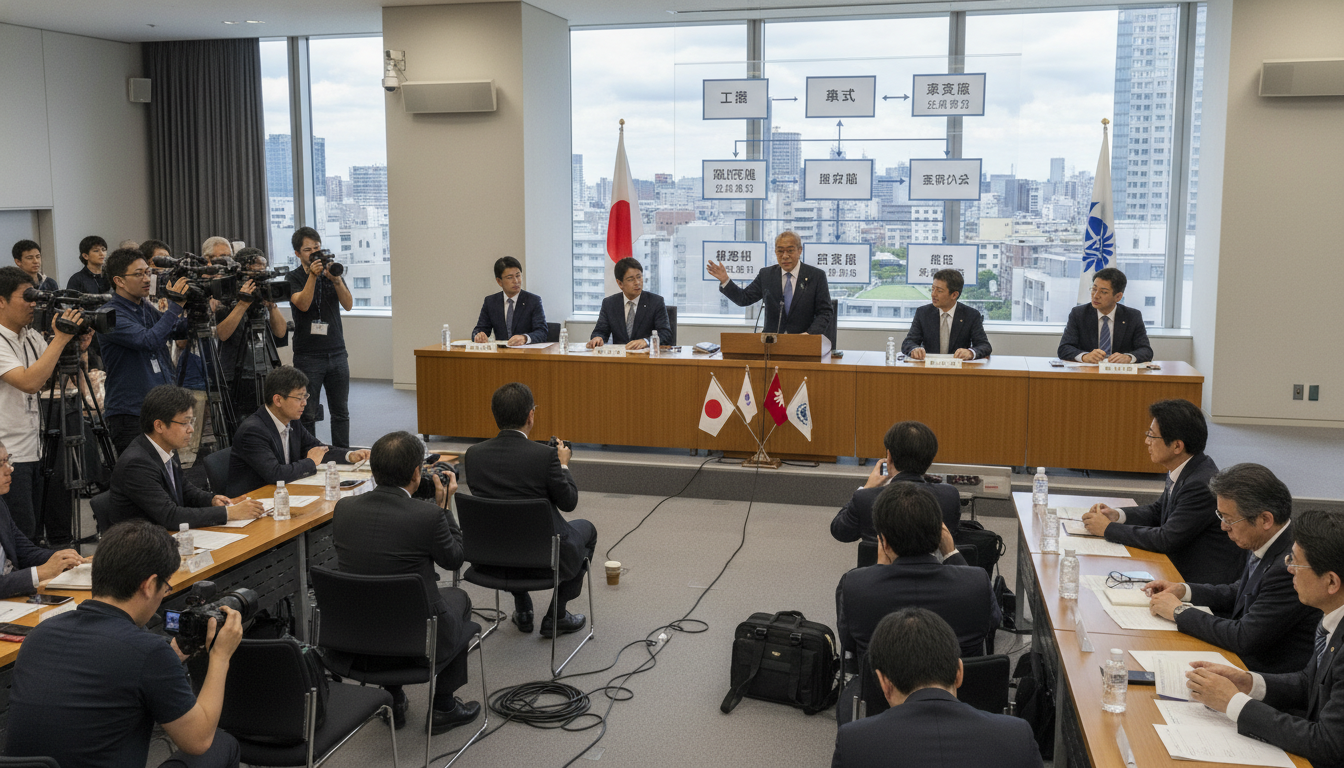
Osaka metropolis plan advances after Osaka City Council on May 27 approved a bill to establish a joint prefecture-city statutory council to draft concrete proposals, setting the stage for a likely referendum next spring.
The Osaka metropolis plan took a decisive step on May 27 when Osaka City Council voted to create the statutory council that will draft the detailed scheme to reorganize the city into special wards. The move is expected to be approved by the Osaka Prefectural Assembly in June, effectively launching formal preparations for a third referendum on the Osaka metropolis plan. Proponents, led by the regional party Nippon Ishin no Kai, hold majorities in both assemblies and are aiming to hold the vote alongside the unified local elections next spring.
Council vote and immediate next steps
The city vote on May 27 approved the ordinance to set up the statutory council, a body mandated to work with the prefecture on producing a concrete plan and ward map. If the prefectural assembly follows suit as forecast, the council will begin negotiating legal and administrative details that underpin the Osaka metropolis plan. Those negotiations will determine the draft that voters will be asked to approve or reject in the upcoming referendum.
Why a third referendum now
Supporters say the timing reflects shifts in political and economic context rather than mere persistence. After narrow defeats in referendums held in 2015 and 2020, backers argue that a post-expo economic strategy and recent national-level alliances make metropolitan reorganization more viable now. Party leaders have framed the vote as necessary to secure a stronger governance framework for Osaka’s role as a national “sub-capital” and to drive regional revitalization.
Yoshimura’s return and political dynamics
Governor Hirofumi Yoshimura’s re-engagement with the metropolis agenda was a pivotal factor in restarting the campaign. Once hesitant to relaunch the push, Yoshimura staged a political comeback that included a January re-run election in which he secured re-election and reaffirmed his commitment to pursuing the Osaka metropolis plan. His demands during coalition talks at the national level reportedly included legal recognition of Osaka as a strategic administrative hub, a condition that reinforced the party’s determination to press for restructuring at home.
Majority control and referendum timing
The regional party that champions the metropolis plan retains majorities in both the Osaka City Council and the Prefectural Assembly, giving it procedural leverage to set timelines and the legal framework for the referendum. Party strategists now appear to favor synchronizing the referendum with the nationwide unified local elections next spring to maximize turnout and political momentum. Officials say that aligning the dates would simplify logistics but would compress the timetable for drafting ward boundaries and public consultation.
Ward mapping and tight schedule are expected flashpoints
One of the most contested elements likely to shape public debate will be the drawing of special ward boundaries and the distribution of administrative functions between prefecture and wards. The statutory council must produce a detailed ward map and explain how services, taxes and debts would be allocated. Observers warn that the compressed schedule—if the referendum is held next spring—will intensify scrutiny and heighten conflicts over technical details that can sway undecided voters.
Campaign rules and civic implications
Legislative steps to advance the Osaka metropolis plan also raise questions about campaign regulations during the referendum period. Depending on the legal timetable, there may be temporary restrictions on certain forms of political activity for public employees or limits on official communications. Civic groups and opposition parties have signaled they will monitor enforcement closely and press for transparent procedures to ensure a fair campaign environment.
Public services and municipal operations could face transitional strains if voters approve the proposal, while a rejection would leave the current municipal structure intact and could trigger political fallout for proponents. Analysts say both outcomes carry significant administrative and political consequences for Osaka, making clear and accessible explanations of the plan’s implications critical to voter decision-making.
The coming months will test whether proponents can translate majority control in assemblies into public approval at the ballot box, and whether opponents can mobilize enough concern over ward division and service changes to block the proposal. The statutory council’s drafting process, the clarity of its ward proposals, and the conduct of the referendum campaign will be decisive in determining whether Osaka moves toward a metropolitan-style reorganization or repeats the narrow defeats of previous referendums.

