
Tibet protest at U.N. draws hundreds in New York as three are detained
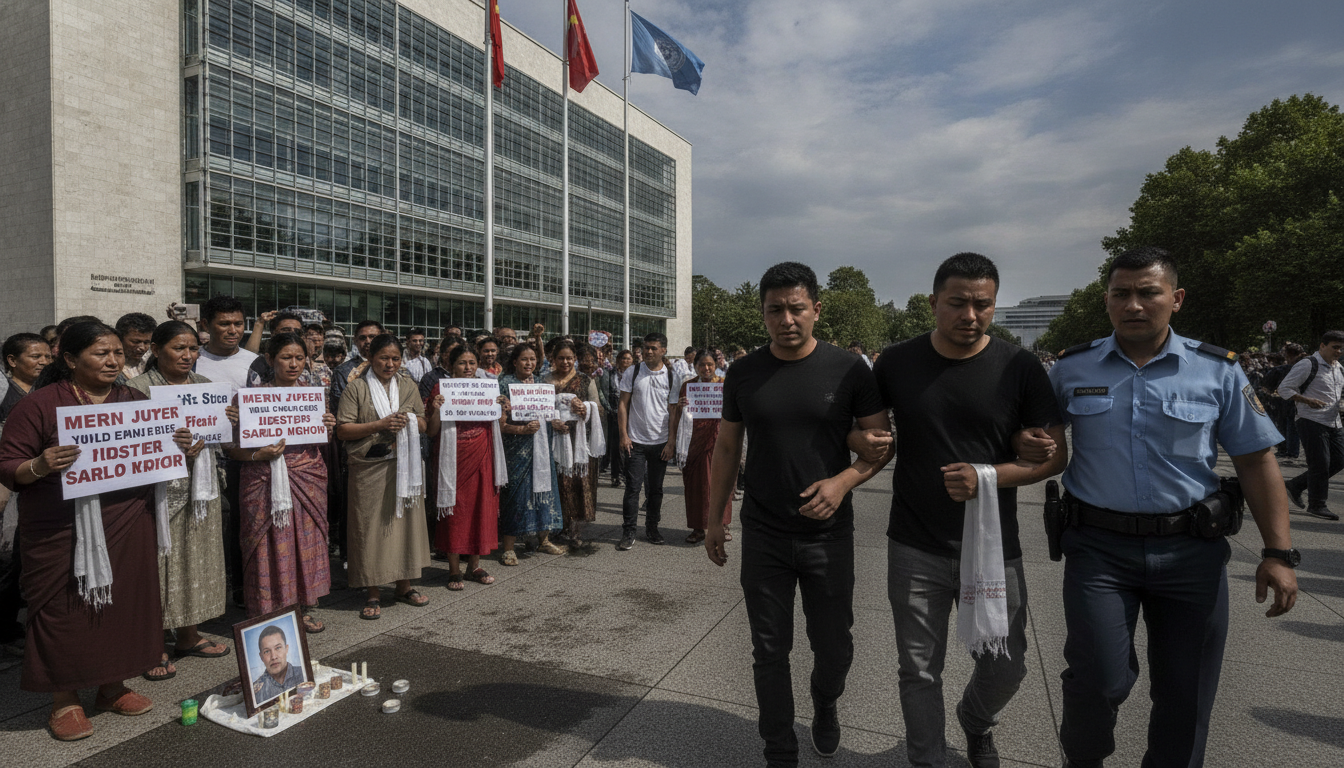
Hundreds gathered outside the United Nations in New York on July 9 in a Tibet protest following the death of Lobsang Palden, and three demonstrators were taken into custody as activists called for U.N. action.
Strong opening: Demonstration outside U.N. follows self-immolation
Hundreds of protesters assembled on the plaza outside U.N. headquarters in Manhattan on Thursday, staging a Tibet protest that drew international attention. The demonstration came a week after Lobsang Palden, a Tibet-born New York resident, set himself on fire and later died from severe burns. Organizers said the crowd sought to pressure U.N. officials to respond to what they called an urgent human rights crisis in Tibet. Police detained three participants during the rally, authorities and witnesses said.
Details of the July 9 rally and crowd
The protest was concentrated near the U.N. visitor entrance, with demonstrators holding banners and chanting in several languages. Photographs distributed by student activists showed a banner reading, “Volker Türk end your silence on Tibet,” underscoring the group’s appeal to the U.N. High Commissioner for Human Rights. Organizers estimated the turnout in the hundreds, while independent observers described a steady stream of participants over several hours. The event was peaceful for most of the day before police moved in to detain three individuals.
Arrests and police response
Law-enforcement officials detained three people during the demonstration, citing public order concerns and restricted access near U.N. security zones. Protesters and legal observers reported that arrests occurred after a group attempted to enter a restricted area of the compound. Those detained were held for questioning, and police said they were processed in accordance with standard procedures. Organizers said they would seek information on the charges and press legal representatives to review the circumstances of the detentions.
Protesters demand action from the U.N. rights office
Organizers at the Tibet protest pressed the U.N. human rights office for an explicit response to recent self-immolations and what they described as systemic abuses in Tibetan areas. The banner aimed at Volker Türk reflected calls for an independent inquiry and for the U.N. to publicly condemn actions by Chinese authorities. Activists said the timing of the New York rally was chosen to coincide with U.N. sessions in order to maximize visibility with diplomats and human rights officials. Student-led groups and diaspora organizations emphasized a demand for both investigation and protection for Tibetan cultural and religious practices.
Background: The death of Lobsang Palden and context
The immediate catalyst for the protest was the death of Lobsang Palden, identified by community members as a Tibet-born resident of New York who set himself on fire in an act of protest. Palden’s self-immolation and subsequent death prompted grief and anger among Tibetan exile communities and rights advocates, who said his death highlights a pattern of extreme protest inside and outside Tibetan-populated regions. Demonstrators in New York framed the act as part of a long-running cycle of resistance to policies in Tibet, while calling for international bodies to address the root causes. Organizers declined to provide graphic details out of respect for the family, stressing instead the political and humanitarian questions raised.
Organizers, diaspora groups and next steps
Students for a Free Tibet and several diaspora organizations coordinated publicity and logistics for the rally, and supplied photo documentation of the event. Community leaders said they plan follow-up activities, including petitions, meetings with diplomats and additional demonstrations in other cities. Advocates indicated they will press for statements from member states at the U.N. and for the human rights office to prioritize documentation of abuses they allege are occurring in Tibetan regions. Legal and advocacy groups also signaled intent to monitor the treatment of arrested demonstrators and to provide support.
The Tibet protest at the U.N. drew attention to a wider campaign by exile communities and human rights activists to elevate concerns about Tibet at international forums. Observers said the arrests may intensify scrutiny of how protests near diplomatic sites are managed and could prompt further public events aimed at generating diplomatic engagement. As the U.N. prepares for its next sessions, activists are likely to redouble efforts to translate public demonstrations into formal demands for inquiries and protective measures.

