
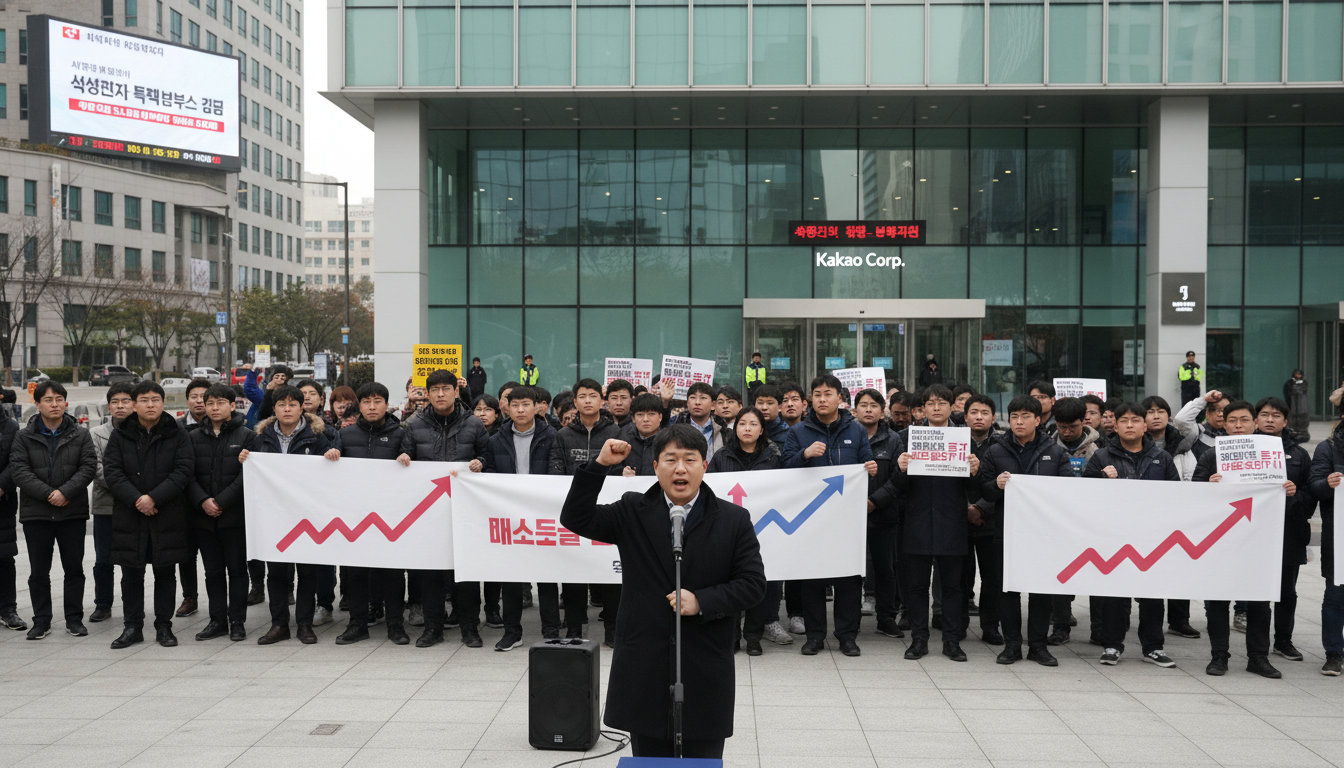
Kakao labor dispute escalates as union presses for larger profit share
Kakao labor dispute intensifies as Kakao Corp. and its union clash over profit-sharing demands, echoing Samsung union wins and raising investor and user concern in Seoul.
Kakao Corp. and its labor union are locked in an escalating Kakao labor dispute after employees pressed for a significantly larger share of company profits. The confrontation comes as South Korea’s technology workers increasingly seek structural changes to pay, following high-profile wins at other firms.
Union demand centers on profit-sharing and wages
The union has publicly framed its demands around a broader redistribution of corporate earnings to frontline employees. Workers are seeking a mix of higher base pay, larger bonuses and clearer profit-sharing mechanisms tied to company performance.
Union leaders argue the push reflects a long-standing imbalance between rapid corporate growth and worker compensation at platform companies. Management counters that any changes must consider competitiveness and sustainable investment in services.
Management signals resistance and contingency planning
Kakao management has indicated it will not accept open-ended commitments without detailed financial plans. Company executives have said discussions are ongoing, emphasizing the need to balance employee compensation with investment in services like KakaoTalk.
Sources close to negotiations say management is evaluating a range of responses, from targeted one-off payments to longer-term compensation frameworks. The company is also weighing reputational risks and the potential effect on product development timelines.
Influence of Samsung union victories on strategy
The current dispute has been shaped in part by recent high-profile outcomes at Samsung-affiliated workplaces, where unions secured substantial bonuses for members. Those successes have emboldened labor groups across the tech sector, creating momentum for similar demands elsewhere.
Industry observers say the Samsung cases provided a playbook for negotiations by demonstrating the leverage unions can gain through coordinated bargaining and media attention. Employers in response are reassessing negotiation tactics and internal compensation policies.
Potential impacts on users, services, and investors
Analysts warn the Kakao labor dispute could reverberate beyond the negotiating table, affecting user experience and investor confidence if tensions persist. KakaoTalk, South Korea’s most-used messaging platform, underpins a broader ecosystem of services whose operation depends on retained talent and steady development.
Short-term disruptions to internal projects are possible if staff morale or retention is affected, though management has emphasized continuity of service. Investors are monitoring the talks for signs of larger governance shifts that could alter cost structures and future profitability.
Broader context of labor activism in South Korea tech
The clash at Kakao reflects a wider trend of intensifying labor activism within South Korea’s technology sector. Workers are increasingly organizing around demands for more equitable compensation and clearer roles in corporate decision-making.
Regulators and industry groups are closely watching outcomes, as settlements could influence standards for profit distribution and corporate governance across the platform economy. The dispute highlights tensions between fast-growing digital firms and traditional labor expectations.
Kakao and its union have scheduled further negotiation sessions, with both sides under pressure to find a settlement that addresses worker demands while preserving the company’s capacity to invest in services. The outcome is likely to shape pay discussions at other tech firms in the months ahead.

