
Shangri-La Dialogue 2026 Ends with Focus on AI, Seabed Security as China Keeps Low Profile
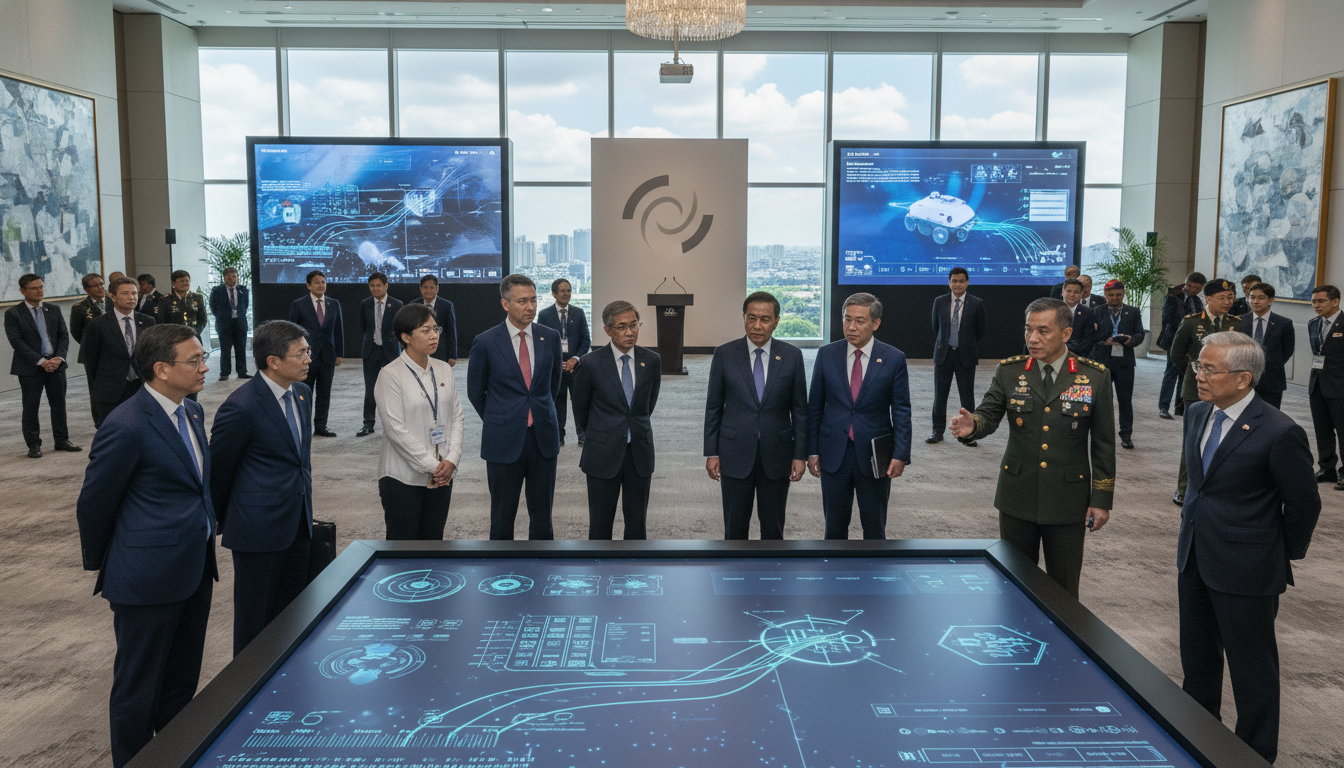
At the Shangri-La Dialogue in Singapore on May 31, 2026, delegates from across the Indo-Pacific focused on artificial intelligence, seabed security and simmering regional flashpoints while China maintained a low profile. The three-day security forum brought defense ministers, chiefs and senior officials together for wide-ranging discussions amid cautious diplomatic posturing. Key debates centered on how to manage emerging technologies and maritime vulnerabilities without triggering escalation.
Shangri-La Dialogue Concludes in Singapore
The Shangri-La Dialogue formally concluded on Sunday, May 31, 2026, after sessions that mixed technical briefings with high-level strategic talks. Organizers said the conference drew a broad cross-section of defense officials and think-tank experts from the region and beyond. Delegates left with a clearer sense of the issues shaping Indo-Pacific security in the year ahead, even as consensus on concrete next steps remained limited.
U.S. Message on Taiwan and China Was More Restrained
U.S. Defense Secretary Pete Hegseth adopted a measured tone on Taiwan and China compared with earlier public remarks, signaling an emphasis on de-escalation and dialogue. U.S. officials at the forum reiterated support for deterrence and regional stability while stressing restraint to avoid miscalculation. The tone reflected a balancing act between reassuring partners and avoiding rhetoric that could harden positions.
China’s Delegation Remained Low-Profile, Led by PLA Major General
Beijing again did not dispatch its defense minister to the forum, sending a lower-profile delegation led by Maj. Gen. Meng Xiangqing of the People’s Liberation Army. The decision to send a senior military official rather than the defense minister underscored Beijing’s cautious engagement with regional defense diplomacy this year. Chinese representatives participated in select sessions but largely avoided headline-grabbing bilateral confrontations.
Artificial Intelligence in Warfare Took Center Stage
Deliberations at the Dialogue gave significant attention to the military and ethical implications of artificial intelligence, with participants calling for clearer norms and risk-reduction measures. Delegates discussed operational challenges, including autonomous systems, decision-support tools and the need for transparency around testing and deployment. Several delegations urged greater international cooperation to establish confidence-building measures and technical safeguards against unintended escalation.
Seabed Security Emerges as a Rising Concern
A less traditional topic—seabed security—surfaced repeatedly as states flagged vulnerabilities linked to undersea infrastructure and resource competition. Participants highlighted risks to subsea cables, communication links and nascent seabed mining activities as potential triggers of strategic friction. Officials called for clearer governance frameworks and information-sharing mechanisms to protect critical undersea assets and prevent disputes from spiraling.
Regional Flashpoints and Alliance Responses Discussed
Alongside technological and maritime issues, delegates addressed enduring regional flashpoints that include territorial disputes and military postures in Northeast and Southeast Asia. Allies and partners reiterated commitments to collective defense arrangements while stressing the need for crisis management and communication channels. Military planners across the region signaled an appetite for deeper interoperability and joint exercises to deter miscalculation.
The Dialogue produced no formal binding agreement, but it served as a forum for candid exchanges and practical problem‑solving among defense officials. Participants left with an awareness that emerging domains such as AI and seabed activities require new diplomatic and technical tools, and that established security relationships will continue to shape responses to future crises.

