
Intel rolls out US-made Xeon 6+ CPUs as AI demand tightens supply
Intel rolls out US-made Xeon 6+ CPUs for data centers amid an AI-fueled supply crunch, expanding U.S. fabrication and targeting cloud and enterprise server demand.
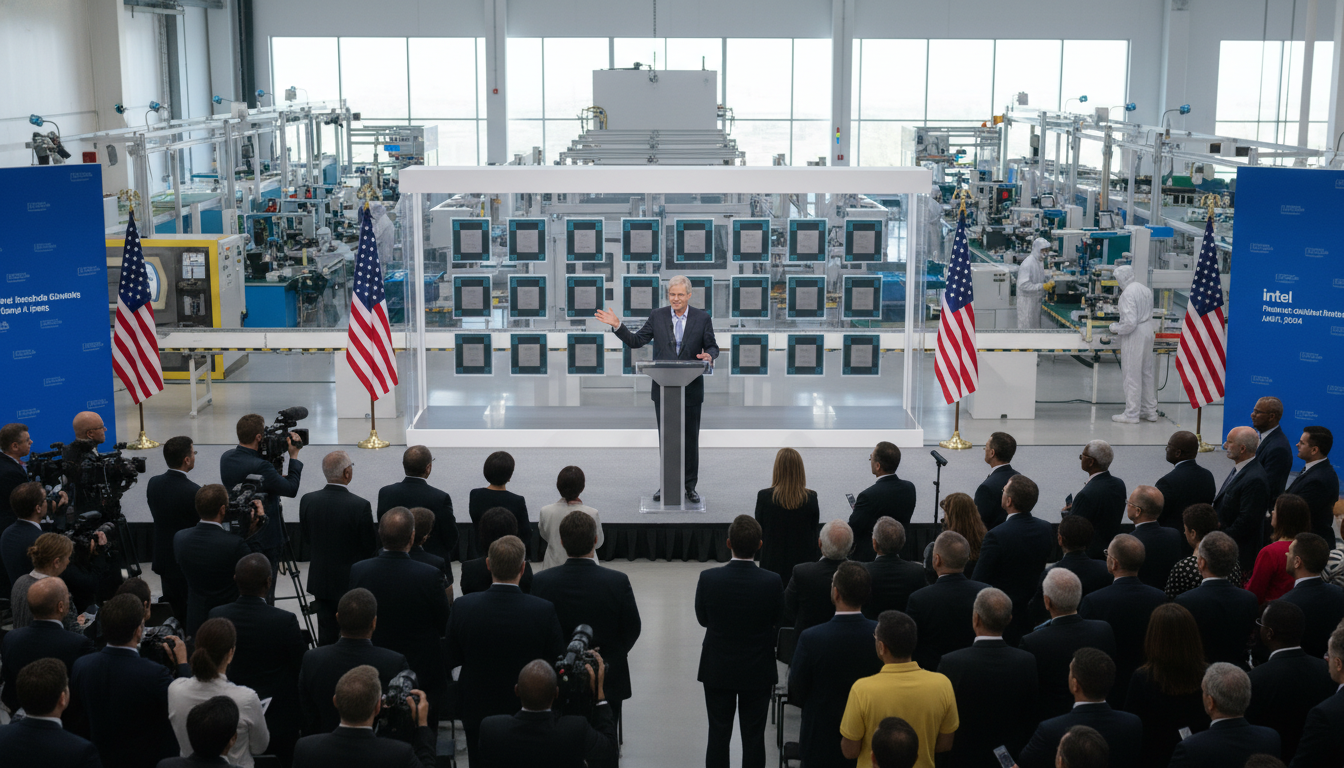
Intel has begun shipping its new Intel Xeon 6+ processors produced in the United States, marking a strategic push to supply data centers facing surging demand from artificial intelligence workloads. The rollout of the Intel Xeon 6+ family is aimed at regaining market momentum as global customers seek higher performance and more resilient supply chains. Production at Intel’s Arizona facility underscores the company’s move to onshore more advanced server CPU manufacturing during an industry-wide capacity squeeze.
Intel begins US production of Xeon 6+ for data centers
Intel confirmed that the Intel Xeon 6+ chips are being manufactured at its Arizona site, a facility the company has expanded in recent years to support server and accelerator production. The decision to produce the new generation domestically responds to both customer demand for closer supply and U.S. policy incentives encouraging local semiconductor fabrication.
The company positioned the Xeon 6+ launch as a milestone in its recovery plan for data-center processors, aiming to offer performance and reliability for large-scale cloud and enterprise deployments. Industry observers say U.S.-based production can shorten lead times and reduce logistical risk for hyperscalers and service providers.
Production scale-up tied to AI-driven demand surge
Semiconductor suppliers and cloud operators have reported rapidly growing demand for chips optimized for AI inference and training, putting pressure on established supply chains. Intel’s ramp of Xeon 6+ output is intended to address that heightened need for data-center CPUs as customers expand server fleets to support generative AI, large language models and specialized workloads.
The company is balancing capacity across fabs to meet both traditional CPU demand and the shifting requirements of AI customers, who increasingly purchase integrated solutions combining CPUs and accelerators. Analysts note that short-term supply constraints have given manufacturers with available capacity an opportunity to capture orders from customers facing long wait times elsewhere.
Design and performance positioning of Xeon 6+
The Intel Xeon 6+ family is billed as a data-center-focused line that optimizes performance per watt and platform compatibility for enterprise environments. Intel emphasizes system-level improvements, including memory, I/O and software stack optimizations, to better support AI inference at scale alongside conventional server tasks.
While vendors are careful not to disclose all technical details ahead of full commercial disclosures, Intel is marketing Xeon 6+ as a bridge between general-purpose CPUs and specialized accelerators, enabling customers to deploy mixed workloads without wholesale infrastructure changes. This positioning seeks to appeal to cloud providers and enterprises that require predictable performance across diverse applications.
Supply-chain implications and U.S. manufacturing strategy
Bringing Xeon 6+ production to Arizona reflects a broader industry trend toward geographic diversification and domestic capacity expansion. Companies and governments have prioritized resilience after pandemic-era disruptions and geopolitical tensions highlighted risks associated with concentrated manufacturing footprints.
U.S. fabrication offers benefits such as proximity to major cloud customers and reduced exposure to cross-border logistics delays. For Intel, onshoring advanced CPU production aligns with long-term investments in manufacturing capability and reinforces the company’s narrative of control over its supply chain.
Reactions from cloud providers and enterprise customers
Cloud operators and large enterprises have signaled interest in additional U.S.-sourced supply as they scale AI infrastructure. Shorter delivery schedules and stronger coordination with chipmakers are especially valuable for customers deploying model training clusters and inference farms that require predictable procurement timelines.
Some customers are expected to test Xeon 6+ in hybrid configurations, pairing the new CPUs with accelerators from various vendors to optimize costs and energy efficiency. Early adopters will likely focus on workloads that benefit from balanced CPU throughput and memory bandwidth rather than purely accelerator-bound AI training.
Competitive landscape and market outlook for server CPUs
Intel’s Xeon 6+ rollout arrives amid intense competition from other CPU and accelerator suppliers aiming to capture the AI-driven server market. Market share dynamics will depend not only on raw performance but also on supply reliability, price, software ecosystem maturity and total cost of ownership for cloud operators.
If Intel can sustain steady production at its Arizona facility and align software partnerships to accelerate deployment, the company may recover ground lost to rivals in recent years. However, long-term success will hinge on balancing core CPU development with investments in accelerators and ecosystem tools that customers increasingly demand.
Intel’s introduction of U.S.-made Intel Xeon 6+ processors marks a notable step in the company’s strategy to serve data-center customers during a period of intense AI-led demand. The move underscores how manufacturing location, supply-chain resilience and platform integration have become central factors in the race to equip the world’s servers for next-generation workloads.

