
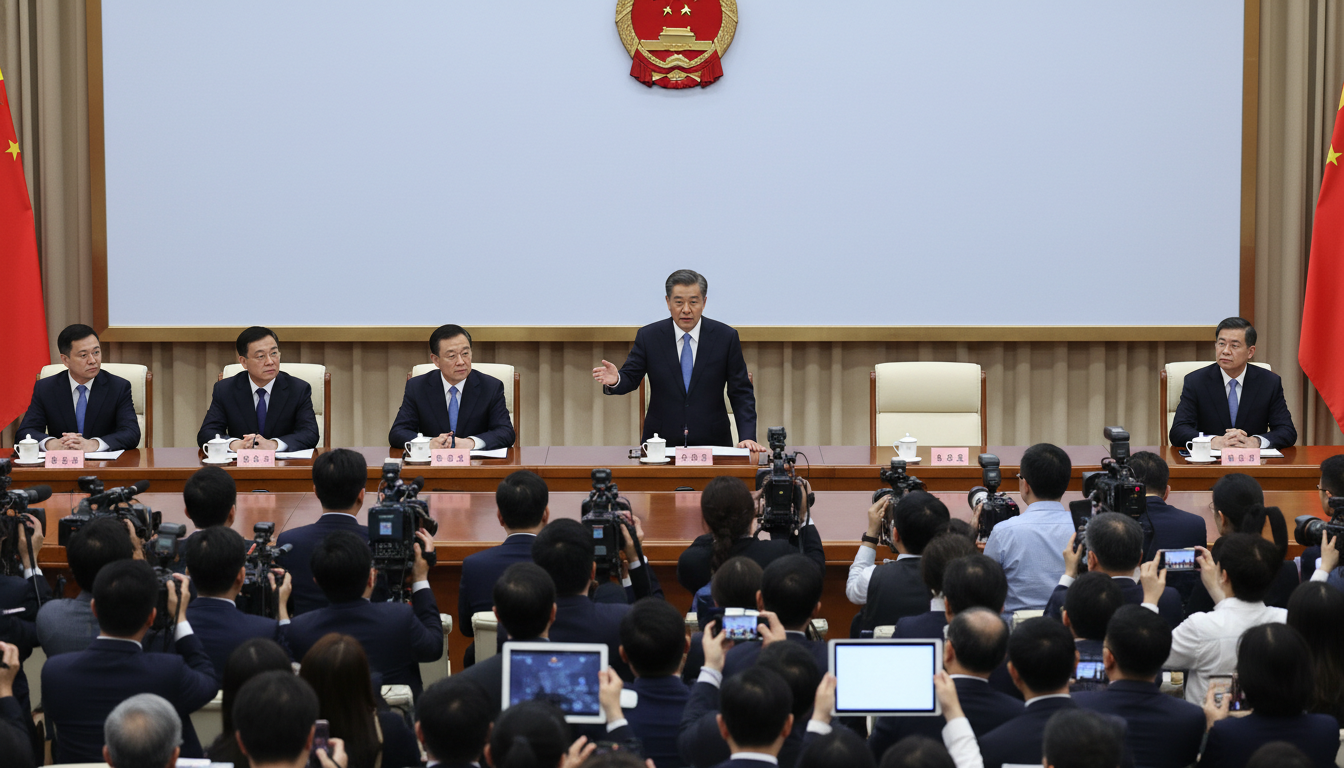
China issues new outbound investment rules to tighten control over overseas deals
China issues new outbound investment rules to curb overseas deals for national security, warning of retaliation against discriminatory foreign measures.
China on June 1 unveiled sweeping outbound investment rules designed to tighten government oversight of companies and individuals making investments abroad, saying the measures are intended to safeguard national security. The new outbound investment rules mark a major push by Beijing to regulate cross-border capital flows and to counter what it called discriminatory practices by foreign firms and governments. Officials warned that China may take retaliatory steps if foreign measures single out Chinese businesses, signaling heightened geopolitical risks for international investors.
Details of the new outbound investment rules
The regulations, released by Beijing on June 1, establish a broader legal framework for supervising outbound transactions involving strategic sectors and sensitive technologies. While the government framed the rules around national security, the text expands the authorities’ ability to review, restrict or block investments deemed risky.
Officials said the rules cover both corporate transactions and individual investors, and they set out clearer definitions for which outbound activities will trigger scrutiny. The package also signals tougher administrative penalties and tighter documentation requirements for deals that cross certain thresholds.
Who will be affected and what compliance may require
State-owned enterprises, private technology firms, and other companies with links to sensitive research and infrastructure are likely to face the most immediate impact. Financial institutions, venture capital funds and cross-border private equity arrangements will also need to reassess deal pipelines to ensure they meet the new disclosure and review expectations.
Compliance is expected to demand enhanced internal controls, new reporting lines and closer contact with regulators as firms seek to avoid administrative sanctions. Smaller investors and individuals who participate in overseas crowdfunding or direct acquisitions may also encounter additional paperwork or limits under the broadened rules.
Beijing frames move as protecting national security
Chinese authorities presented the measures as a defensive step to protect critical capabilities and national interests from external interference. The government linked the rules to the need for tighter oversight over technologies and assets that could affect public security, economic stability or defense readiness.
At the same time, Beijing signaled that the rules are a response to what it describes as discriminatory treatment of Chinese companies abroad. Officials warned that retaliatory measures could follow if foreign jurisdictions continue to enact policies perceived as targeting Chinese firms.
Business and market reactions to the announcement
Market participants and corporate counsel reacted cautiously to the announcement, saying the rules increase legal and regulatory uncertainty for cross-border strategies. Some firms have already paused outward transactions to review their exposure and to consult advisers on procedural steps required under the new regime.
Multinational companies that rely on partnerships with Chinese firms said they will watch implementing guidelines closely for clarity on permitted activities and timelines. Investors are also monitoring whether the rules will affect capital flows and valuations in sectors with heavy outbound activity, such as technology and natural resources.
International implications and the prospect of retaliation
The rules add a new dimension to trade and investment relations between China and its major partners, creating potential frictions in jurisdictions that have tightened rules on inbound investment. Beijing’s warning of retaliation raises the prospect of reciprocal measures and a more fragmented global investment landscape, analysts say.
Governments and companies overseas may need to weigh legal risks and political sensitivities when dealing with Chinese counterparties, particularly in sectors tied to national security. The announcement could prompt other capitals to reassess their own screening mechanisms and to coordinate on standards for cross-border investment reviews.
Implementation timeline and what to watch next
Regulatory bodies are expected to issue detailed implementing regulations and guidance in the weeks and months following the June 1 announcement. Those subsidiary rules will be crucial for businesses seeking to understand filing requirements, thresholds for review and any grandfathering provisions for deals in progress.
Corporate legal teams and industry associations will likely press regulators for interpretive guidance and transitional arrangements to reduce disruption. Observers will also watch for enforcement actions and public statements from Beijing that clarify how the rules will be applied in practice.
The new outbound investment rules mark a significant tightening of China’s control over capital moving beyond its borders and introduce an added layer of geopolitical risk for international deals. As regulators translate the framework into operational steps, companies both inside and outside China will need to move quickly to assess exposure, update compliance programs and engage with authorities to navigate the changing landscape.

