
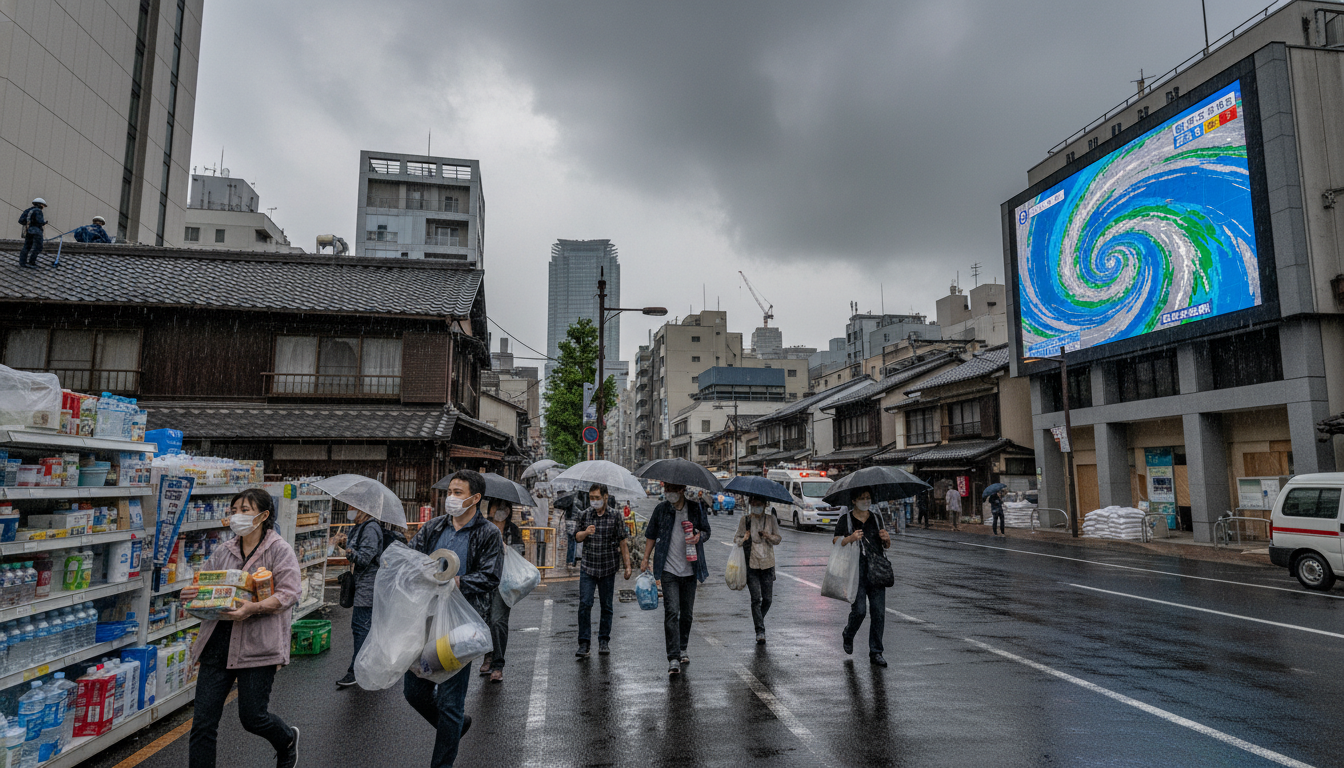
Typhoons in Japan: practical safety guidance for residents and visitors
Typhoons in Japan can bring extreme wind, rain and flooding between late summer and early autumn, and this guide explains how to stay safe before, during and after a storm. This article lays out where to find official warnings, how transport and services are likely to be affected, and clear steps to protect people, homes and property. Read on for practical, English-language advice tailored to urban residents and travellers in Tokyo and other high-risk areas.
Japan’s seasonal rise in tropical cyclones typically peaks from August through October, but powerful storms can form at other times of year. Super typhoons and strong tropical cyclones pose serious risks along coasts and in mountainous regions, while even smaller systems can disrupt city life. The guidance below focuses on authoritative sources, simple preparedness actions, and what officials commonly advise in the hours before landfall.
Typhoon season and risk zones
Late summer and early autumn represent the highest likelihood of tropical cyclones tracking toward Japan, with the northwest Pacific basin producing most systems. Typhoons form over warm ocean waters and gain strength before approaching land, so coastal prefectures and islands are exposed first and bear the greatest danger. Urban centres such as Tokyo can experience heavy rain and strong gusts, though damage is typically concentrated in lower-lying and exposed areas.
Risk varies by terrain and proximity to the sea; river basins, reclaimed land and coastal plains are especially vulnerable to flooding and storm surge. Mountainous areas face elevated landslide risk when heavy rain saturates slopes, and localized flooding can cut off roads and utilities. Residents and visitors should identify whether their accommodation lies in a flood-prone zone or near a river, and treat any official evacuation advice seriously.
Super typhoons are distinguished by sustained winds and can cause catastrophic damage, including widespread power outages and structural failures. Even when a storm is downgraded before landfall, associated rain bands may produce severe localized impacts. Because conditions can change rapidly, treat forecasts and warnings as dynamic and check them frequently as a storm approaches.
How authorities issue warnings and advisories
The Japan Meteorological Agency issues official forecasts and warning levels for typhoons, heavy rain, storm surge and high winds, and their bulletins are the primary source for planning and action. Local governments then translate national warnings into evacuation advisories and orders tailored to wards and municipalities. These local announcements may be broadcast via loudspeakers, mobile alerts and public signage, so attentiveness to official channels is essential.
NHK World provides English-language coverage of significant weather events, and many municipal websites offer basic guidance and lists of shelters in multiple languages. Emergency alert systems will push messages to mobile phones within affected areas, but those relying on non-Japanese devices should ensure location services and notifications are enabled. Social media accounts from municipal offices, transport operators and major broadcasters also carry rapid updates during active storms.
Schools, universities and workplaces often announce closures at short notice based on evolving conditions, and these decisions may appear only in Japanese. Students and staff should monitor institutional communication channels and official municipal pages. For travellers, accommodation providers typically notify guests of local advisories and may provide instructions on shelter-in-place procedures or the location of nearby evacuation centres.
Transport disruptions and travel advice
Rail networks, local trains and the Shinkansen may suspend operations or run limited services during typhoons, and airlines often cancel or delay flights for safety reasons. Port operations can be halted, ferries cancelled and roads temporarily closed by flooding or fallen debris. If you have travel plans during typhoon season, expect potential disruption and build extra time into your itinerary.
Taxis may operate during some storms but demand rises sharply and wait times lengthen; relying on private hire is not a guaranteed escape from disruption. If you plan to travel to or from an airport on days where a typhoon is forecast, keep your carrier’s notice channels open and check official airport statements for confirmations. For those using trains, consult operator announcements frequently and avoid travelling during peak storm windows.
If public transport is suspended, walking in strong winds and heavy rain carries significant risk, particularly in areas with loose signage, scaffolding or fallen branches. Avoid attempting to reach platforms or stations in dangerous conditions; instead, shelter where you are and await official clearance. For international travellers, contact your embassy or consulate if you need assistance or information in English.
Protect your home, balcony and belongings
Securing your accommodation ahead of a typhoon reduces the chance of injury and damage. Close and fasten all windows and doors, lower blinds or shutters where available, and remove or secure loose items on balconies such as potted plants, laundry poles or lightweight furniture. Small objects can become high-velocity projectiles in strong winds and cause injury or break windows.
Parked cars should not be left under trees or near unsecured structures where branches or debris could fall, and bicycles and motorcycles should be stored indoors or firmly anchored. If you live in a building with external scaffolding nearby, avoid standing or walking close to those areas during the storm due to the risk of collapse or falling materials. Pet owners should bring animals indoors and prepare sufficient food, water and a safe resting place.
An emergency kit is a core part of preparedness: include bottled water, non-perishable food, a flashlight with spare batteries, a battery-operated radio, a portable charger for mobile devices, necessary medications, basic first-aid supplies and copies of important documents. Store these items in an accessible, waterproof container so they are ready if power fails or you must relocate quickly. For longer stays or for those in higher-risk zones, consider additional supplies such as a spare power bank, a change of clothes and tarpaulin.
What to do during landfall
When a typhoon is imminent, remain indoors and away from windows and exterior glass. Strong gusts and flying debris create severe hazards, and standing near glass increases the risk of laceration injuries. Choose an interior room on the lowest level possible and keep a charged phone or radio nearby to receive live updates and instructions.
Avoid riverbanks, beaches and exposed shoreline even after the initial wind subsides; storm surge and tidal effects can produce sudden, dangerous currents. Do not attempt to drive through flooded roads, as water depth is often deceptive and can stall or sweep vehicles away. If instructed by local authorities to evacuate, do so promptly and follow designated evacuation routes rather than taking shortcuts through unfamiliar or damaged areas.
If power goes out, switch off electrical appliances to prevent surge damage when power returns, keep refrigerator doors closed to protect perishables, and conserve battery power on communication devices for urgent messages. Check on vulnerable neighbours if it is safe to do so and inform emergency services of serious incidents. Maintain a calm and measured approach; accurate information from authorities will guide recovery and movement decisions.
After the typhoon: checking damage and safety
Wait for official confirmation that it is safe to leave shelter before venturing outside, as falling debris and unstable structures remain hazards after the main storm passes. When you do go out, watch for downed power lines, flooded streets and damaged roads. Keep clear of damaged buildings and avoid walking through standing water, which may conceal hazards or be electrically charged.
Document any damage to accommodation or personal property with photographs and notes, and notify your building management or host promptly. If you are renting, contact the owner or agency for guidance regarding repairs and insurance claims. For major damage or life-threatening situations, contact emergency services immediately and follow instructions from local authorities.
If evacuation centres are in use, follow their rules and register so family members and officials can account for you. Be aware that some shelters are basic and may not provide all comforts, so bring your own supplies if possible. Community recovery can be lengthy; local governments will issue phased guidance on reopening services and cleaning up affected areas.
Practical preparation and routines to adopt before typhoon season
Take time well before a storm approaches to prepare both physically and mentally for the likelihood of disruption. Map out nearby evacuation centres, check the location of higher ground, and establish a communication plan with family or housemates that specifies meeting points and emergency contacts. Familiarity with local wards’ emergency pages can speed access to critical information when every minute counts.
Review insurance coverage and the process for filing claims in Japan if you possess property that could be affected. Keep digital scans of passports, insurance policies and important documents in a cloud account or on an encrypted USB drive. For longer-term residents, consider investing in basic storm-proofing such as window film or reinforced fixtures where permitted by building rules.
Regularly rehearse basic actions such as storing loose balcony items, moving vehicles away from trees and assembling your emergency kit. Encourage multilingual members of your household or network to monitor Japanese-language official updates and translate key instructions to those who do not read Japanese. Simple routines and early decision-making reduce last-minute stress and improve safety outcomes.
Practice situational awareness: if heavy rain continues for hours or rivers rise unusually fast, be prepared to move on short notice. Local authorities prioritize early evacuation for those in landslide-prone or floodplain zones, and complying with these orders is one of the most effective ways to avoid harm. Staying informed, planning ahead and listening to official guidance are the best defenses against the unpredictable course of a typhoon.
Prepare travel and work contingencies by anticipating delays and adjusting plans on typhoon-prone days. Where possible, avoid scheduling critical travel, surgeries or events in the peak months between August and October. Employers and educational institutions commonly operate contingency plans, so check policies on remote work or make-up days in advance.
Typhoons in Japan present recurring but manageable risks when preparation is prioritized and official guidance is followed. By knowing where to get reliable warnings, securing your immediate environment, and respecting transport and evacuation directives, residents and visitors can reduce danger and disruption. Maintaining calm, planning ahead, and acting promptly when authorities issue orders are essential to staying safe through the storm and its aftermath.

