
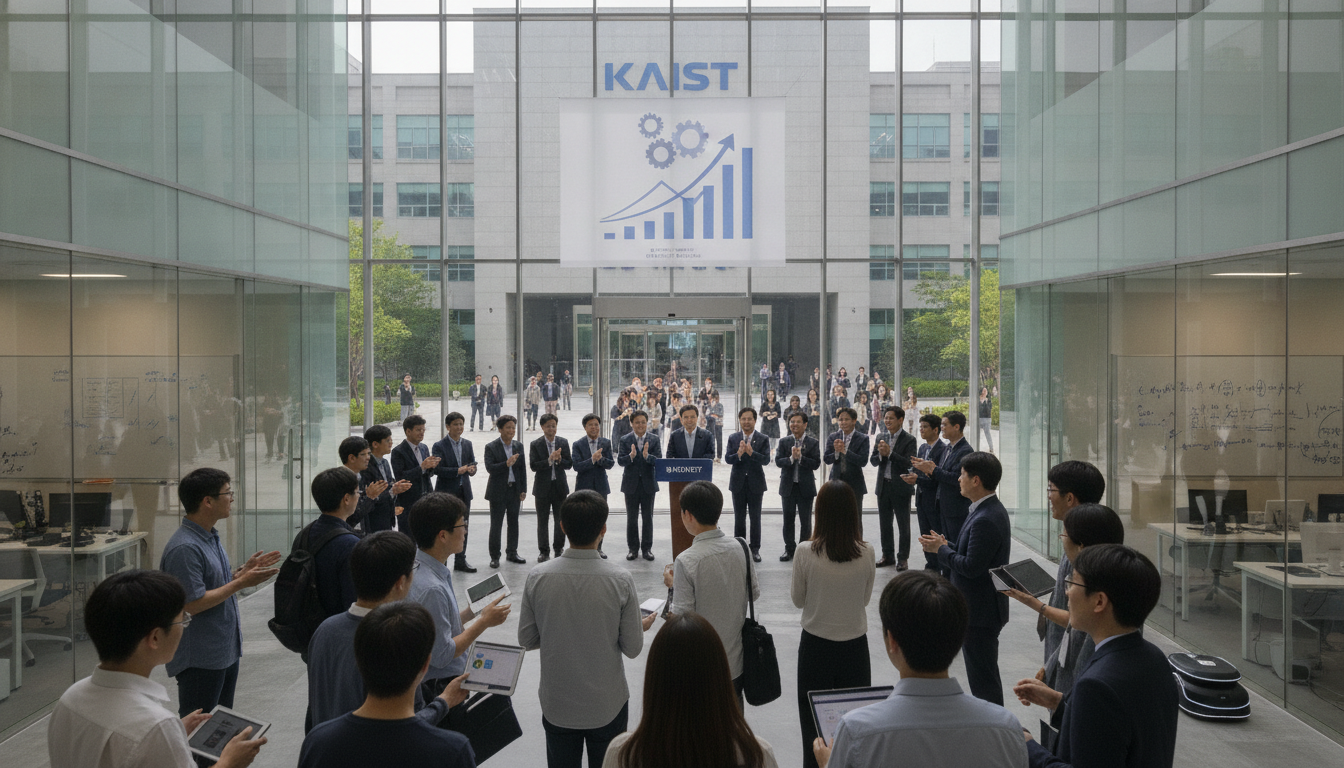
KAIST startups drive South Korea’s surge in university-born entrepreneurship
KAIST startups are launching hundreds of ventures backed by university funding, labs and mentorship, achieving a high survival rate and strengthening ties with industry partners worldwide.
KAIST startups have become a central force in South Korea’s innovation landscape, with the university increasingly operating as an active incubator rather than just a place of learning. University-backed funding, shared laboratories and structured mentorship programs are helping students and faculty turn research into viable companies. The result is a steady stream of new firms across sectors from robotics to biotech, many of which have survived the notoriously difficult early years of startup life.
KAIST propels hundreds of ventures through targeted support
The Korea Advanced Institute of Science and Technology has shifted resources to nurture entrepreneurship at scale, creating a pipeline that funnels ideas into companies. Campus initiatives include seed grants, subsidized office space and access to engineering workshops that reduce early capital barriers for founders. These measures have translated into hundreds of spinouts in recent years, reflecting a deliberate institutional strategy to commercialize research.
Administrators point to an ecosystem that blends academic research with practical support, enabling teams to prototype faster and validate business models sooner. The institution’s approach emphasizes hands-on assistance throughout the first three to five years of a venture’s life, a period when many startups traditionally fail. That sustained institutional backing is a distinguishing feature of the KAIST model.
Funding, labs and incubation keep ventures moving
Central to the growth of KAIST startups is a combination of direct funding and in-kind resources that lower the cost of experimentation. The university provides early-stage grants and connects founders with public and private investors to bridge follow-on financing gaps. Physical infrastructure — including shared laboratories, clean rooms and testing facilities — allows startups to develop prototypes without the expense of building standalone facilities.
This integration of capital and facilities shortens development cycles and attracts talent that might otherwise join established companies. The availability of prototyping tools and clinical testing partners has been particularly important for teams working on hardware and medical technologies. By absorbing some of the fixed costs of R&D, KAIST reduces the early financial risk for nascent firms.
Mentorship and industry partnerships accelerate market entry
KAIST’s entrepreneurship programs pair founders with experienced mentors from industry, alumni networks and academic departments, providing guidance on commercialization, regulation and go-to-market strategies. These mentorship ties frequently evolve into commercial partnerships, pilot contracts and supplier relationships that help companies scale. Formal collaboration agreements with corporations and hospitals also create routes for real-world testing and early revenue.
The university has expanded its external engagement to include corporate accelerators and venture arms that co-invest in promising teams. For capital-hungry sectors such as healthcare technology, those links have been vital in moving projects from lab benches to clinical trials and marketable products. The presence of industry partners on campus has helped startups refine offerings to meet clear customer needs.
Health tech and robotics emerge as prominent sectors
Among the KAIST startups visible on campus are companies focused on robotics, medical devices and AI-driven diagnostics, reflecting the university’s research strengths. A recent image from KAIST’s entrepreneurship institute shows Dean Bae Hyeon-min standing next to a medical robot, symbolizing the convergence of clinical research and commercial ambition. Founders in these fields leverage campus engineering expertise alongside clinical collaborations to accelerate product development.
The concentration in healthcare and robotics is partly a response to market opportunity and partly a result of available lab infrastructure. Startups in these areas tend to require more substantial early investment and longer development timelines, yet they also offer larger potential payoffs when regulatory hurdles are cleared. KAIST’s model of providing shared facilities and regulatory guidance makes it feasible for smaller teams to compete in these capital-intensive arenas.
Leadership plans to scale global outreach and commercialization
University leaders have signaled plans to deepen international partnerships and encourage cross-border commercialization as a next phase of development. Efforts include facilitating introductions to foreign investors, supporting international pilot projects and promoting KAIST startups at global tech events. The goal, officials say, is to turn campus-born firms into internationally competitive companies that can tap larger markets beyond Korea.
Scaling internationally will require sustained support for market entry, intellectual property strategy and compliance with diverse regulatory regimes. KAIST intends to expand mentorship networks and advisory boards to include more overseas specialists who can guide founders through those transitions. Institutional commitment to long-term backing will remain central to the strategy as startups move from domestic testing to global deployment.
KAIST’s evolving role as a launchpad for entrepreneurship illustrates how a research university can shape a national innovation ecosystem. By combining funding, infrastructure and strategic industry links, the institute is helping student and faculty founders navigate early-stage challenges and scale promising technologies into commercial ventures. The result is a growing cohort of KAIST startups that are not only surviving the early years but increasingly positioning themselves for regional and global growth.

