
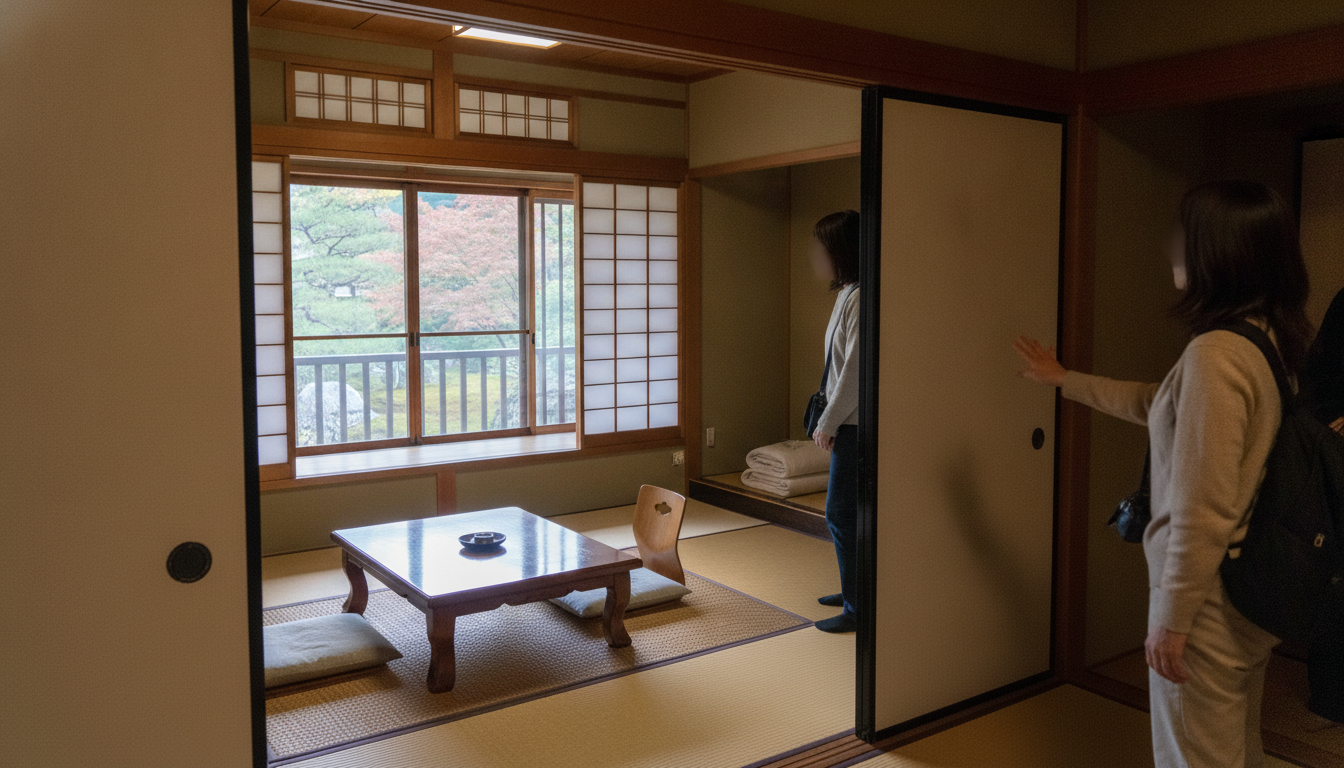
Zenkoji private rooms open at historic Rengein shukubo after major refurbishment
Rengein, a shukubo on the grounds of Zenkoji Temple in Nagano, has reopened with Zenkoji private rooms available to domestic and international visitors following a major refurbishment, offering modern comforts while preserving temple traditions.
Rengein Reopens After Refurbishment
Rengein, a traditional shukubo once reserved for monks and pilgrims, has been converted into modern lodgings and now offers Zenkoji private rooms for overnight stays. The refurbishment aims to make the temple precincts more accessible to travellers while retaining the building’s historic fabric. Operators say the facility can host around 20 guests per night, targeting both domestic travellers and international visitors.
Room Layout and Guest Experience
The new accommodations blend tatami-floored private rooms with contemporary amenities to meet guest expectations for comfort and privacy. Common areas remain designed to reflect the shukubo’s spiritual origins, providing quiet spaces for reflection and communal interaction. Guests can expect a balance of traditional atmosphere and modern convenience tailored to short stays and overnight pilgrimage visitors.
Culinary Offerings and Daily Routines
Shukubo traditionally provide temple cuisine and simple daily schedules, and Rengein’s reopening retains elements of that heritage. Visitors typically find options aligned with the temple’s ethos, such as vegetarian dishes inspired by Buddhist culinary practice. Morning rituals and opportunities to learn about temple life are being offered selectively to enrich the visitor experience.
Historic Significance of Zenkoji Temple
Zenkoji is one of Japan’s most historically important Buddhist sites and has drawn pilgrims to Nagano for centuries. Its role in local religious life and cultural memory makes any change to lodgings on the temple grounds especially sensitive. The refurbishment project was presented as an effort to sustain temple traditions while adapting to contemporary tourism trends.
Impact on Nagano Tourism and Local Economy
Local officials and tourism stakeholders anticipate the reopening will extend visitor stays in Nagano city and the surrounding region. By adding overnight capacity on temple grounds, the project aims to diversify accommodation options beyond hotels and ryokan, which may help spread tourist spending more broadly. Seasonal demand around festivals and pilgrimage periods is likely to test booking systems and hospitality capacity in the coming months.
Access, Capacity and Practical Information
Rengein sits within the temple precincts in Nagano and is reachable by public transport from major regional hubs, making it a practical option for visitors planning an overnight stay. With roughly 20 guests accommodated each night, the facility is intended for small groups and individual travellers rather than large tour parties. Booking in advance is advisable during peak travel periods, when demand for temple-based lodging can be high.
Heritage Conservation and Modernization Balance
The project highlights a broader trend in Japan of adapting religious sites for sustainable cultural tourism while respecting conservation needs. The refurbishment appears to have preserved key architectural and spiritual features of the shukubo, even as it introduced upgrades aimed at international travellers. Stakeholders say that maintaining the integrity of the temple environment was a priority during design and construction.
The reopening of Rengein and the introduction of Zenkoji private rooms mark a notable step in how historic religious sites in Nagano are engaging with modern tourism. By offering overnight stays within the precincts, Zenkoji aims to give visitors closer access to the temple’s cultural landscape while supporting local economic activity.

