
Pickleball Boom Reaches Coimbatore as Clubs and Cities Embrace the Fast-Growing Game
Pickleball’s setup and social appeal are driving rapid growth in Coimbatore and India, spurring new courts, clubs, coaching and a growing equipment market.
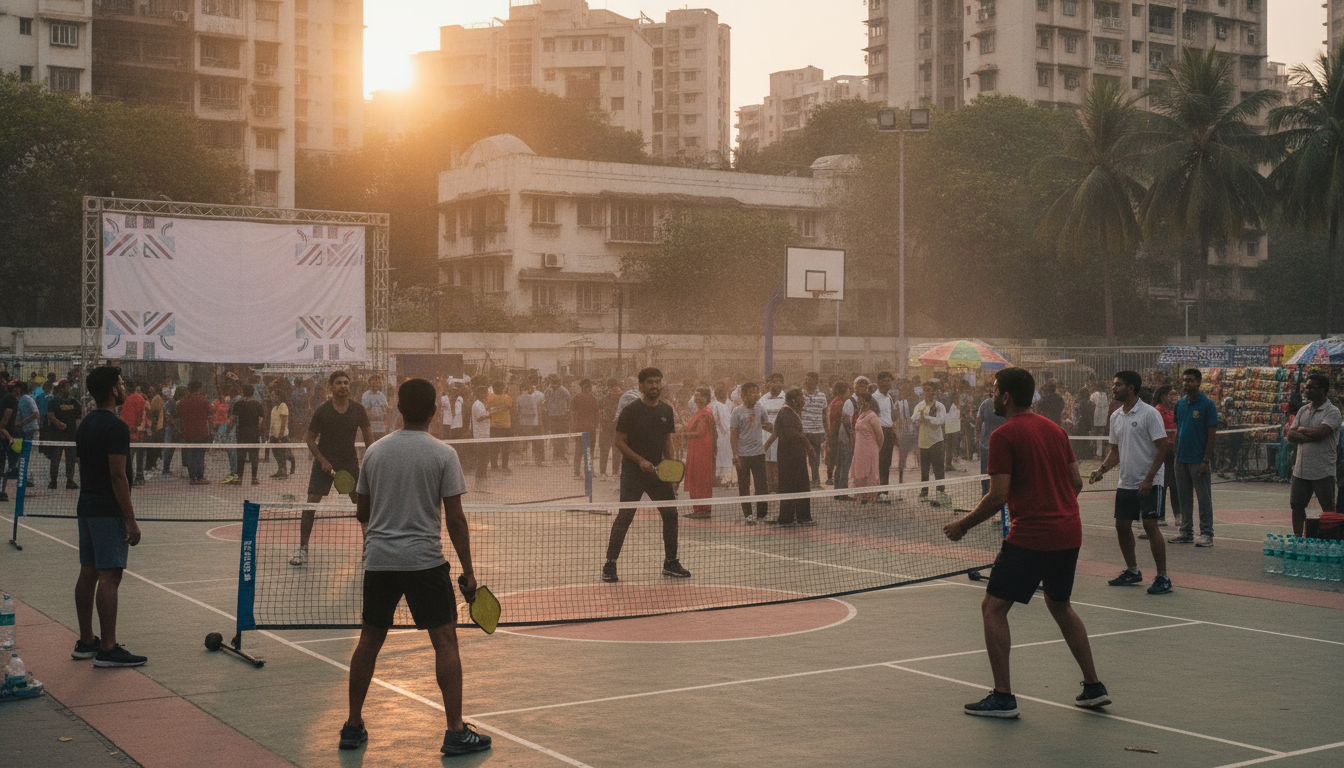
Pickleball has moved from niche curiosity to a visible urban pastime in Coimbatore, with private facilities and community groups reporting steady increases in players of all ages. The Sport Hive complex in Tamil Nadu exemplifies the trend, where doubles matches and beginner sessions now fill courts throughout the week. Organizers and players say the sport’s low-cost equipment and short learning curve are central to its appeal across generations.
Pickleball’s Rapid Uptake in Coimbatore and Other Indian Cities
Grassroots interest has spread quickly beyond Coimbatore, appearing in shopping-mall courts, apartment complexes and public parks in several metropolitan areas. Enthusiasts cite the sport’s adaptability to small spaces and compatibility with existing racket-sport infrastructure as a reason for fast adoption.
Local facilities report that weekend sessions attract both families and office workers looking for social exercise, while weekday classes draw senior players seeking low-impact activity. The combination of fitness, competition and social interaction helps explain why pickleball courts are becoming a common sight in urban leisure planning.
Clubs and Community Centers Are Converting Courts for Play
Many private clubs and community centers have repurposed underused badminton or tennis courts to accommodate pickleball, installing portable nets and new line markings. This pragmatic approach reduces start-up costs and allows venues to test demand before committing to permanent courts.
Operators also emphasize scheduling flexibility: short matches and rotational play let more groups use the same space, increasing facility revenue without heavy capital investment. Indoor complexes report steady bookings for coaching sessions, small tournaments and casual drop-in play.
Players From Teens to Seniors Are Taking Up the Sport
Coaches and club managers note that pickleball’s accessibility makes it attractive to teenagers as well as retirees, creating rare intergenerational playing fields. Young players appreciate the speed and tactical elements of the game, while older participants value its lower physical strain compared with high-impact racket sports.
This broad appeal has encouraged family-oriented programming, with clubs running mixed-age clinics and community leagues. The social element—post-game chats, shared refreshments and clubhouse interaction—has become as important as on-court competition for many participants.
Small Businesses and Coaches Are Building a New Market
Entrepreneurs have responded to rising interest by supplying paddles, balls and modular nets, and by offering coaching packages tailored to beginners. Local sports shops report a steady uptick in sales of lightweight paddles and comfortable court shoes geared toward recreational players.
Coaches have found demand for structured lessons, group workshops and technique clinics, creating part-time income streams and, in some cases, full-time coaching enterprises. Event organizers are also testing small prize tournaments and exhibition matches to sustain engagement and build local rivalries.
Municipalities and Clubs Consider Regulation and Court Standards
As more players take to converted courts, municipal authorities and sports clubs are beginning to discuss safety, scheduling and standards for permanent installations. Some local councils are evaluating guidelines to ensure multi-use courts meet line-marking and surface requirements for different sports.
Officials and venue managers are also weighing noise, lighting and community use concerns as courts move into residential or mixed-use areas. Clear policies on court allocation and booking systems are seen as necessary to reduce conflicts and manage growing demand.
Challenges Remain Around Space, Training and Organized Competition
Despite rapid expansion, the sport faces constraints linked to limited urban space, variable court quality and a shortage of certified referees for competitive play. Organizers say standardizing court dimensions and investing in dedicated surfaces will be important for the sport’s long-term credibility.
There are also calls for more structured pathways for junior development and intercity competition if pickleball is to transition from recreational pastime to organized sport. Addressing injury prevention, coaching accreditation and consistent rules will shape how quickly the game can professionalize in India.
The current surge in pickleball activity in Coimbatore and other Indian cities reflects broader shifts in urban leisure preferences toward affordable, social physical activity. Continued growth will hinge on coordinated efforts by clubs, local businesses and municipal authorities to expand access, ensure safety and nurture competitive opportunities for players at every level.

