
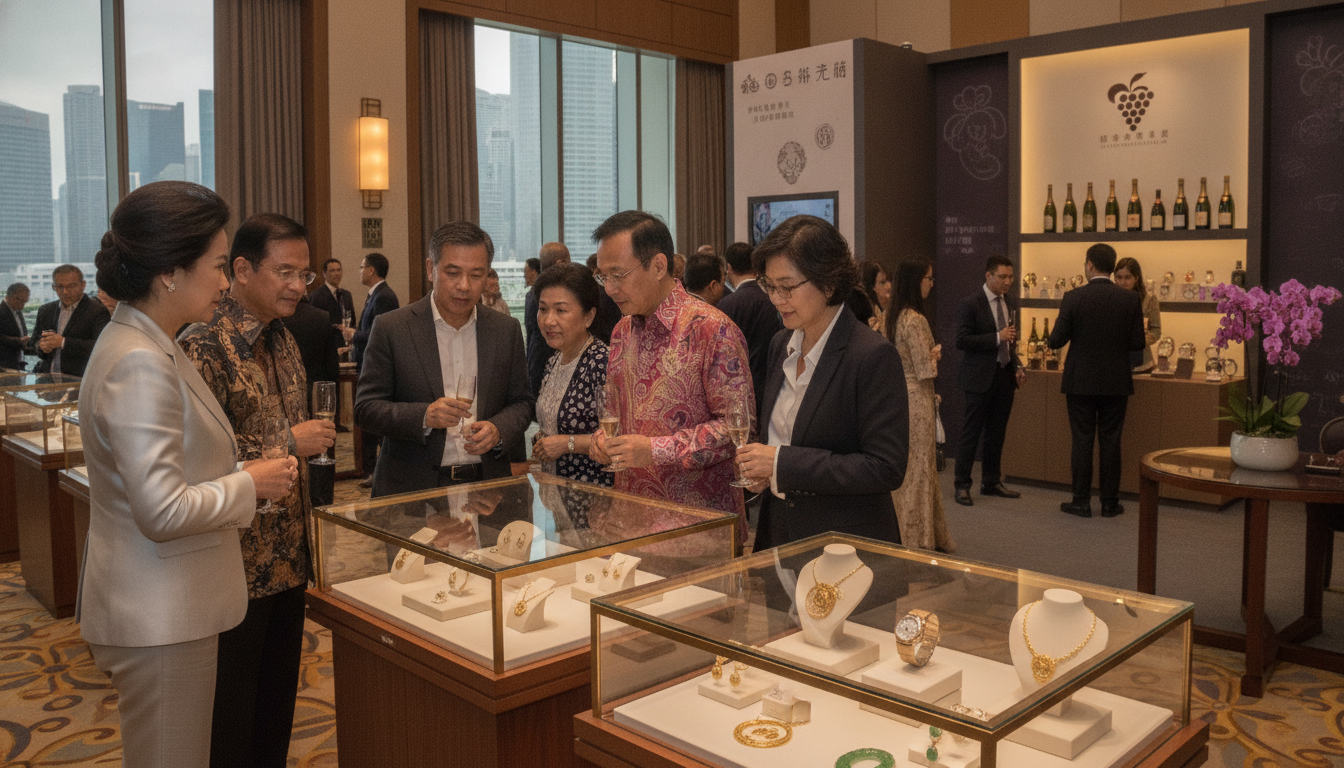
Chinese brands in Southeast Asia target affluent buyers with jewelry, watches and wine
Chinese brands in Southeast Asia shift from electronics to luxury goods, racing to capture affluent consumers with region-specific jewelry, watches and curated wine selections.
China’s biggest retailers and manufacturers are increasingly selling jewelry, watches and wine across Southeast Asia as they chase rising local wealth and returning tourist flows. The move — evident in stores such as Chow Tai Fook’s Bangkok outlets, where staff display Thailand‑exclusive gold elephant figurines and Buddha pendants — shows a deliberate pivot by Chinese brands in Southeast Asia toward higher‑margin lifestyle goods. Retailers and manufacturers say the region’s expanding affluent class and strong travel demand are reshaping their regional strategies.
Chow Tai Fook’s Bangkok expansion reflects broader strategy
Chow Tai Fook has expanded its footprint in Bangkok with merchandise tailored to Thai shoppers and visitors, including locally themed pendants and small gold figurines. Store staff describe these items as part of a deliberate product mix intended to appeal to both Thai consumers and international tourists seeking culturally resonant souvenirs. The brand’s approach in Bangkok — blending global brand recognition with local design cues — is being replicated by other Chinese retailers targeting Southeast Asia’s premium segment.
From cars and TVs to jewelry and wine
Chinese firms that once focused on selling cars, televisions and household electronics are redirecting investment toward personal luxury categories such as fine jewelry, watches and imported wine. Industry analysts say margins in these categories are higher and consumer demand has shifted as personal discretionary spending rises. The pivot also reflects Chinese companies’ growing comfort with operating international retail networks and using omnichannel sales tactics, from flagship stores to livestream commerce.
Products tailored to local tastes and travel patterns
Brands are designing region‑specific assortments and limited editions to resonate with local customs and tourist preferences. In Thailand, that means Buddhist imagery and animal motifs that carry cultural significance, while other markets see different localized choices. Retailers are also timing launches and promotions to match peak travel seasons and festivals, betting that tourists and affluent locals will pay premiums for items that signal place and provenance.
Retail tactics: experiential stores and omnichannel reach
Chinese brands are combining physical stores with digital marketing, using immersive in‑store displays and social media campaigns to drive traffic. Many are employing livestreaming, influencer partnerships and targeted e‑commerce to convert interest into sales. In cities such as Bangkok and Singapore, retailers are investing in larger, experience‑oriented stores where customers can engage with products in curated settings, while cross‑border logistics enable them to offer wider selections online.
Competitive landscape and regulatory considerations
The drive into jewelry and wine puts Chinese entrants up against established European and local luxury houses as well as long‑standing regional jewelers. Success will hinge on pricing, brand perception and after‑sales service, particularly for high‑value items. Companies must also navigate import rules and taxation differences across Southeast Asian markets, which can affect retail pricing and profitability.
Economic tailwinds and potential headwinds
Rising incomes and the rebound in international tourism are the main tailwinds supporting Chinese brands’ push into personal luxury categories. However, external risks remain, including currency volatility, shifts in consumer sentiment and potential geopolitical frictions that could affect cross‑border commerce. Retailers say they are monitoring macroeconomic indicators closely and adjusting inventory and marketing plans to limit exposure to sudden demand swings.
Chinese brands in Southeast Asia are also responding to market signals by emphasizing quality control, transparent sourcing and certified authentication for items such as gold jewelry and fine wines. These steps aim to build trust with discerning buyers and differentiate offerings from lower‑priced alternatives in the market.
The broadening of product portfolios represents a strategic recalibration by Chinese companies that see Southeast Asia as a growth corridor for higher‑margin goods. By combining local insights with larger supply‑chain capabilities, these brands hope to capture a share of spending by the region’s affluent and international visitors.
Chinese brands in Southeast Asia face a competitive test as they shift into jewelry, watches and wine, but early moves — including Thailand‑specific collections and enhanced retail experiences — indicate the market is a priority for expansion. The coming year will show whether these strategies convert interest into sustainable market share.

