
Webull launches commission-free U.S. equities trading in Japan
Webull launches commission-free U.S. equities trading in Japan, the first broker to drop fees — likely to prompt rivals to follow amid rising retail investing.
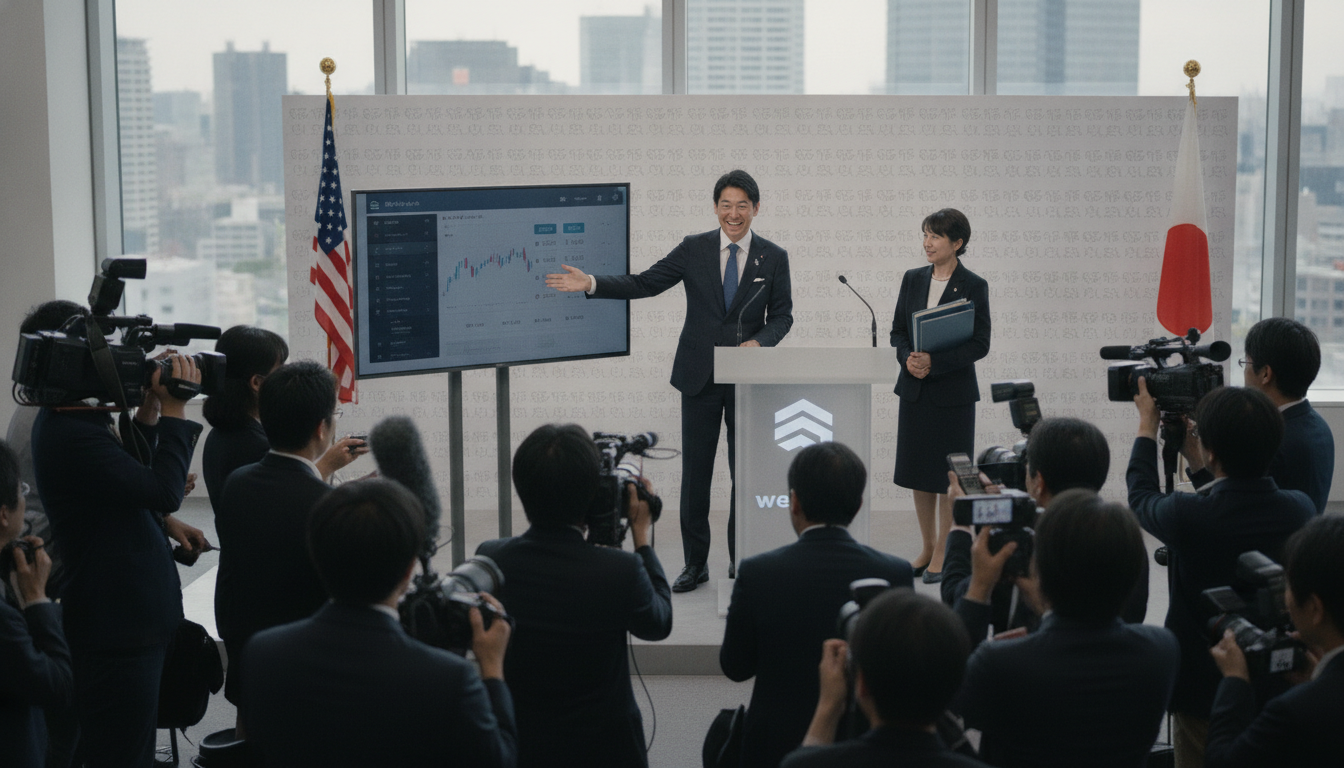
Tokyo — Webull Financial said it will offer commission-free trades for U.S. equities to customers in Japan, becoming the first brokerage in the country to eliminate those fees. The move introduces commission-free U.S. equities trading to Japanese retail investors and is expected to intensify competition among online brokerages. Webull’s app, which the company says has been downloaded 55 million times since its founding in 2016, will serve as the platform for the new offering.
Webull removes commissions for U.S. stocks
Webull’s announcement removes per-trade commissions on buying and selling U.S.-listed shares for retail customers in Japan. The firm framed the change as part of a broader push to lower barriers to access global equity markets for individual investors.
Industry observers said the decision follows a global trend of zero-commission retail trading and is timed to capture growing interest in international equities among Japanese savers. By positioning itself as the first in the domestic market to drop these fees, Webull aims to expand market share quickly.
Competitive pressure on Japanese brokerages
Analysts expect established Japanese brokerages, including both traditional houses and online platforms, to reassess their fee schedules in response to Webull’s move. Firms that rely on per-trade commissions may face pressure to reduce rates or introduce new service tiers to retain clients.
Some competitors have already been trimming fees and offering discounts to attract younger, digital-native investors. Webull’s zero-commission policy for U.S. stocks could accelerate price competition and spur product innovations such as fractional shares or bundled services.
Impact on retail investors and trading volumes
For retail investors, commission-free U.S. equities trading reduces transaction costs and could change portfolio allocation decisions. Lowered fees make smaller, diversified positions in overseas companies more feasible for households that previously avoided cross-border trading due to cost.
Market participants caution, however, that commission-free execution does not eliminate other costs such as foreign exchange spreads, custody fees, or taxes on dividends and capital gains. These ancillary charges will influence the overall economics of investing in U.S. securities from Japan.
Webull’s scale and customer acquisition strategy
Webull has built scale through a mobile-first approach and aggressive customer acquisition campaigns since its 2016 launch. The company cites tens of millions of downloads globally, and the Japan commission change appears targeted at converting local retail interest into active, funded accounts.
Industry sources note that zero-commission offerings are often used as loss leaders to drive higher-margin revenues from lending, margin trading, order flow arrangements, or subscription services. Webull will likely pair the fee cut with features intended to increase engagement and monetization over time.
Revenue model and potential margin effects
Removing commissions on U.S. trades will compress per-trade revenue unless offset by alternative income streams. Webull can monetize increased activity through margin interest, payment for order flow where permitted, securities lending, and value-added services such as data feeds or premium tools.
The balance between volume-driven growth and margin pressure will be critical for the firm’s profitability in Japan. Investors and analysts will watch whether the commission change leads to a large uptick in active traders and whether ancillary fees can compensate for lost commission income.
Regulatory considerations and market stability
Regulators in Japan and abroad have scrutinized the implications of zero-commission models, particularly where payment-for-order-flow practices can create conflicts of interest. Authorities may monitor execution quality, transparency of fees, and disclosures to retail clients to ensure fair outcomes.
Market participants also highlighted operational risks tied to heightened retail activity, such as order congestion, execution delays, and increased volatility in small-cap or highly traded U.S. stocks. Firms expanding zero-fee offerings must maintain robust systems and clear communication to manage those risks.
Webull’s introduction of commission-free U.S. equities trading marks a notable shift in the Japanese retail brokerage landscape and is likely to prompt swift responses from competitors. The initiative could broaden access to overseas markets for individual investors, but its ultimate impact will depend on how Webull and rivals balance customer acquisition with sustainable revenue models and regulatory expectations.

