
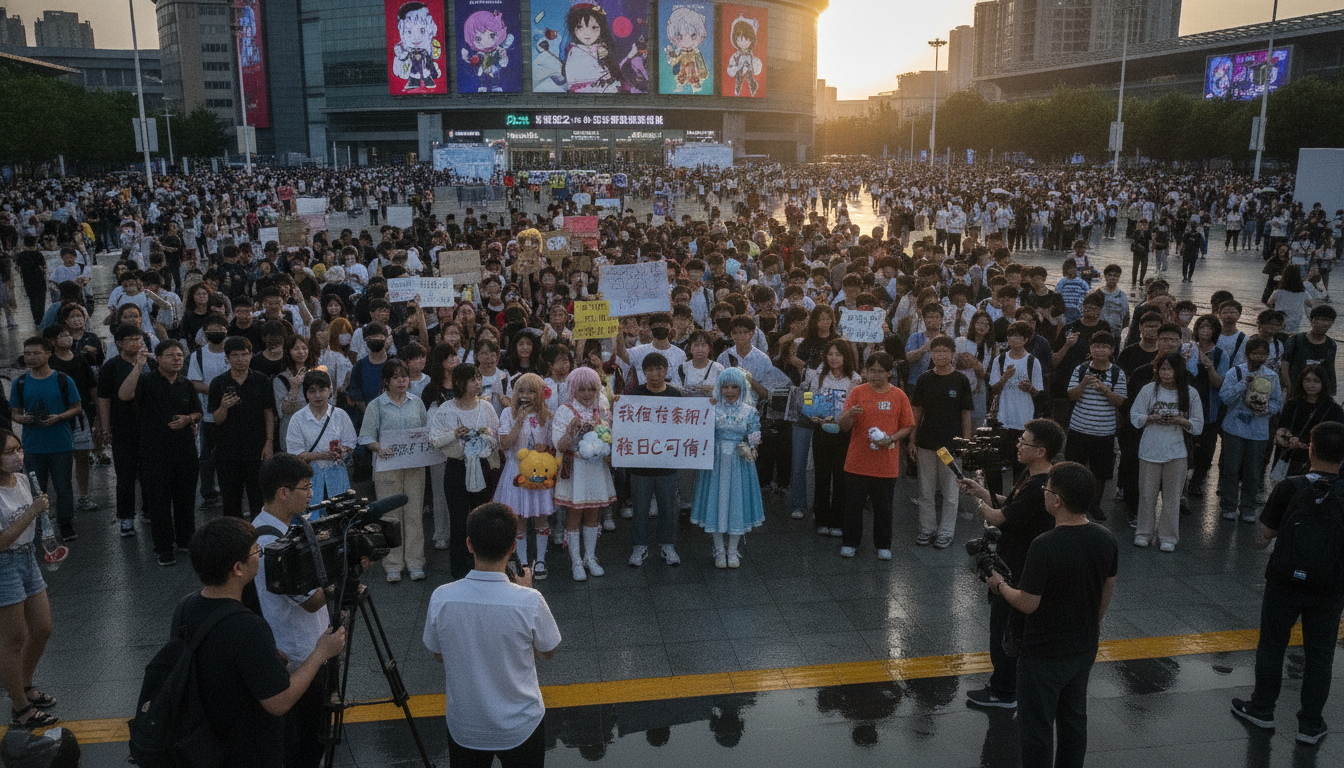
Bilibili World opens in Shanghai without Japanese acts as fans flock to Sony and anime booths
Bilibili World in Shanghai began with no Japanese artist performances on the program, highlighting strained ties but strong fan demand for Japanese media and corporate presence.
Bilibili World in Shanghai opened Friday with a conspicuous absence of Japanese artist performances on the official schedule, a detail that underscored broader diplomatic frictions even as attendees sought out Japanese games, anime and corporate booths. Fans packed exhibition halls and queued for branded pavilions, making clear that consumer appetite for Japanese content remains robust despite the programming gap. Organizers said the published lineup did not include Japanese performers, prompting questions about programming choices and the wider cultural climate.
No Japanese Acts on the Schedule
The festival’s published program listed stage acts and guest appearances but included no artists from Japan, a contrast to prior editions and other regional fan events. Attendees and observers noted the omission amid ongoing regional tensions that have affected cross-border cultural exchanges in recent years. Event staff declined to speculate on political influences but confirmed the schedule reflected commitments finalized weeks before the opening.
Cosplay and Fan Culture Remain Central
Cosplayers filled aisles and photo areas, many dressed as popular Japanese characters, signaling that fandom itself has not diminished. Groups formed impromptu parades and photo shoots around corporate booths, underscoring how grassroots community activity continues to drive festival energy. Organizers estimated heavy turnout across weekend sessions, with cosplay competitions and meetups among the most crowded attractions.
Sony and Japanese IP on Display
Despite the lack of Japanese performers, major Japanese companies maintained a visible presence on the floor, most notably a Sony Group pavilion that attracted steady lines. The Sony booth showcased games, hardware demonstrations and branded experiences tied to Japanese intellectual property, proving that corporate ties and licensing deals still reach Chinese consumers. Representatives at the booth said their focus was on product engagement and market outreach rather than public performances.
Merchandise Demand Outstrips Programming
Merchandise stalls selling Japanese anime goods and licensed collectibles sold rapidly throughout the day, indicating strong consumer demand independent of live acts. Vendors reported brisk business in figures, apparel and limited-edition items linked to popular Japanese franchises. Market analysts say physical sales at events like Bilibili World remain an important revenue stream for both domestic resellers and foreign IP holders.
Streaming Platforms and Content Strategy
Online platforms like Bilibili continue to serve as the principal gateway for Japanese animation and music, and executives at the festival emphasized digital distribution over live touring. Streaming partnerships and licensed uploads allow Japanese content to reach Chinese audiences even when performers do not appear in person. Platform officials said programming choices balance licensing constraints, regulatory considerations and audience trends when assembling festival lineups.
Diplomatic Climate and Cultural Exchange
Observers connected the absence of Japanese artists to a broader context of cautious cultural exchange between China and Japan, though direct causation was not confirmed by organizers. Cultural events often reflect the ebb and flow of diplomatic relations, with programming decisions made amid regulatory and commercial calculations. Attendees expressed disappointment over the missing performances but many framed the gap as temporary, pointing to decades of shared pop-culture consumption that transcends short-term political shifts.
Opportunities for Local Creators and Collaboration
Local Chinese creators and exhibitors leveraged the festival to showcase original content inspired by Japanese aesthetics, highlighting the hybrid creative ecosystem that Bilibili World fosters. Panels and workshops featuring developers, artists and independent studios drew strong interest, suggesting that collaboration and adaptation are ongoing even when direct imports are limited. Several booths announced forthcoming partnerships and licensing talks, indicating potential routes for renewed cultural exchange.
Fans left the venue with mixed impressions: frustrated by the absence of Japanese live acts yet energized by the breadth of content on display and the visible interest from major Japanese companies. Bilibili World’s weekend schedule may not include every international performer, but the sustained demand for Japanese media and the commercial presence of brands such as Sony suggest that cultural and market links remain significant and likely to evolve rather than vanish.

