
Surge in cosmetic procedures in South Korea raises strains on local healthcare
Record numbers of Chinese and Japanese patients seek cosmetic procedures in South Korea, boosting clinics but straining hospitals and prompting regulatory debate.
South Korea is experiencing a sharp rise in cosmetic procedures in South Korea driven by foreign visitors, particularly from China and Japan, creating both economic opportunity and pressure on the domestic healthcare system. Clinic waiting rooms and aesthetic districts such as Gangnam are seeing sustained demand for surgeries and non-surgical treatments, while public hospitals report capacity and staffing challenges. Health policymakers and medical associations are increasingly warning that the growth of medical tourism needs tighter oversight to avoid adverse effects on patient safety and access for local residents.
Foreign patient numbers reach record levels
Hospitals and private clinics across Seoul and surrounding regions report that foreign patients now represent a significant share of cosmetic procedure bookings. Many clinics have expanded language services, marketing and package offerings to appeal to Chinese and Japanese visitors seeking surgical and non-surgical aesthetic treatments.
Clinic operators attribute the rise to aggressive cross-border marketing, social media influencers, and perceived quality and value. Officials and independent observers say the trend has accelerated as travel resumed following pandemic restrictions, producing what many describe as record levels of medical tourism.
Pressure on public hospitals and emergency services
Public hospital administrators say emergency departments and inpatient wards are experiencing spillover effects as some cosmetic patients require unplanned follow-up care or emergency treatment. That situation, they say, can divert resources from routine care and lengthen waits for local patients needing non-cosmetic services.
Medical staff report additional strain from managing complications after procedures performed at private clinics, including infections and post-operative bleeding. Health system managers warn that without clearer referral pathways and cooperation between clinics and hospitals, these pressures could undermine overall care delivery in affected districts.
Gangnam clinics expand to meet demand
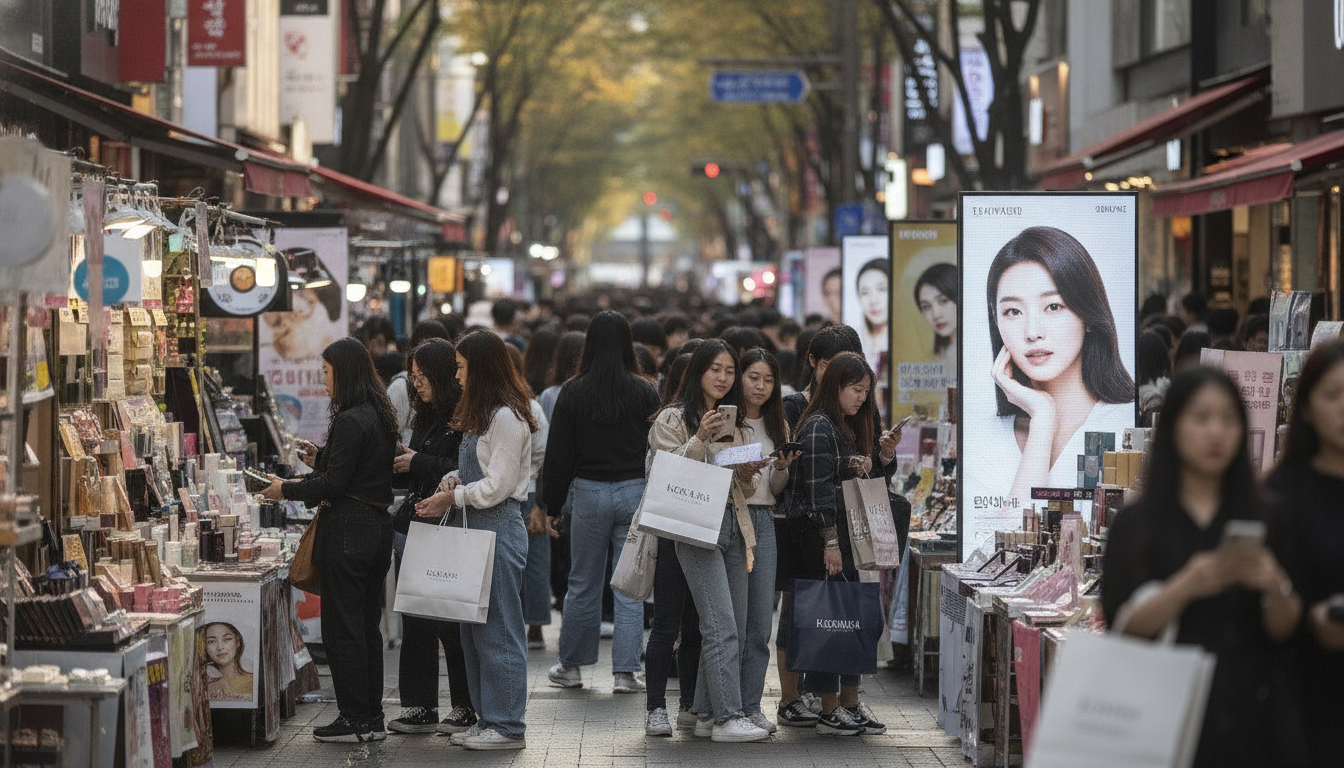
Gangnam and other cosmetic hubs have seen a visible surge in advertising and service offerings aimed at foreign customers. Streets are lined with multilingual billboards and clinics promoting package deals that bundle surgery with accommodation and tourism services.
Many clinics in these neighborhoods have invested in concierge-style services, extended consultation hours and foreign-language medical coordinators. Industry insiders say these adaptations have made South Korea more attractive to overseas patients but also concentrated demand in a few urban areas, intensifying local capacity challenges.
Regulatory response and industry debate
Government agencies and professional bodies have begun debating tighter rules for clinics that market to and treat foreign patients. Proposals under consideration include mandatory reporting of adverse events, clearer rules on cross-border advertising and stronger mechanisms for follow-up care and compensation when complications arise.
The Korean Medical Association and other professional groups have called for standardized consent procedures in multiple languages and better coordination with hospitals. Clinic operators argue that regulation should protect patient safety without stifling a lucrative industry that supports jobs and local businesses.
Economic benefits and public health trade-offs
The boom in cosmetic procedures in South Korea has tangible economic benefits: clinics, hotels, restaurants and transport services all gain from higher inbound patient numbers. Local governments have promoted medical tourism as a source of post-pandemic recovery and foreign exchange.
At the same time, health economists point to potential trade-offs. Revenue concentrated in aesthetic services does not automatically strengthen emergency care or primary care infrastructure, and rising demand for elective procedures can pull trained medical staff toward higher-paying private work. Policymakers face the challenge of balancing economic gains with equitable access to essential medical services.
Patient safety and follow-up care challenges
Patient advocates and clinicians caution that continuity of care is a recurring problem when overseas patients return home shortly after procedures. Post-operative complications that surface after a patient has left the country can be harder to manage and may lead to higher-risk emergency admissions for local hospitals when complications are referred back.
Experts recommend standardized discharge instructions, accessible foreign-language follow-up plans and agreements between clinics and hospitals to ensure timely transfers when necessary. They also stress the importance of transparent pricing and realistic information about risks to reduce unsafe practices driven by competitive marketing.
As South Korea’s reputation for cosmetic medicine grows, policymakers, clinicians and clinic operators will need to reconcile the economic benefits of medical tourism with robust safeguards for patient safety and public healthcare access. The balance they strike will shape whether the country can sustain growth in cosmetic procedures in South Korea without compromising the quality and availability of broader medical services.

