
U.S.-Iran Conflict Deepens as Iran Asks Houthis to Stand Ready to Close Bab al‑Mandeb
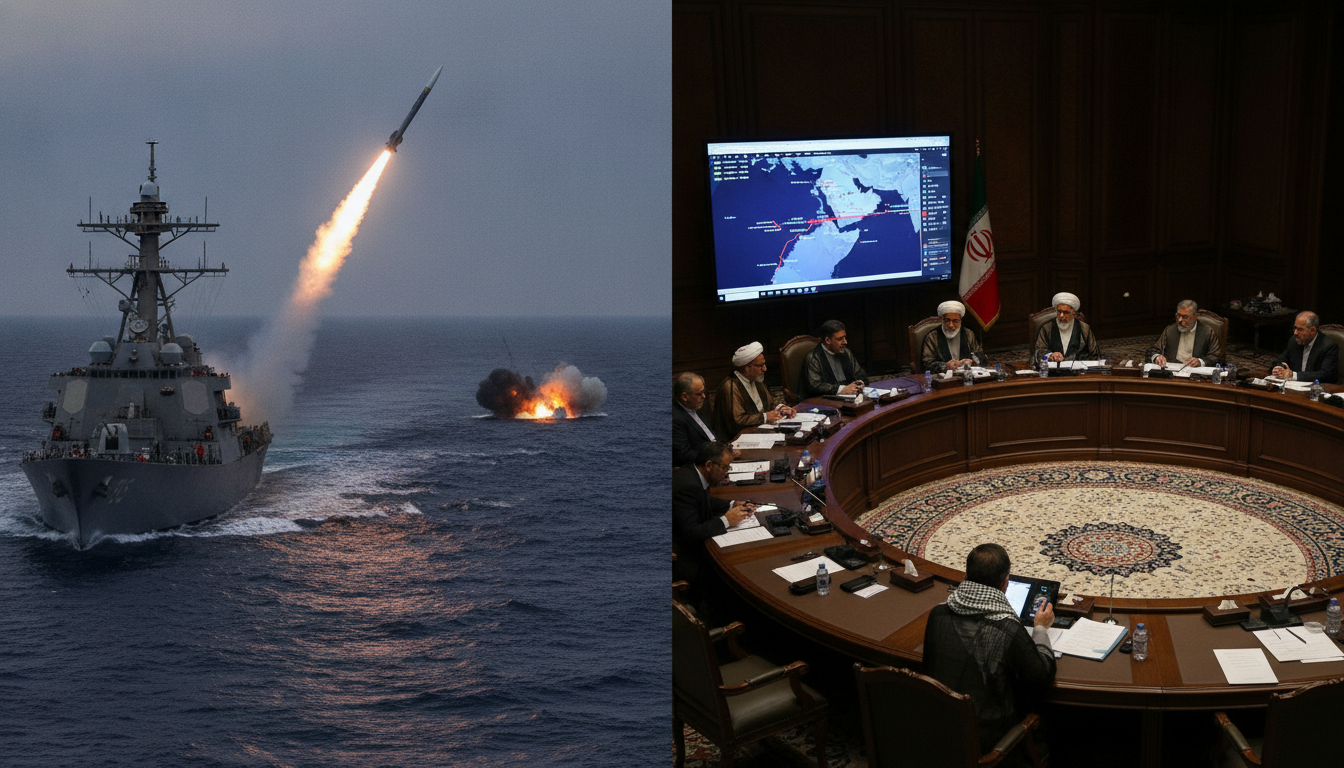
Iran has reportedly asked Yemen’s Houthi movement to be prepared to close the Bab al‑Mandeb Strait if the United States strikes Iranian power infrastructure, raising the stakes as U.S. Central Command says American strikes on Iran have continued since July 11. The move risks disrupting the Red Sea route that serves as a vital alternative to the Strait of Hormuz and intensifies a week of reciprocal attacks and naval maneuvers. International shipping and energy markets are already reacting to the possibility of simultaneous closures at both chokepoints. (internazionale.it)
Iran Asked Houthis to Prepare for Bab al‑Mandeb Closure
Three sources told Reuters that Tehran has conveyed a request for the Houthi rebels in Yemen to stand ready to close the Bab al‑Mandeb Strait if U.S. strikes target Iran’s power network. The request, the sources said, was discussed at senior levels of Iranian leadership and recently passed to the Houthi command structure. The report added that Houthi forces had positioned missiles and drones near the strait and were awaiting an order. (internazionale.it)
CENTCOM Reports Continued Strikes on Iran
U.S. Central Command said American forces have carried out repeated strike waves against Iranian military targets intended to degrade capabilities used to attack commercial shipping in the Strait of Hormuz. CENTCOM posted that precision munitions from fighter aircraft, drones and naval vessels hit missile and drone sites, coastal defenses and naval assets in operations that the command described as intended to protect maritime commerce. CENTCOM also announced the resumption of a naval blockade against vessels transiting to and from Iranian ports as part of the broader campaign. (reutersconnect.com)
Timeline: Strikes and Escalation Since July 11
U.S. military statements and reporting indicate that the recent campaign of strikes began on July 11 and has continued in multiple waves over the following days. CENTCOM and several international outlets reported that U.S. forces struck dozens to more than a hundred targets in multiple operations over the span of the week, responding to Iranian attacks on commercial vessels in the Strait of Hormuz. The pattern of night‑time and daytime waves has left shipping companies and regional governments scrambling to assess risk. (kelo.com)
Potential Impact on Global Shipping and Energy Markets
Analysts warn that a coordinated effort to disrupt both the Strait of Hormuz and the Bab al‑Mandeb Strait would create extraordinary strain on global energy flows and shipping logistics. Before the current escalation, Iran’s closure of the Strait of Hormuz had already forced some Gulf exports to be rerouted through pipelines to the Red Sea and by longer voyages around Africa. Any Houthi‑directed attacks in the Bab al‑Mandeb area could sharply increase freight costs, extend transit times and drive oil and gas prices higher. (internazionale.it)
Regional Responses and Security Concerns
Governments in the Gulf and Red Sea littoral have signaled alarm and moved to bolster maritime defenses, while allied naval forces have increased patrols to safeguard commercial traffic. Regional capitals, including Riyadh and Abu Dhabi, have privately told partners they take the threat seriously and are coordinating contingency plans. International maritime organizations have also warned shippers about elevated risk and urged avoidance of vulnerable lanes where possible. (internazionale.it)
Diplomatic Channels and the Fragile Ceasefire
Diplomatic efforts to contain the crisis have continued even as military action escalates, with prior mediation attempts and memoranda of understanding under scrutiny after the collapse of a fragile truce. Officials involved in past talks have warned that military escalation undermines negotiating leverage and increases the chance of miscalculation. Observers say any near‑term diplomatic breakthrough will require visible de‑escalatory steps from both Washington and Tehran. (internazionale.it)
The coming days will test whether regional actors can prevent a wider chokehold on global shipping or whether the confrontation spreads into new theatres. International traders, insurers and navies will be watching Houthi deployments and CENTCOM activity closely for signs of further escalation or an unexpected opening for diplomacy.

