
Philippine Outrage Grows Over Chinese Animated Video as South China Sea Tensions Resurface
Filipinos and officials denounce a Chinese animated video seen as racist, reigniting South China Sea tensions a decade after the 2016 arbitration ruling.
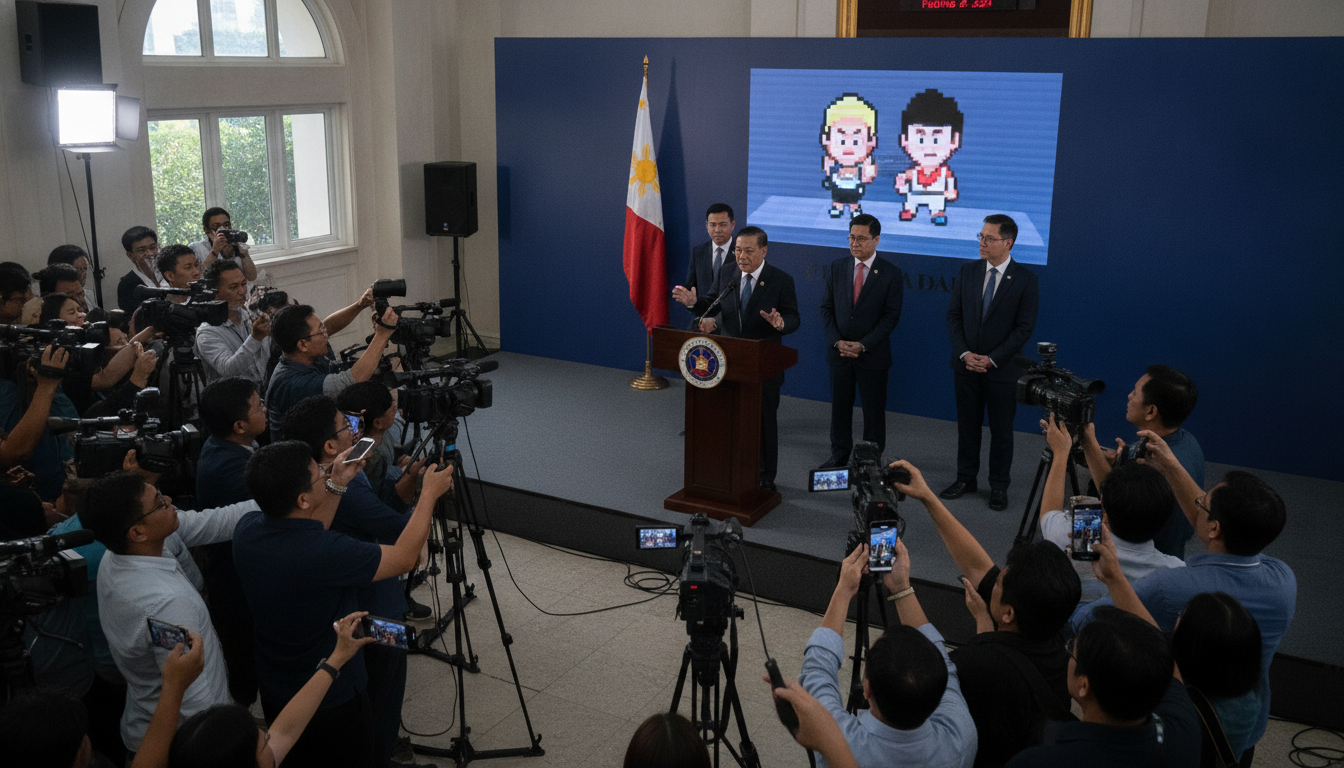
A wave of public anger has spread across the Philippines after a Chinese state newspaper posted an animated online video that many Filipinos have called racist. The Chinese animated video has drawn criticism from civil society groups, lawmakers and ordinary citizens who say it misrepresents Filipinos and inflames already fraught relations. The incident has revived debates over media responsibility and diplomatic conduct as Manila and Beijing remain locked in a long-standing maritime dispute.
Public Outcry in Manila
Many Filipinos reacted quickly to the video, with protests and statements of condemnation appearing in public forums and on the streets of the capital. Activists and civic groups described the content as demeaning and said it fed harmful stereotypes at a time when regional trust is fragile. Lawmakers in the Philippines urged a measured response, emphasizing the need to protect national dignity without escalating tensions into confrontation.
Public demonstrations were reported in several cities, where participants held signs and chanted for accountability from foreign media outlets that operate in the region. Organizers called on local authorities to formally raise concerns through diplomatic channels and to pressure platforms hosting the video to review its content. The backlash underscores how cultural and media incidents can quickly acquire geopolitical weight when they touch on sovereignty and national identity.
Social Media Amplifies Anger
Social media platforms played a central role in spreading the clip and amplifying the response, allowing users to share critiques, calls for boycott and analysis in real time. Hashtags and viral posts multiplied the reach of the controversy, turning what began as a single online piece into a nationwide discussion about respect and representation. Digital activists used screenshots and translations to critique imagery and narrative choices that they said caricatured Filipinos.
The viral nature of the content also prompted debate about platform moderation and the responsibilities of news outlets that publish multimedia material. Some users demanded takedowns and apologies, while others called for broader conversations about cross-cultural sensitivity in state-linked media. The episode reflects the power of social networks to mobilize public opinion rapidly and to place pressure on both media organizations and policymakers.
Government Reaction and Diplomatic Implications
Philippine officials have signaled concern and indicated they are monitoring developments closely, balancing public sentiment with the need to manage bilateral ties. Officials emphasized the importance of a diplomatic path that addresses grievances while avoiding an uncontrolled escalation. Manila’s diplomatic corps was urged to seek clarification from Beijing through established channels and to press for adherence to international norms of respectful discourse.
Analysts say the government’s response will be watched closely by regional partners, who are sensitive to actions that could alter the strategic calculus in Southeast Asia. Any formal diplomatic démarche would underline how non-military incidents, including media representations, can influence state-to-state relations. For Manila, the challenge is to assert its position firmly while preserving avenues for dialogue on broader issues such as fishing rights and maritime cooperation.
Historical Context: 2016 Arbitration Ruling
The controversy arrives as rivalry over the South China Sea approaches the ten-year mark since a landmark arbitration ruling. In July 2016, an international tribunal rejected broad maritime claims asserted by China, a decision that has continued to shape regional legal and diplomatic debates. Manila and its allies often cite the ruling when pressing for a rules-based approach to maritime disputes and for the protection of Filipino fishermen’s rights.
That judicial outcome has not ended friction, however, and episodes like the recent animated video serve as reminders of unresolved grievances. Observers note that symbolic provocations can reignite old wounds when they occur against a backdrop of contested territory and recurrent standoffs at sea. The anniversary of the ruling has renewed public attention to the long-term implications of the arbitration for both legal precedent and bilateral relations.
Regional Security and Media Responsibility
Security experts warn that apparently cultural incidents can carry strategic consequences if they erode trust and harden public opinion. State-linked media content, they say, warrants particular scrutiny because it may be perceived as reflecting official attitudes or policy. In volatile maritime environments, small sparks can complicate efforts to maintain calm and resume cooperative measures such as fisheries management or search-and-rescue coordination.
Media analysts called for clearer editorial standards and greater sensitivity in portrayals of neighboring peoples, arguing that professional ethics require attention to the potential diplomatic impact of content. They suggested that platform operators, newsrooms and state media entities should adopt stronger review processes for material that touches on identity, sovereignty and historical grievances. Such steps, they contend, could reduce the risk that cultural missteps become political crises.
Civil Society Demands and Calls for Dialogue
Civil society groups in the Philippines are pressing for an official apology and for steps that promote mutual understanding between the two countries’ publics. Educational and cultural exchanges were proposed by some observers as a means to counteract stereotyping and to build longer-term people-to-people ties. Organizers of community forums said constructive engagement, not provocation, would better serve regional stability.
At the same time, some commentators warned against policies that would stifle legitimate criticism of foreign actions or rhetoric. They urged a dual approach: robust defense of national dignity alongside open channels for cultural diplomacy. For Manila, the immediate task is to convert public concern into constructive policy options that reinforce national interests without cutting off dialogue.
The episode over the Chinese animated video has highlighted how media content can quickly cross from cultural controversy to diplomatic flashpoint, especially in a region where sovereignty disputes remain unresolved. As reactions continue to reverberate, officials and civil society alike face the challenge of addressing offense and preserving the fragile mechanisms that prevent local disputes from becoming international crises.

