
Ishihara Sangyo to Double Titanium Dioxide Output to Supply Ceramic Capacitors for AI Servers
Ishihara Sangyo will double titanium dioxide production at its Yokkaichi plant to meet rising demand for ceramic capacitors used in artificial intelligence servers.
Japanese chemical firm Ishihara Sangyo Kaisha said it will double production capacity of titanium dioxide used in ceramic capacitors, a key component for high-performance artificial intelligence servers. The move, centered on its Yokkaichi plant in Mie prefecture, is aimed at addressing surging demand from data center and server manufacturers. Company officials described the expansion as a strategic response to growing needs for reliable passive components in next-generation computing infrastructure.
Ishihara plans capacity increase
Ishihara Sangyo announced the decision to expand output of titanium dioxide, citing stronger orders for materials destined for ceramic capacitors that serve AI server power and signal-conditioning functions. The company, long active in specialty chemicals, framed the expansion as a proactive step to shore up supply in a market where lead times for advanced components have tightened. Management highlighted the strategic importance of maintaining continuity for customers building out artificial intelligence and high-performance computing systems.
Production boost at Yokkaichi facility
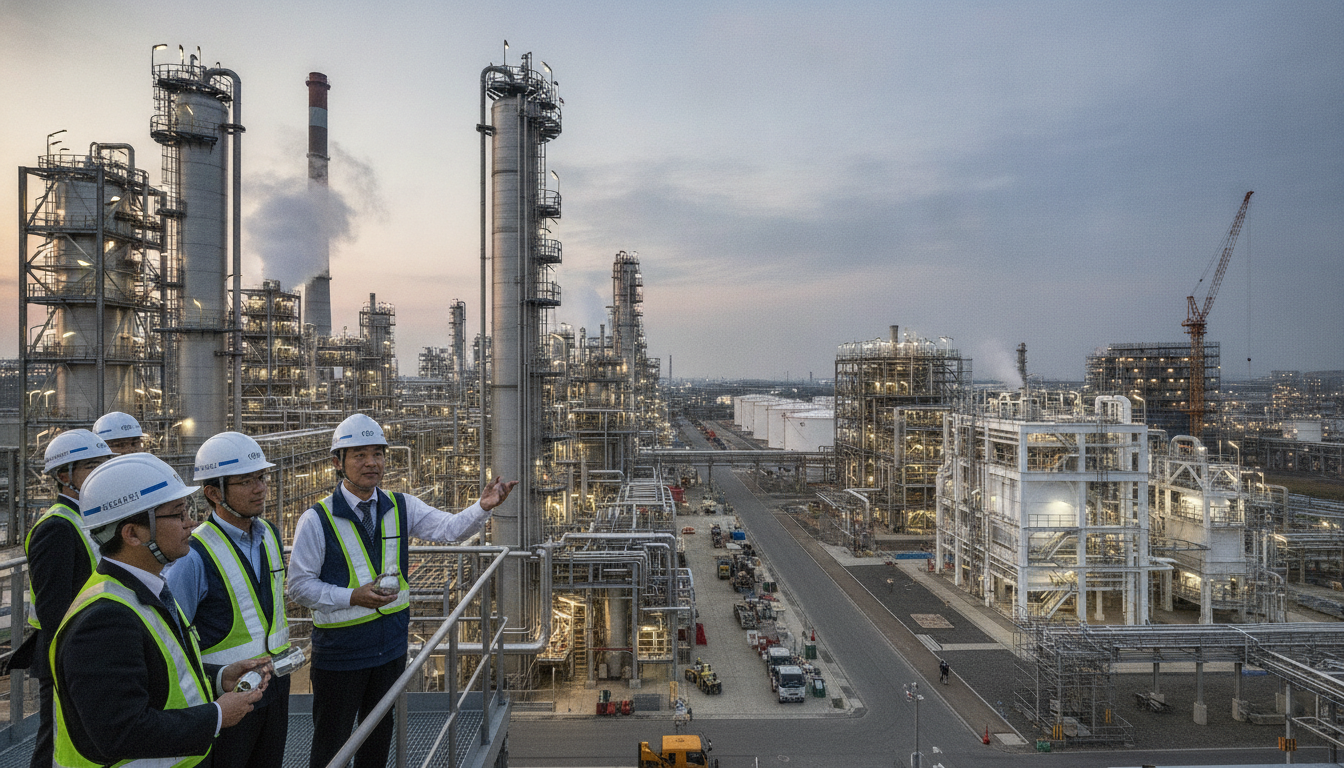
The capacity increase will be concentrated at Ishihara’s Yokkaichi plant in Mie prefecture, where upgrades to processing lines and logistics are planned to accelerate shipments. Plant managers indicated upgrades will focus on throughput and quality control to meet stringent specifications demanded by capacitor manufacturers. The company said the site will scale operations without disrupting existing deliveries, reflecting careful sequencing of investment and maintenance work.
Titanium dioxide’s role in ceramic capacitors
Titanium dioxide is used as a raw material in processes that contribute to the electrical and physical properties of ceramic capacitors, which are critical for filtering and power stability in servers. As AI servers place higher loads on power delivery networks, manufacturers increasingly seek capacitors with consistent performance and tight tolerance. Suppliers of precursor materials such as titanium dioxide therefore play a crucial upstream role in ensuring component reliability for data center applications.
Demand drivers from AI server market
Demand for ceramic capacitors has risen alongside growth in AI model deployment and data center expansion, which require larger numbers of high-reliability passive components. Hardware makers are increasing procurement to support new racks and upgraded power architectures, driving orders across the value chain from chipmakers to materials suppliers. Ishihara’s decision reflects broader industrial adjustments as electronics manufacturers secure material flows for intensive computational workloads.
Market position and competitive landscape
Ishihara Sangyo holds a significant share of the market for titanium dioxide used in capacitor applications, a position that underpins its influence on supply dynamics and pricing. Competitors and downstream manufacturers will watch the expansion closely, since increased capacity from a leading supplier can ease shortages and moderate price volatility. Industry participants note that while expanding a plant can relieve immediate pressures, global supply balance will continue to hinge on demand growth and the ability of other suppliers to scale.
Potential supply chain and price effects
By adding capacity, Ishihara may help shorten lead times for capacitor manufacturers and reduce the risk of component bottlenecks that can delay server production. The expansion could also temper short-term price spikes for titanium dioxide-derived materials, although analysts caution that long-term pricing will depend on the pace of AI infrastructure investment. Logistics, raw-material sourcing, and energy costs will remain factors that influence how quickly the market absorbs additional output.
Ishihara’s capacity decision is positioned as both a commercial response to current demand and a strategic bet on continued growth in AI-related hardware spending. The company’s expansion at Yokkaichi sends a signal to downstream makers that a major supplier is moving to stabilize supply, while also underscoring how material producers are adjusting to shifts in technology demand. The development will be closely monitored by manufacturers of ceramic capacitors, data center operators, and investors tracking the industrial footprint of artificial intelligence infrastructure.

