
Japan Weighs Ending Cool Japan Fund as METI Opens Review of Loss-Making Cultural Investment Vehicle
METI to review the Cool Japan Fund amid mounting losses and criticism, considering restructuring, merger or abolition as officials weigh next steps this month.
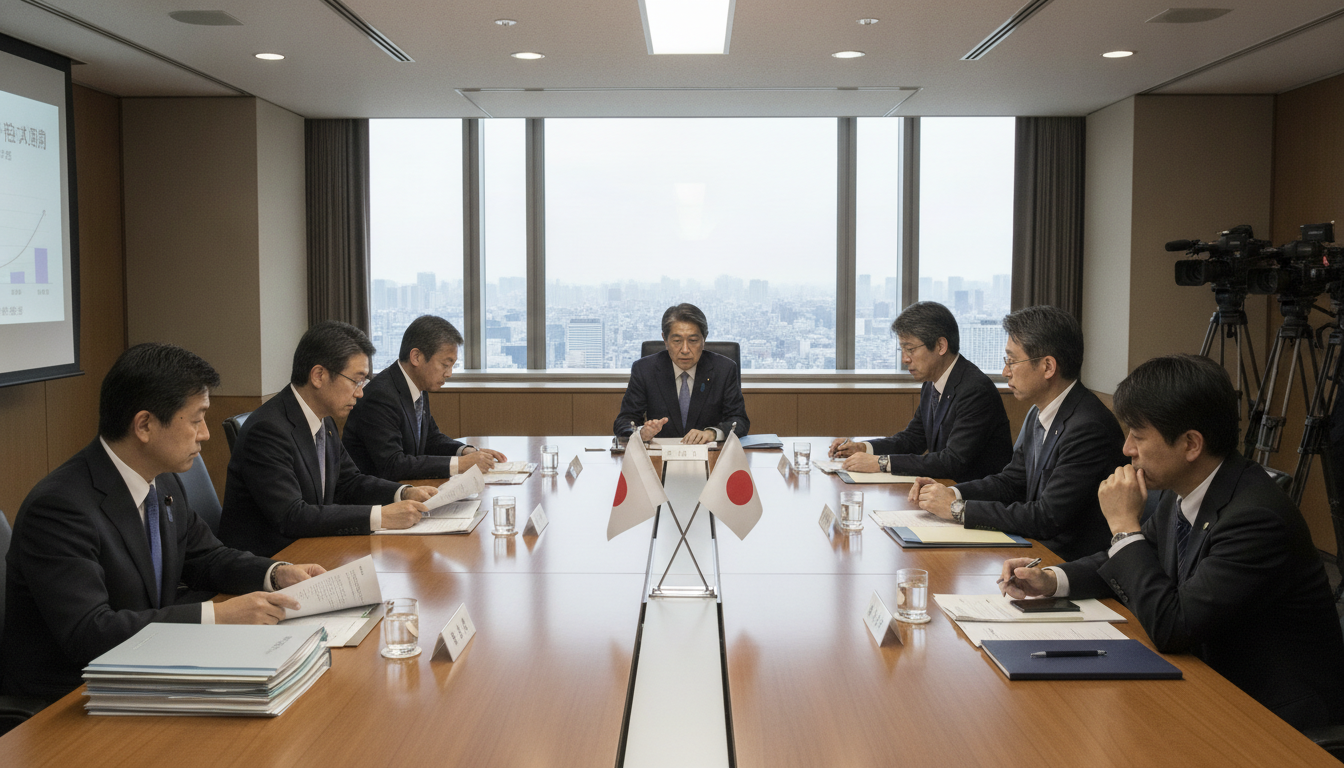
Japan’s Ministry of Economy, Trade and Industry (METI) has begun preparations for formal talks this month to decide whether to restructure, merge or abolish the Cool Japan Fund, the public-private vehicle created to promote Japanese culture overseas. The move follows the fund’s latest financial report and an intensifying debate inside government over its future role and cost to taxpayers. Officials said the review will examine governance, performance and alternative ways to support exports of Japanese content. (japantimes.co.jp)
METI launches formal review process
METI officials have signalled that an internal review and discussions with stakeholders will start in July, with a view to reaching a policy decision within the year. Sources reporting on the discussions say the options under consideration include a managed wind-down, merger with another state-backed entity, or a restructured fund with a narrower remit. The ministry is expected to convene external experts and industry representatives as part of the assessment. (nippon.com)
Recent financial results deepen scrutiny
The Cool Japan Fund reported a sharp deterioration in its fiscal 2025 results, recording a substantial net loss and a plunge in revenue that has intensified calls for change. The fund’s latest business report shows a year-on-year collapse in revenue and a loss that officials say widened sustained deficits, raising questions about long-term viability. METI and the fund’s management have cited weak returns and underperforming investments as central issues to be addressed. (cj-fund.co.jp)
Origins and scope of the fund since 2013
Established in 2013 as an industry ministry-backed public-private fund, the Cool Japan Fund was built to translate Japan’s cultural appeal into overseas business growth. Government capital formed the overwhelming majority of its equity, and the fund has supported dozens of projects spanning food, retail, hospitality and content licensing in markets across Asia and beyond. Over more than a decade the vehicle’s remit and investment mix have expanded, but results have fallen short of early expectations. (cj-fund.co.jp)
Industry criticism and governance concerns
Critics argue the fund’s investment strategy lacked commercial discipline and clear performance metrics from the start, pointing to a string of ventures that failed to scale internationally. Independent commentators and opposition lawmakers have also questioned oversight arrangements, saying the fund blurred promotional objectives with high-risk commercial investing. Supporters counter that cultural exports require long-term patient capital, but the rising headline losses have shifted the balance of the debate toward stricter accountability. (nippon.com)
METI’s shifting policy toolkit and new initiatives
As scrutiny of the fund has sharpened, METI has been promoting alternative measures aimed at strengthening intellectual-property centred promotion and wider industry support. Newer policy tools designed to harness private sector partners and to focus on scalable IP exports — including concerted efforts under programmes reported as “IP360” — reflect a gradual pivot from direct public equity investing toward ecosystem building. Those initiatives are expected to figure prominently in the ministry’s assessment of how best to deploy public funds for cultural promotion. (itmedia.co.jp)
What stakeholders are watching now
Business groups, creative producers and local governments that benefited from Cool Japan Fund projects are watching the review closely, aware that a decision will affect existing contracts and future co-investment prospects. Private investors have also signalled interest in clearer exit rules and more transparent governance should any restructuring proceed. Observers say the outcome will shape how Japan balances national cultural diplomacy with fiscal prudence and market-oriented support. (japantimes.co.jp)
The coming months will test whether METI can reconcile the political and economic aims of promoting Japanese culture abroad with the need for stricter investment discipline, and whether a successor approach can more effectively scale content and services for global markets.

