
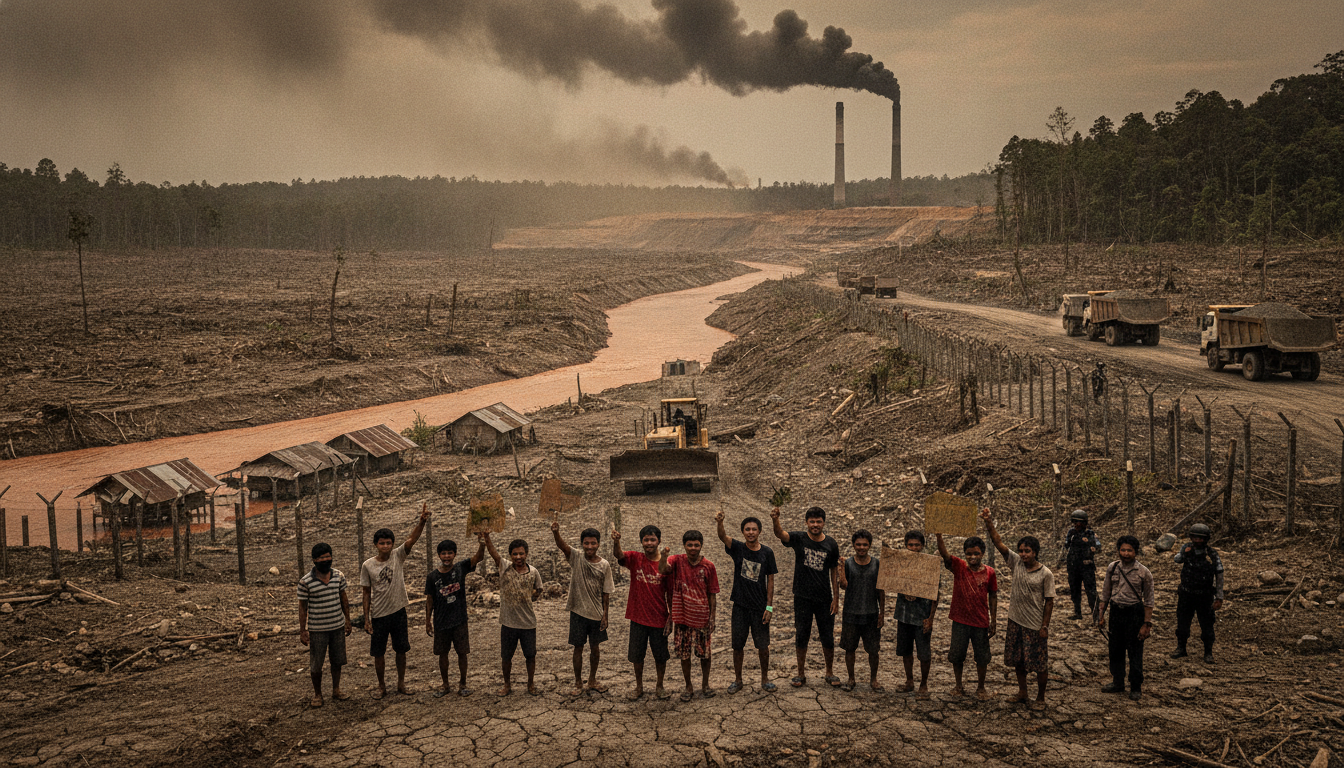
Indonesia nickel boom blamed for surge in human rights and environmental abuses
Report finds Indonesia nickel boom linked to rising human rights and environmental abuses; rights groups call for corporate due diligence and state oversight.
BANGKOK — A rights group report released this week says the Indonesia nickel boom has coincided with a marked increase in alleged human rights and environmental abuses, with more incidents recorded in Indonesia than in any other country examined. The report links rapid expansion of nickel mining and processing to community displacement, worker rights violations, and pollution that is undermining local livelihoods. Analysts and campaigners warn that unchecked demand for nickel — driven by electric vehicle battery supply chains — is intensifying pressure on regulators and companies.
Human rights group documents spike in reported abuses
A non-governmental organization compiling incidents across Asia found a sharp rise in complaints tied to nickel operations in Indonesia. The group said allegations included forced evictions, suppression of local protests, unsafe working conditions and intimidation of community leaders.
Rights advocates argue these problems are concentrated where industrial-scale smelters and mines have expanded rapidly, and they say monitoring has struggled to keep pace with the pace of investment. The report urges purchasers and financiers of nickel to strengthen due diligence across supply chains.
Industrial hubs such as Morowali are at the center
The Indonesia nickel boom has been especially visible in regions like Morowali in Central Sulawesi, where clusters of smelters and processing facilities have transformed the local economy. The influx of capital and rapid construction of industrial parks have created jobs but also intensified land-use conflicts.
Local officials have promoted the investments as catalysts for development, while residents and environmental groups report increased noise, dust and pressure on coastal resources. Observers note that the concentration of processing capacity in a few hubs makes regulatory oversight more challenging.
Environmental impacts reported around mining and processing sites
Environmental complaints in nickel-producing areas include water discoloration, reduced fish catches and damage to agricultural land attributed to waste runoff and tailings. Campaigners say such impacts threaten the food security and incomes of coastal and farming communities.
Scientists warn that sediment and chemical pollution can have long-lasting effects on mangroves and coral reefs that support fisheries. Environmental lawyers are calling for independent monitoring and stricter enforcement of waste-management standards at smelters and mines.
China-linked supply chains and battery demand amplify pressure
The report links many of the observed impacts to global demand for nickel used in lithium-ion batteries and to China’s dominant role in refining and processing critical minerals. Analysts say that as automakers and battery manufacturers race to secure raw materials, sourcing urgency can outpace safeguards meant to protect communities.
Industry observers note that a sizable share of refined nickel used in EV batteries passes through processing facilities with ties to Chinese capital or technology, creating complex cross-border supply chains. This interconnectedness has placed greater focus on traceability and responsible sourcing from buyers in Europe, Japan and North America.
Companies and authorities respond with mixed commitments
Several companies operating in nickel belts have issued statements committing to compliance with environmental and labor regulations, while governments point to existing licensing and inspection regimes. Rights groups, however, say such assurances are insufficient without transparent audits and community grievance mechanisms.
Indonesian authorities have emphasized the economic value of nickel development and the importance of attracting investment, but officials also face increasing pressure to reconcile industrial growth with environmental protection and human rights obligations. International investors and downstream buyers are being urged to factor social and environmental risks into procurement decisions.
Advocates press for stronger oversight and supply chain rules
Human rights organizations and some investors are calling for mandatory due diligence rules, improved on-the-ground monitoring, and clearer benefit-sharing arrangements for local communities. They argue that voluntary measures alone have not prevented rights abuses in fast-growing sectors such as nickel.
Proposals under discussion include stricter environmental permitting, independent third-party inspections, disclosure of ownership and financing links, and legally enforceable community consultation processes. Supporters say these steps could reduce conflict and improve the sustainability of the Indonesia nickel boom.
The report concludes that without more robust oversight and corporate accountability, the social and environmental costs of rapid nickel development are likely to rise even as global demand grows. Community leaders, campaigners and some investors say the coming months will be critical for translating international concern into concrete safeguards on the ground.

