
Takeda dengue vaccine approved in India to tackle rapidly rising cases
India approves Takeda dengue vaccine — the country’s first — to curb a surge in infections, with authorities preparing phased rollout, surveillance and public outreach.
India’s drug regulator has approved the Takeda dengue vaccine, marking the country’s first licensed vaccine against the mosquito-borne disease and signaling a new tool in efforts to reverse a rapid rise in infections. The Takeda dengue vaccine is being introduced amid mounting case numbers that public health officials say have intensified over recent years. Health authorities and the manufacturer say they will coordinate on phased distribution and monitoring as the programme begins.
Indian regulator grants approval for Takeda vaccine
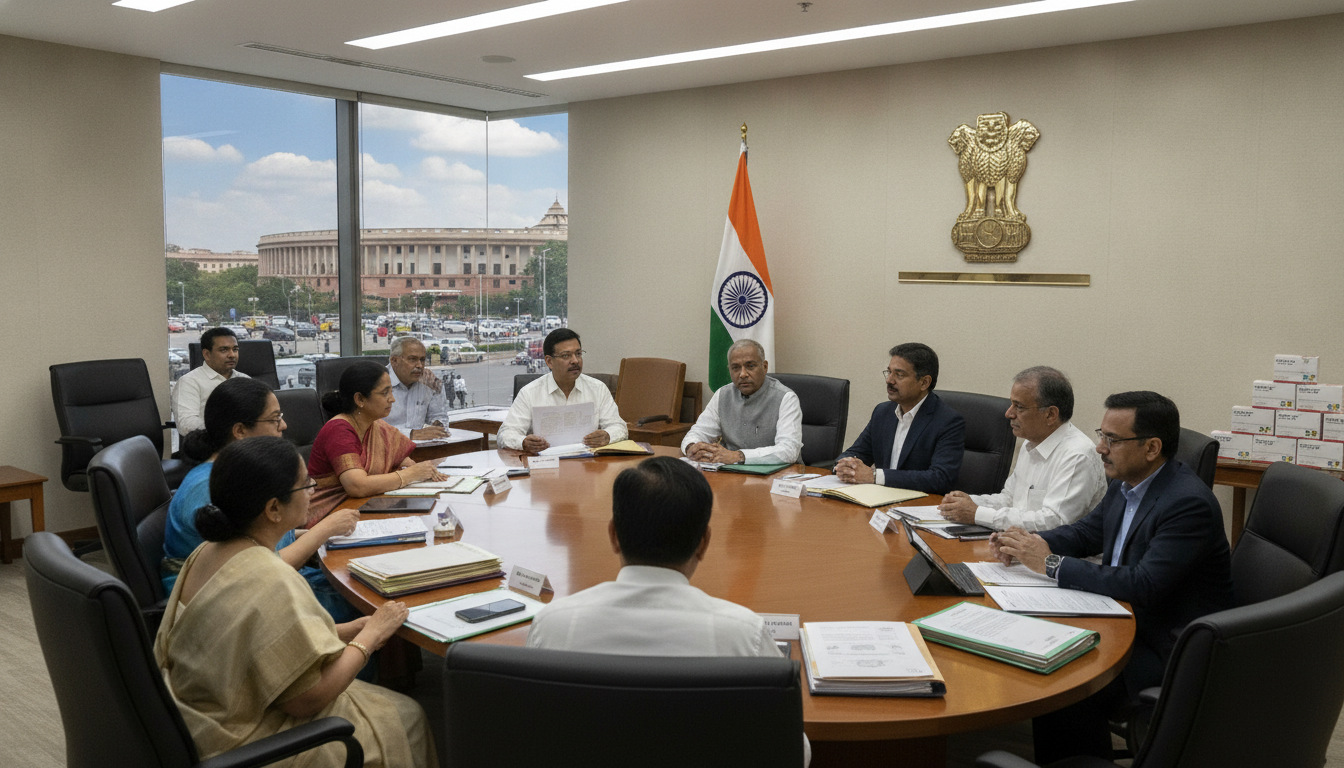
The national approval gives Takeda Pharmaceutical the green light to supply its dengue vaccine for use in India, following a regulatory review of the company’s data. Officials described the decision as a milestone for national dengue prevention strategies and for the domestic immunization landscape. The licence opens the door for product registration, distribution planning and the start of post-approval safety monitoring.
Surge in dengue cases prompts urgency
Public health officials have cited a sharp increase in dengue incidence in India over the past two decades, with the number of reported cases rising dramatically and placing renewed pressure on hospitals and municipal services. That trend, observed across several states and urban centres, has been attributed to factors such as increased urbanization, changing mosquito habitats and gaps in vector control. The scale of recent outbreaks has accelerated calls for additional preventive measures, including vaccination where feasible.
What the Takeda dengue vaccine entails
Takeda, a Japanese pharmaceutical company, positions the vaccine as an additional preventive option to reduce the clinical burden of dengue illness. Company statements note the approval was based on clinical evidence submitted to regulators, though rollout plans and specific use recommendations will be finalized with Indian health authorities. Authorities have underscored that vaccination complements—but does not replace—established mosquito-control measures and early clinical care for suspected dengue cases.
Plans for rollout and prioritization
Authorities are expected to adopt a phased approach to vaccine distribution, prioritizing populations and regions with the highest disease burden. Public health planners are likely to coordinate with state governments to deploy doses where surveillance data show recurrent outbreaks and high hospitalization rates. Implementation will include training for healthcare providers, guidance on eligibility criteria and communications campaigns to inform communities about the vaccine’s role and limitations.
Operational and public confidence challenges
Logistical hurdles for a national dengue immunization programme include securing supply, managing cold-chain storage, and ensuring equitable access in both urban and rural areas. Public confidence will be critical; health officials plan to run outreach and education campaigns to explain vaccine benefits and safety monitoring procedures. Ongoing post-marketing surveillance will be needed to track adverse events and vaccine effectiveness as the programme scales up.
Regional implications and industry response
India’s approval of the Takeda dengue vaccine could influence neighbouring countries grappling with dengue outbreaks by providing a model for vaccine introduction and regulatory assessment. The decision also highlights the growing role of international pharmaceutical firms in addressing regional infectious-disease threats. Industry observers say the approval may prompt competitive responses, further research investments and renewed focus on integrated strategies combining vaccines, surveillance and vector control.
The approval marks a significant development in India’s dengue response, but experts stress that vaccination will be one element of a broader public health effort. Continued investment in surveillance, clinical care capacity and mosquito-control programmes will determine whether the new vaccine translates into sustained reductions in illness and hospitalizations.

