
Ritz-Carlton Kathmandu and Westin Coming as Marriott Targets Nepal’s Growing Luxury Market
Marriott International has agreed to develop Ritz-Carlton Kathmandu and a Westin hotel in partnership with a Nepalese hospitality conglomerate, marking a notable push into Nepal’s luxury travel market
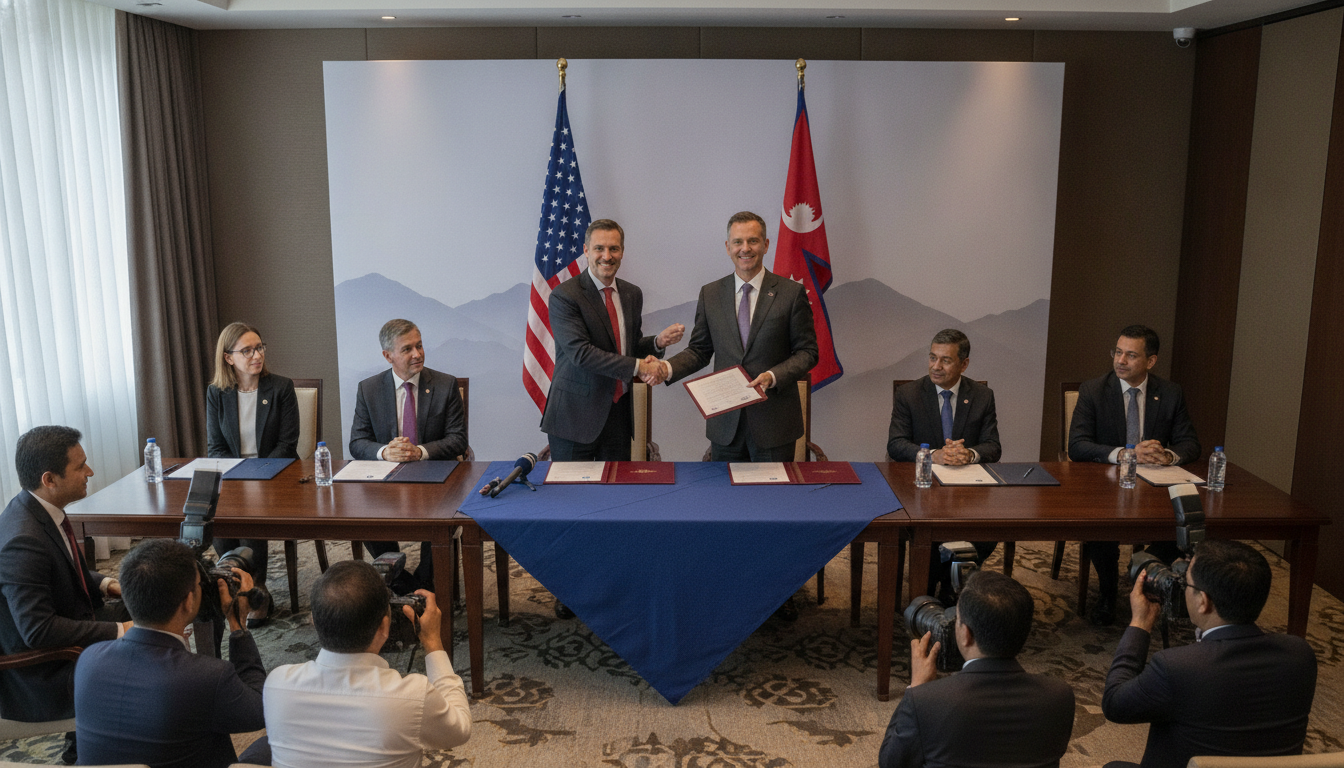
Marriott signs agreements to bring Ritz-Carlton and Westin to Kathmandu
Marriott International has signed agreements with a Nepalese hospitality conglomerate to introduce Ritz-Carlton and Westin branded hotels in Kathmandu, company officials confirmed. The move signals Marriott’s strategy to expand its presence in South Asia and to position premium brands in a market long dominated by budget and midscale properties.
Marriott’s chairman has publicly endorsed the expansion as a response to shifting tourist demand toward higher-end experiences, and the company said it will work with local partners on development and operations. Developers and hoteliers say the new projects will add branded luxury room inventory to Kathmandu in a market where such offerings remain limited.
Rising demand from higher-spending travelers
Industry sources and tourism officials report that Nepal is seeing a gradual shift in visitor profiles, with more affluent travelers seeking upscale accommodation and curated experiences. This trend is being driven by higher spend per trip, longer stays for cultural and wellness travel, and growing interest from tourists who combine trekking with luxury city stays.
Luxury and lifestyle brands are attractive to guests who prioritize service, spa and dining experiences, and seamless international loyalty programs. Marriott’s loyalty network and global distribution are expected to help reposition Kathmandu on the itinerary of well-heeled travelers who previously bypassed Nepal for more established luxury destinations.
Industry executives warn of supply and demand mismatch
Despite the optimism, several analysts caution that luxury supply risks outpacing sustainable demand in Nepal’s capital. Executives note that while demand is increasing, it remains concentrated seasonally and in niche segments such as high-end trekking groups and incentive travel programs.
Market observers also highlight the potential for a short-term oversupply of branded rooms if multiple international chains accelerate entry without corresponding growth in year-round demand. Some consultants recommend phased rollouts and flexible asset-light development models to mitigate exposure and align capacity with seasonal peaks.
Economic benefits and job creation potential
Local business leaders say the projects could generate significant economic benefits, including construction activity, direct hotel employment, and expanded opportunities for Nepali suppliers and tour operators. International brands typically bring training programs and operational standards that can raise service quality and create career pathways in hospitality.
Officials also expect the new hotels to increase foreign exchange receipts by attracting higher-spending visitors and incentivizing longer stays in Kathmandu. Hoteliers point out that greater international brand visibility can help diversify Nepal’s tourism offering beyond trekking, into meetings, culinary tourism, and luxury cultural itineraries.
Infrastructure and seasonality remain obstacles
Stakeholders emphasize that infrastructure constraints and pronounced seasonality present practical challenges for luxury growth in Kathmandu. Limited international flight connectivity, intermittent power and transport bottlenecks in peak months can diminish guest experience and add operating costs for premium hotels.
Addressing these gaps will require coordination between private investors and public authorities on airport capacity, transport links, and urban services. Observers say careful timing of openings and investment in resilient operations, such as backup power and supply chain planning, will be crucial to sustaining brand reputation.
Local partnerships and regulatory considerations
Marriott’s choice to partner with a domestic hospitality conglomerate reflects a common strategy for navigating land, permitting and cultural considerations in Nepal. Local partners bring market knowledge and regulatory relationships that can accelerate approvals and community engagement.
Regulators and municipal authorities will be watching development plans closely to ensure compliance with zoning, heritage protection and environmental standards. Community groups have also urged developers to factor local employment and small business integration into project plans to spread economic gains more broadly.
The entry of Ritz-Carlton Kathmandu and a Westin marks a notable moment for Nepal’s tourism sector as global operators reposition their portfolios. While the projects promise jobs and a higher-value visitor mix, sustained success will depend on aligning branded supply with realistic demand, improving infrastructure, and coordinating with local partners to preserve Kathmandu’s cultural fabric and visitor experience.

