
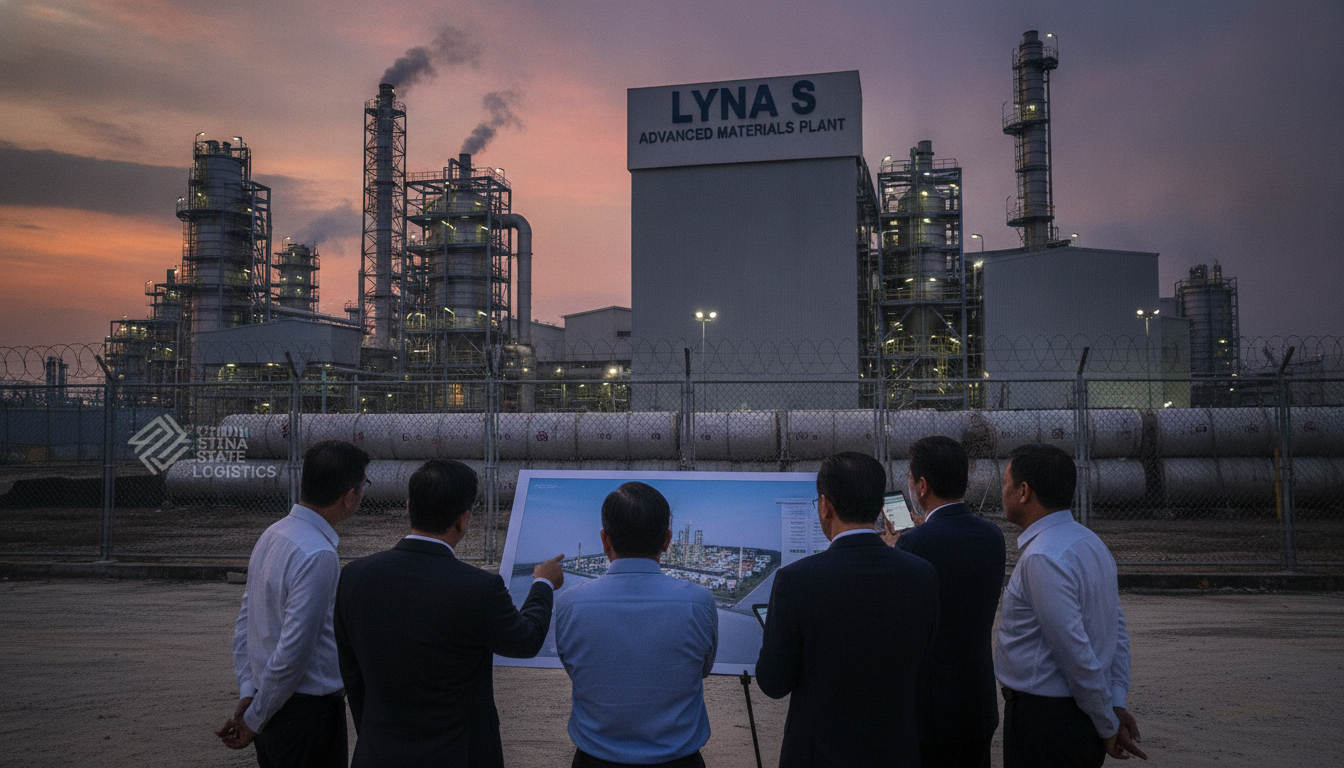
Lynas Raises Cost Outlook for Malaysian Heavy Rare Earth Facility by $80 Million
Australian miner Lynas has increased the expected cost of its new Malaysian heavy rare earth facility by nearly $80 million, citing export curbs on critical equipment and tighter supply conditions. The company also reported a higher average selling price for rare earth products in the quarter through June, a period its interim CEO described as challenging.
Lynas confirms $80 million cost increase
Lynas said the revised estimate for its heavy rare earth plant in Malaysia reflects a combination of supply and logistical pressures that have emerged during the project build. The company attributed part of the increase to limitations on the sale of specialized processing equipment, which have raised procurement expenses and extended lead times.
Management framed the adjustment as a necessary response to shifting market realities rather than a fundamental change to the project’s purpose. Lynas emphasized that the facility remains central to its strategy to expand production of heavy rare earths, materials essential for permanent magnets and advanced manufacturing.
China’s export curbs cited as contributing factor
Company officials pointed to restrictions implemented by Chinese suppliers as a material driver of the higher cost outlook. Those measures have constrained access to certain types of processing machinery and components used in heavy rare earth separation and refining.
Analysts say such export controls can ripple through the supply chain, increasing prices for specialist equipment and forcing firms to seek alternative suppliers or redesign plant layouts. For Lynas, which processes elements including dysprosium and terbium that are vital to high-performance magnets, the equipment bottleneck has translated into a concrete budgetary impact.
Quarterly results: prices rose but operations were pressured
In the three months to the end of June, Lynas reported a higher average selling price for its rare earth products, reflecting strength in demand for magnet materials used in electric vehicles, wind turbines and electronics. Despite price improvements, the period was described by Lynas’ interim CEO as challenging, with operational and market headwinds affecting performance.
Higher product prices helped offset some cost pressures, but did not eliminate the effect of delayed equipment deliveries and increased capital expenditure at the Malaysian site. The combination of rising input costs and project-stage challenges left management wrestling with trade-offs between pace of construction and cost control.
Supply-chain implications for critical minerals markets
The cost increase at Lynas’ Malaysian plant underscores broader supply-chain fragilities in the rare earth sector, where specialized machinery and concentrated manufacturing capability can create bottlenecks. Policymakers and industry participants have pushed for diversification of supply chains in recent years, but practical constraints remain in areas requiring advanced metallurgical and chemical processing.
Any escalation in project costs or delays at significant producers can tighten global availability of heavy rare earths, potentially amplifying price volatility for materials used in strategic technologies. Observers say this dynamic reinforces the need for investment in alternative suppliers, domestic manufacturing capacity and recycling initiatives.
Potential effects on green-technology supply chains
Heavy rare earths, including elements processed at Lynas’ planned facility, are critical inputs for permanent magnets in electric vehicles and wind generators. An uptick in production costs or slower ramp-up timelines could squeeze downstream manufacturers by elevating feedstock prices or creating procurement uncertainty.
Manufacturers reliant on consistent supplies of dysprosium and terbium may face margin pressure if higher raw-material costs are passed through. At the same time, the market response to supply tightness could spur further investment in material efficiency, substitution research and expanded recycling of magnet-grade alloys.
Lynas’ options and next steps for the Malaysia project
Lynas has signalled it will continue to move forward with the Malaysian heavy rare earth plant while assessing mitigation measures to control further cost escalation. Options under consideration industry-wide include seeking alternative equipment vendors, adjusting engineering specifications and extending project timelines to smooth capital deployment.
The company said it remains committed to bringing the facility online as part of its broader plan to increase global heavy rare earth capacity outside China. Lynas will likely update investors and stakeholders on financing arrangements and a refreshed timetable as the project progresses through procurement and construction milestones.
Lynas’ announcement highlights the interplay between geopolitics, specialized supply chains and the escalating strategic importance of rare earths for decarbonization and high-technology industries.

