
Philippine FM Lazaro Rebukes China Over AI Video and South China Sea ‘Violent Actions’
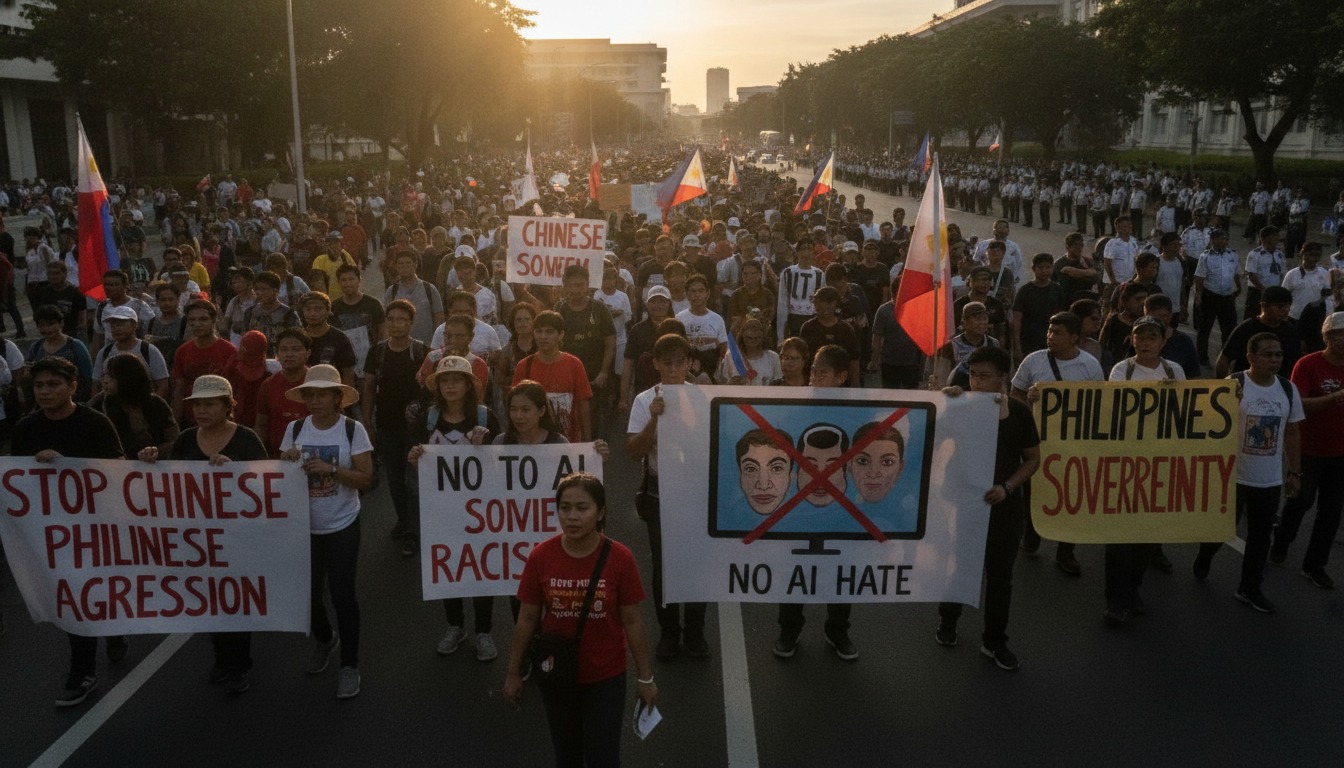
At ASEAN talks in Manila on July 22, 2026, Philippine Foreign Minister Maria Theresa Lazaro confronted her Chinese counterpart over an AI-generated video that demeaned Filipinos and protested what she described as "violent actions" in the South China Sea. The exchange occurred during a bilateral meeting on the sidelines of the ASEAN Foreign Ministers’ Meeting and heightened tensions between the two countries. Lazaro called the video "deeply offensive" while raising concerns about recent maritime incidents that Manila says threaten regional stability.
Lazaro Confronts Wang Over AI Video
Maria Theresa Lazaro directly told Chinese Foreign Minister Wang Yi that the AI-created clip depicting Filipinos as monkeys was unacceptable and insulting to the nation. She said the portrayal harmed bilateral trust and demanded assurances that Beijing would address the misuse of artificial intelligence for demeaning content. The protest signaled Manila’s intention to place dignity and national image at the center of discussions, not only territorial disputes.
Lazaro’s statement combined cultural grievance with diplomatic pressure, reflecting how digital harms can now enter formal state-to-state talks. By raising the issue in a high-level bilateral meeting, the Philippines sought both a public response and private commitments from Beijing to prevent similar incidents. The demand underscored growing concern in the region about AI tools being weaponized for political or social harm.
Details of the AI-Generated Clip
Philippine officials described the video as machine-generated imagery that ridiculed Filipinos and framed them in a dehumanizing manner. While technical provenance and the clip’s original source remain under investigation, Manila emphasized the broader risks of synthetic media spreading misinformation and fuelling prejudice. The foreign ministry called for cooperation to trace the origin and to hold accountable those who create or distribute such harmful content.
The incident has also prompted calls for clearer norms on AI use from regional partners and civil society. Analysts say the episode illustrates gaps in cross-border regulation of digitally fabricated content and highlights the need for shared standards on accountability, takedown procedures, and transparency from platforms hosting synthetic media.
Allegations of ‘Violent Actions’ in South China Sea
Beyond the AI clip, Lazaro protested recent maritime incidents that Manila labels as "violent actions" in the South China Sea, raising concerns about aggressive conduct affecting Philippine vessels and fishermen. The Philippines has frequently accused Chinese vessels and maritime militia of harassing Filipino boats near disputed features and exclusive economic zones. Manila said it expects Beijing to curb such behavior to avoid escalation.
Chinese officials typically deny intent to threaten regional actors and characterize their operations as lawful activities within contested maritime zones. The Philippine delegation stressed that continued confrontations at sea risk undermining ASEAN’s diplomatic efforts and complicate talks aimed at de-escalation and confidence-building.
Diplomatic Exchange at ASEAN Foreign Ministers’ Meeting
The exchange between Lazaro and Wang unfolded on the sidelines of a larger diplomatic gathering in the Philippine capital, where regional foreign ministers convened to address security, maritime disputes, and economic cooperation. The bilateral meeting was one of several charged encounters during the conference, reflecting overlapping priorities among ASEAN members and external partners. Manila used the forum both to air grievances and to press for collective attention to maritime security and digital harms.
ASEAN meetings traditionally emphasize consensus and quiet diplomacy, yet incidents like the AI clip and disputed maritime interactions test the grouping’s ability to balance member relations with external powers. Delegations are now weighing whether to issue more explicit language on emerging threats such as synthetic media abuse and whether to pursue joint mechanisms for maritime incident reporting.
Regional and International Reactions
The Philippines’ public rebuke has prompted statements of concern from some regional capitals and civil society groups calling for stronger safeguards against AI-fueled dehumanization. Human-rights advocates urged governments and technology companies to accelerate rules preventing synthetic content that inflames ethnic or national hostility. Meanwhile, maritime security experts warned that combining digital provocations with physical encounters at sea could create a volatile mix for miscalculation.
International partners watching the ASEAN meeting underscored the need for clear communication channels to manage incidents in the South China Sea. Some diplomats noted that addressing non-kinetic threats such as harmful AI content should be integrated into broader security dialogues to reduce the risk of escalation.
Next Steps Sought by Manila
Philippine officials said they would pursue follow-up actions including requests for investigations into the AI clip and calls for de-escalatory measures at sea. Manila is expected to propose practical steps for incident prevention, such as enhanced reporting protocols, commitments to avoid aggressive maneuvers, and cooperation on tracking and removing harmful synthetic media. The foreign ministry also signaled it would engage like-minded partners to press for stronger international norms.
Diplomatic observers say whether Beijing offers concrete measures or limited reassurances will shape Manila’s next moves, including possible appeals to multilateral forums or legal avenues. For now, the Philippines appears determined to keep both the AI video issue and maritime friction on the bilateral and regional agenda until tangible responses are delivered.
The confrontation in Manila illustrates how technological harms and traditional territorial disputes are converging in Southeast Asian diplomacy, complicating efforts to preserve stability in the South China Sea.

