
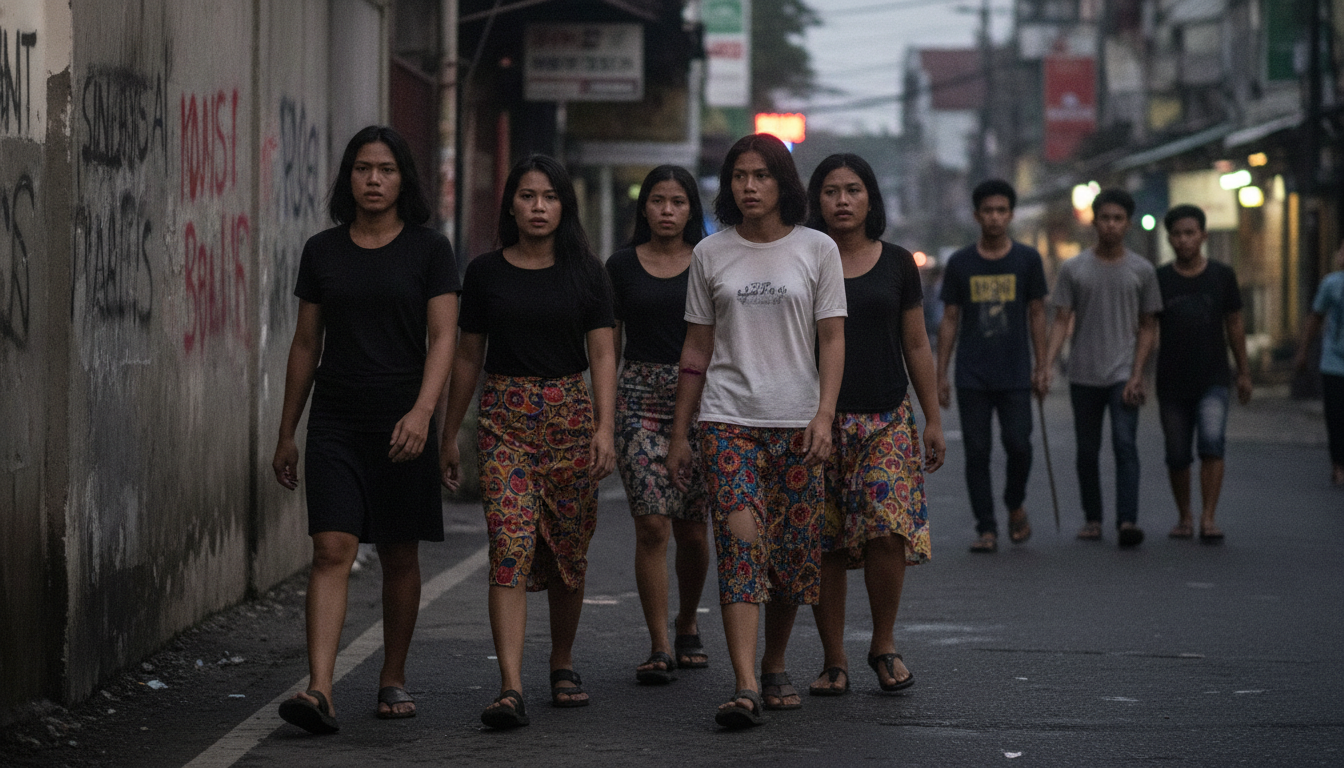
LGBT rights in Indonesia under strain as vigilante attacks and regulations surge
Human rights groups warn of escalating vigilante attacks on transgender women and restrictive local measures as LGBT rights in Indonesia face intensifying pressure.
Rising Vigilante Violence in Surabaya
Human rights watchdogs and local activists have reported a series of vigilante assaults targeting transgender women in Surabaya, raising alarms about a deteriorating security environment. These attacks, described by observers as increasingly brazen, have included public confrontations and physical violence in neighborhoods and transit hubs. Survivors and community groups say such incidents are spreading fear and driving people to avoid public spaces where they once felt able to live openly.
Witnesses and activists describe a pattern in which groups identify and then pursue individuals perceived as transgender, sometimes sharing footage on social media that amplifies the intimidation. The viral spread of these videos is deepening the sense of vulnerability among LGBT people and complicating efforts by shelters and community centers to provide safe refuge. Local communities and civil society are calling for prompt police investigations and protective measures to halt further attacks.
New Local Regulations Heighten Anxiety
Alongside street-level violence, recent local regulations in several municipalities have prompted concern that official policy is encouraging discrimination. Rights groups say municipal ordinances and administrative measures aimed at "public morality" or "social harmony" are being applied in ways that single out LGBT people. Activists argue that ambiguous wording in some rules gives enforcement authorities wide discretion, increasing the risk of harassment and arbitrary sanctions.
The combination of enforcement actions and informal social policing is contributing to a climate where trans people and other sexual minorities report greater scrutiny in workplaces, schools and public services. Lawyers and civil society organizations warn that even nonbinding directives from local offices can have chilling effects, deterring people from seeking health care, education or legal assistance. The perception that regulations tacitly condone targeting is fueling calls for clearer national protections.
Impact on Transgender Women and Families
Transgender women are reporting disruptions to daily life, from lost employment and school dropout to reduced access to medical care and counseling. Many describe making pragmatic choices to avoid confrontation, including changing routes, altering appearance, or staying indoors for extended periods. Support networks say mental health needs are rising, with increased anxiety, depression and signs of trauma among those affected.
Families and community organizations are also feeling the strain as they attempt to shelter relatives while facing social pressure and economic fallout. Some community centers that traditionally offer resources and safe spaces are operating with reduced hours because volunteers fear reprisals. Observers note that when stigma combines with threats of violence, the cumulative effect can be to push vulnerable individuals further into isolation.
Calls from Rights Groups and Activists
Human rights organizations have publicly urged authorities to investigate vigilante attacks and to repeal or clarify local measures that discriminate against LGBT people. Activists are demanding accountability for perpetrators, including prompt arrests and prosecutions, as well as concrete steps to protect victims and witnesses. Several groups have issued joint statements asking law enforcement to refrain from biases in policing and to engage with civil society in shaping responses.
Local advocacy networks are also expanding helplines, legal aid and emergency shelter capacity to respond to immediate needs. International organizations have been asked to monitor developments and provide technical and financial support for protection programs. Campaigners stress that sustained attention from both domestic and international actors is necessary to prevent further escalation and to restore public safety for sexual minorities.
Patchwork of Government Response and Legal Uncertainty
Responses from government authorities have been uneven, with some municipal officials publicly condemning violence while others have emphasized enforcement of local norms. National ministries have been urged by civil society to issue clear, binding guidance that safeguards minority rights across provinces. Legal experts point out that without standardized national protections, the situation will likely remain inconsistent and dependent on local political dynamics.
Legal advocates are examining potential avenues for challenge, including administrative appeals, litigation and human rights complaints, but they caution that progress can be slow and resource-intensive. The lack of a comprehensive legal framework explicitly protecting sexual orientation and gender identity at the national level creates gaps that local rules and law enforcement practices can exploit. Observers say legislative and administrative reforms are needed to provide clear protections and to guide local authorities.
International Attention and Recommendations for Protection
International human rights bodies and foreign diplomatic missions have been urged to raise concerns and to support monitoring of abuses, according to activists and rights groups. Experts recommend increasing support for community-led protection measures, expanding safe reporting channels and ensuring that medical and psychosocial services remain accessible. They also call for training programs for police and public officials to reduce bias and to improve response to hate-motivated crimes.
Donor organizations and non-governmental partners are being encouraged to prioritize stabilization efforts that combine emergency assistance with longer-term legal and policy work. Rights advocates emphasize that sustainable change will require collaboration between national authorities, local governments and civil society to rebuild trust and to establish enforceable safeguards.
Communities and advocates say immediate protection and accountability are crucial to prevent further attacks and to preserve basic freedoms.
Beyond the urgent responses, rights groups stress the need for transparent investigations, clear legal standards and ongoing monitoring to ensure that LGBT rights in Indonesia are not further eroded.

