
Bain Capital’s Kioxia Stake Sale Yields Record ¥2.5 Trillion Gain, Nikkei Says
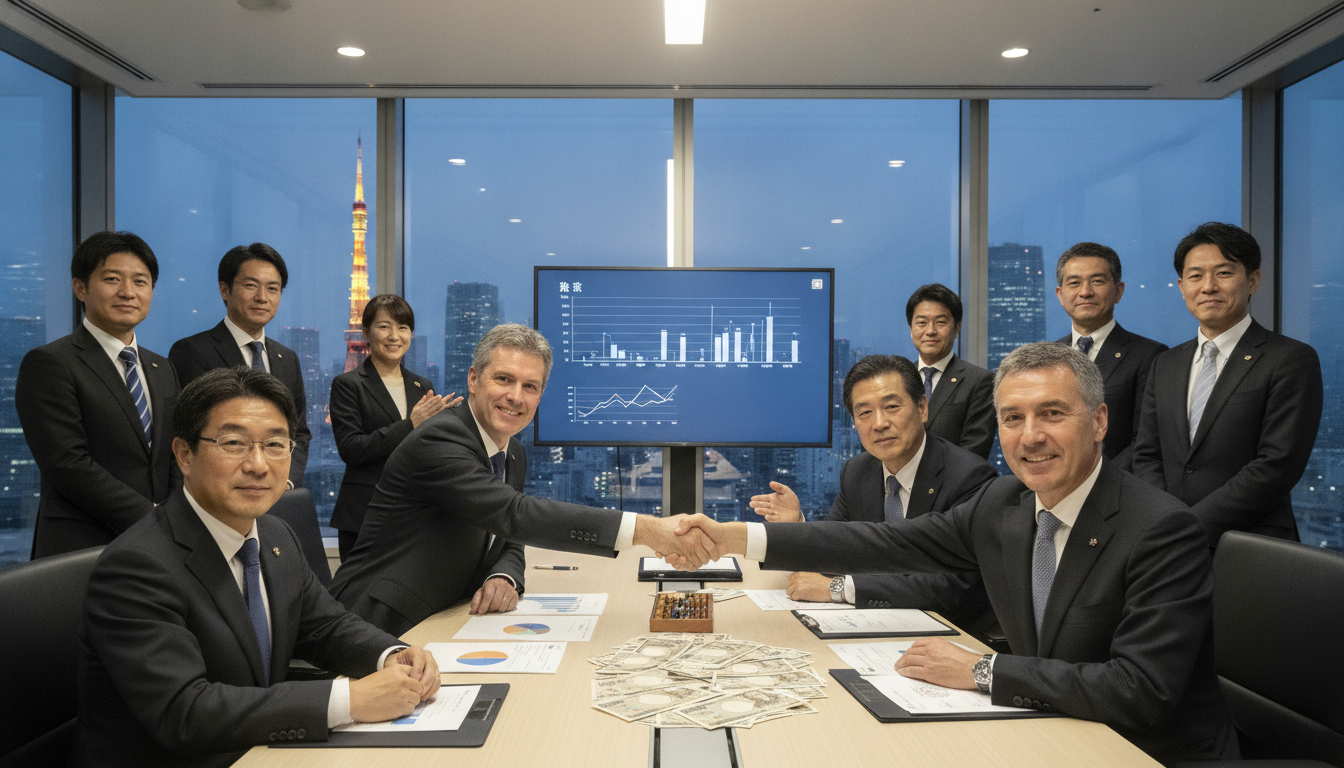
Bain Capital has realized an estimated ¥2.5 trillion ($17 billion) gain from selling part of its stake in Kioxia after the memory chipmaker’s share price surged, marking a record private equity return in Japan.
Bain Capital, the largest shareholder in Kioxia Holdings, has pocketed roughly ¥2.5 trillion in gains following a sharp rise in the company’s share price, a Nikkei estimate shows. The windfall, equal to about $17 billion, is believed to be the largest return from a private equity investment recorded in Japan’s market history. The transaction underscores the scale of value creation tied to a recovery in semiconductor valuations.
Bain Capital Realizes Record Gain
Bain acquired Toshiba Memory from Toshiba in 2018 through four special-purpose companies and later became the largest shareholder in what is now Kioxia. The firm’s decision to unwind part of its investment after a sustained share-price rally has produced returns that industry observers say are unprecedented in the domestic private equity sector.
Market participants and analysts cited by Nikkei have characterized the gain as a milestone for private equity exits in Japan, noting the amount surpassed previous high-water marks for returns realized by buyout firms operating in the country. The sale highlights both the scale of capital deployed by global buyout firms and the potential for large upside when sector conditions turn favorable.
Share Price Surge Triggers Sale
Kioxia’s market value climbed markedly in the period leading up to the sale, prompting Bain to monetize part of its holdings and lock in substantial capital gains. While precise timing and the details of each tranche sold were not disclosed in the estimate, the link between the rally and the exit decision was clear in reporting.
Investors frequently use share-price accelerations as windows to extract value, especially when holdings are sizable and market liquidity improves. For Bain, the surge provided an opportunity to reduce concentrated exposure to one of the world’s leading memory-chip manufacturers while capturing outsized returns on a multiyear investment.
2018 Acquisition of Toshiba Memory Explained
The roots of the current outcome trace back to 2018, when Bain and partners acquired Toshiba Memory from Toshiba in a series of transactions conducted through four special-purpose companies. That deal separated the memory business from its former parent and set the stage for independent capital allocation and strategic decisions under new ownership.
Over subsequent years the business was rebranded as Kioxia and navigated a cyclical industry marked by periods of oversupply and tightness. Bain’s long-term stewardship and the sector’s recovery combined to elevate the company’s valuation, ultimately enabling the sizable paper gains now realized as actual proceeds.
Impact on Japan’s Private Equity Landscape
The magnitude of Bain’s gain is likely to reverberate through Japan’s buyout and investment community, influencing both the pricing of future deals and expectations around exit paths. A record return of this size can attract more international capital to Japanese assets, while also prompting domestic firms to reassess strategic partnerships and governance structures.
At the same time, the outcome may intensify scrutiny of how private equity investors achieve value, including operational improvements, capital investment, and timing of public-market exits. Policymakers and corporate stakeholders might also take greater interest in the implications for employment, technology transfer, and long-term industrial policy when global buyout firms hold major stakes in strategic sectors.
Semiconductor Market Context
The semiconductor industry, and memory chips in particular, has been subject to pronounced demand swings tied to data-center expansion, artificial intelligence workloads, and consumer electronics cycles. Those structural drivers, together with periodic supply adjustments by manufacturers, create conditions where valuations can move quickly in either direction.
Kioxia’s improved market positioning reflects broader industry dynamics that have recently shifted in favour of suppliers of NAND flash and related memory technologies. Buyers and sellers in capital markets have thus re-evaluated company prospects, often rewarding firms that demonstrate resilience and alignment with secular demand trends.
Potential Next Steps for Kioxia and Investors
Following the partial stake sale, Kioxia’s ownership profile may evolve further as former shareholders redeploy capital or new investors seek exposure to the memory market. The company itself may use the market momentum to pursue strategic investments, partnerships, or additional public-market transactions depending on board-level decisions and long-term plans.
For Bain and co-investors, the transaction offers both liquidity and a benchmark for performance that could influence fundraising and dealmaking strategies going forward. The sizable gain will likely be highlighted to prospective limited partners as evidence of the returns attainable through disciplined, long-horizon investments in technology assets.
The sale of part of Bain Capital’s holding in Kioxia stands as a landmark exit in Japan’s private equity history, demonstrating how sector recovery and strategic timing can turn a multi-year investment into a record-setting return.

