
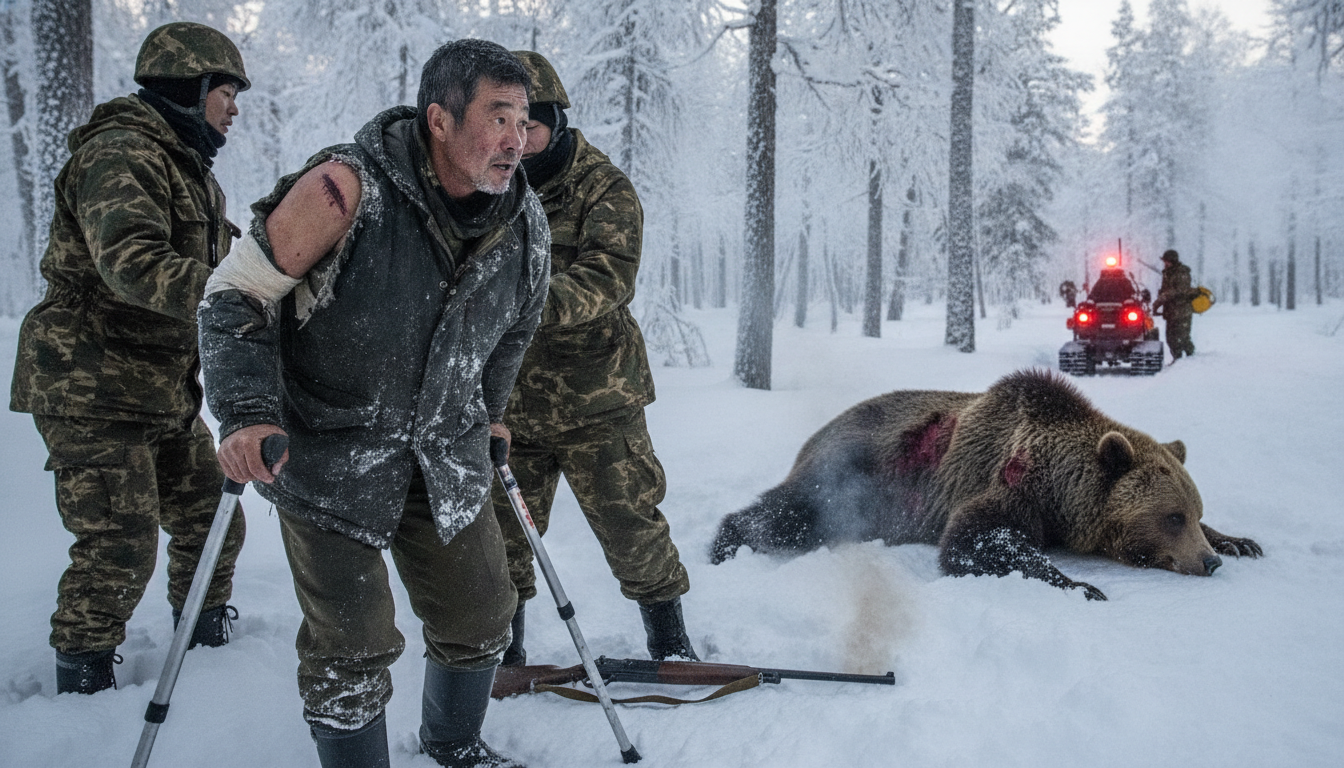
Hokkaido bear attack leaves 69-year-old hunter with serious injuries after five-minute struggle
Hokkaido bear attack in Shimamaki injured a 69-year-old hunter during April spring management capture; the bear was shot multiple times and then counterattacked.
A Hokkaido bear attack on April 26 left veteran hunter Norihiko Takashima with severe injuries after a prolonged close-quarters struggle in the mountains of Shimamaki village. The incident occurred during a spring management capture operation, a period when hunters actively remove bears that pose risks to communities. Despite multiple gunshots fired at the animal, the bear charged and engaged Takashima in a fight that rescuers later described as lasting roughly five minutes. Authorities and local hunting groups are reviewing the response and safety procedures after the harrowing encounter.
April 26 attack in Shimamaki Hokkaido
The party of five hunters had been conducting spring management capture in a steep ravine known locally as Mitchi no sawa when they encountered a bear in the mid-afternoon. According to members of the group, an initial bear was shot and recovered, and as they climbed the slope to retrieve the animal a second bear appeared near a cliff edge about 200 to 300 meters away. One hunter, Yuji Hanada aged 57, fired two rounds that struck the second bear’s back and caused it to tumble down the slope toward the team. The animal stopped only a few meters from the lead hunters and then launched an aggressive attack on Takashima.
Sequence of gunfire and the counterattack
Witnesses say Takashima and his colleagues opened fire at the approaching animal, and at least four bullets struck the bear during the encounter. Even after being hit, the bear remained mobile and aggressive, closing the distance to the hunters and forcing a physical confrontation. The fight that followed was described by rescuers as intense and accompanied by the sound of bone fractures, indicating the severity of the injuries Takashima suffered. The team managed to separate from the animal eventually and evacuate the injured hunter to hospital for emergency treatment.
Injuries sustained and hospital treatment
Takashima, who has more than 40 years of hunting experience and leads local hunter training, was transported to a nearby medical facility where he underwent treatment and a prolonged recovery. Reports indicate he suffered multiple fractures and other serious trauma and required a lengthy inpatient stay, with hospital sources citing a recovery period of several weeks. His survival has been credited to rapid decisions by the hunting party, immediate first aid, and coordinated emergency transport. Local officials said his condition stabilized after surgery and intensive care, and that he has since been able to speak about the incident with investigators.
Dangers of half-shot bears and on-field protocols
Wildlife experts and experienced hunters stress that a bear wounded but not immediately incapacitated can be more dangerous than an uninjured animal because of unpredictable, frenzied behavior. In Japan the term half-shot is used to describe such dangerous encounters, which call for heightened caution and clear protocols for withdrawal and medical evacuation. The Shimamaki incident highlights how visibility, terrain, and the presence of multiple animals can complicate decision-making during capture operations. Local hunting associations are urging strict adherence to radio checks, preplanned escape routes, and the assignment of clear roles to reduce risk.
Spring management capture purpose and regional context
Spring management capture takes place during the remnant snow period when tracks and signs of bears are easier to detect, typically between February and May, and is intended both to protect human settlements and to train younger hunters. Hokkaido has seen an increase in human-bear interactions in recent years as bears range closer to populated areas in search of food, raising the stakes for management operations. Municipalities and prefectural authorities coordinate with licensed hunters to remove problem animals, but the work remains inherently hazardous. The Shimamaki attack has prompted renewed discussion among officials about resource allocation for prevention and rescue capabilities in remote mountain zones.
Review of safety measures and local response
Following the attack, Shimamaki village officials and the regional hunting federation convened to examine the sequence of events and the effectiveness of current safety measures. Proposals under consideration include enhanced training for younger hunters, additional safety equipment such as reinforced transport and communication gear, and clearer protocols for when to disengage from a potentially wounded animal. Emergency medical access in rugged areas was also identified as an area needing improvement, with calls for faster air or ground evacuation options during peak capture seasons. Community leaders emphasized the necessity of balancing bear management with the safety of those who carry out the work.
The Shimamaki incident underscores the risks inherent in wildlife management in Hokkaido and the need for careful review of tactics and support systems. As Takashima recovers, authorities and hunting groups say they will work together to reduce the likelihood of a repeat attack and to strengthen protections for both residents and those on the front lines of bear management.

