
China Rebuts Overcapacity Claims as U.S. and EU Prepare New Trade Curbs
China rebuffs overcapacity claims as Washington and Brussels ready tariffs; Beijing frames the challenge as an innovation opportunity amid rising trade tensions and export pressure.
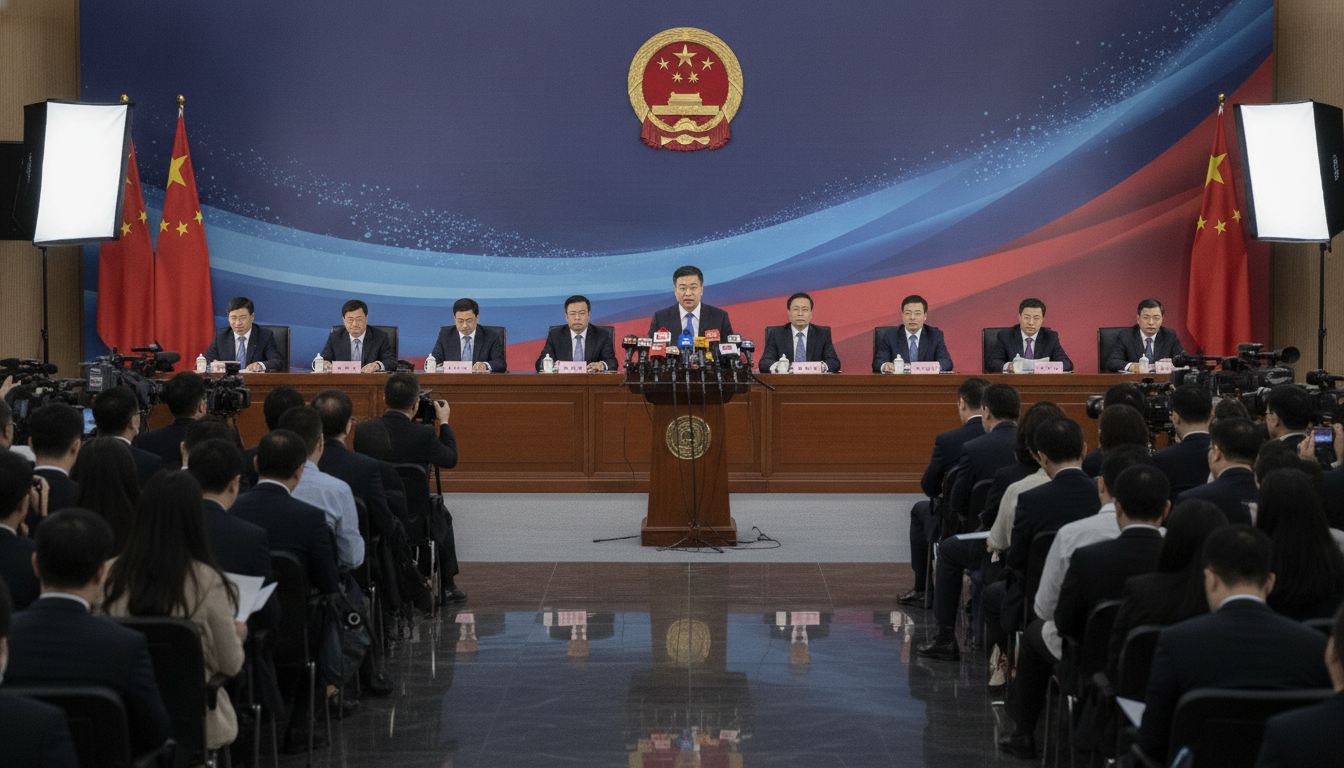
China on Tuesday issued a lengthy rebuttal to allegations that it is enabling industrial overcapacity, rejecting claims that its policies deliberately flood global markets. The statement, delivered by officials in Beijing, came as the United States and European Union signaled plans for new tariffs and trade curbs on a range of Chinese imports. The exchange highlights escalating tensions over trade and industrial policy just as exporters face heightened scrutiny at ports and in international markets.
Beijing Issues Detailed Rebuttal
China’s response disputed the premise that domestic support measures have created sustained excess capacity that harms global competitors. Officials argued their industrial policies seek to modernize and upgrade manufacturing rather than produce a surplus aimed at undercutting foreign producers. The rebuttal emphasized legal compliance with World Trade Organization rules and called for dialogue to resolve market concerns.
The document framed recent export growth as part of structural change rather than a policy-driven glut, and it stressed measures Beijing says are aimed at improving product quality and efficiency. Chinese authorities also pointed to steps under way to address specific sectors where prior excesses had been identified, portraying the adjustments as evidence of responsible management.
Washington and Brussels Advance Tariff Plans
U.S. and European officials have been moving toward fresh restrictions, citing national security and unfair trade practices as rationales for tighter measures. In various capitals, policymakers are evaluating tariffs, quotas and screening mechanisms that target imports alleged to be linked to subsidized production. The planned actions intend to shield domestic industries while pressuring Beijing to alter trade-distorting practices.
Trade officials in Washington and Brussels have signaled that measures will be calibrated to restrict key goods without provoking a full-scale escalation, though details are still being finalized. Analysts expect announcement timelines and scope to be driven by political priorities and the outcomes of ongoing consultations among allies.
Commerce Ministry Seeks to Rebrand ‘China Shock 2.0’
Beijing’s commerce ministry has begun reframing the narrative around what some observers call “China Shock 2.0,” urging businesses and the public to view external pressure as an impetus for innovation. The ministry pitched policies to accelerate research and development, promote higher-value manufacturing and support domestic firms in moving up global value chains. This messaging aims to counter perceptions that China’s growth strategy relies on volume and subsidies.
Officials have highlighted state-backed programs to commercialize advanced technologies and to foster private-sector entrepreneurship as central pillars of the response. The rebranding effort is designed both to reassure international partners and to mobilize domestic actors to reduce vulnerability to tariffs and trade restrictions.
Exporters and Ports Face Immediate Pressure
On the ground, export hubs are adjusting to a backdrop of intensifying scrutiny, with images of cars lined up at Shanghai’s port underscoring the logistical scale at stake. Freight operators and manufacturers are monitoring developments closely as potential tariffs could alter demand patterns and raise costs for shipments bound for Western markets. Firms with integrated supply chains face the prospect of rerouting production or seeking alternative markets to avoid new levies.
Shipping lines and customs brokers are also preparing for administrative changes that often accompany trade measures, including tougher documentation and certification standards. For exporters already operating on thin margins, additional barriers may accelerate decisions to shift production, invest in automation, or diversify export destinations.
Regional Supply Chains and Policy Risks
The dispute is expected to reverberate across East Asia, where production networks are tightly interwoven and many economies depend on both Chinese inputs and final-goods exports. Policymakers in neighboring countries are weighing the economic risks of a sharper trade split between China and Western markets. Firms that source components from multiple jurisdictions may face complex compliance requirements and potential price adjustments.
Tokyo and other regional capitals are assessing contingency plans to protect domestic industries and maintain supply continuity, while businesses evaluate whether to increase local sourcing or invest in alternative manufacturing sites. The broader question for the region is whether trade tensions will accelerate a long-term reconfiguration of supply chains or prompt short-term tactical shifts by firms.
The latest exchange between Beijing and Western capitals underscores how trade policy and industrial strategy are converging into a central diplomatic fault line. Market participants and governments alike will be watching closely for concrete steps from the U.S. and EU and for follow-up measures from China that could include additional support for innovation or targeted adjustments in sectors under scrutiny.

