
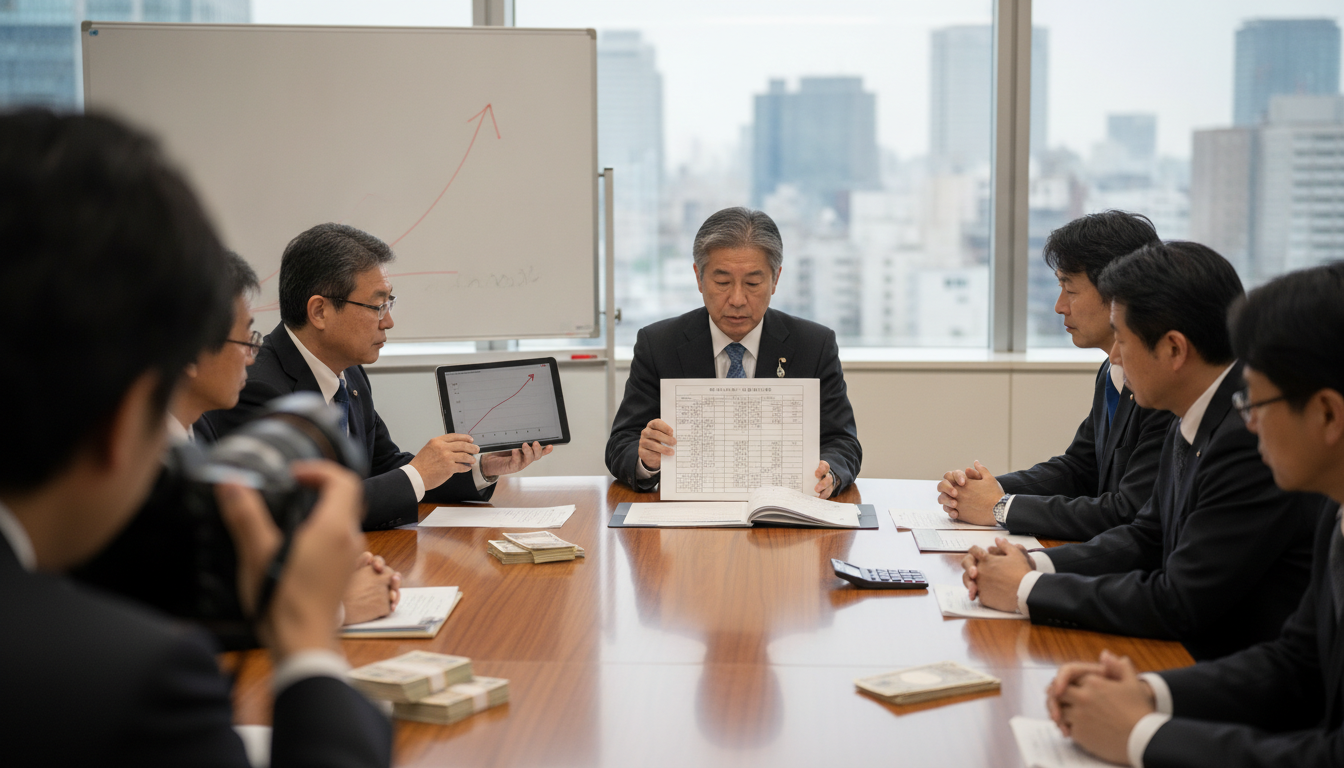
Minimum wage rise slows as 2026 guideline sets national average at ¥1,176
Japan’s 2026 minimum wage guideline rose 4.9% to ¥1,176 on July 28, 2026, slowing progress toward the government’s ¥1,500 target amid softer inflation and debate.
The central committee set a nationwide weighted-average guideline of ¥55 higher than the previous year, marking a 4.9% increase to ¥1,176 per hour on July 28, 2026. The ruling narrows the expansion of annual increases seen in recent years and signals a more cautious approach as policymakers weigh persistent but decelerating price pressures. Workers and employers remain sharply divided over the appropriate pace of increases, underscoring political and economic trade-offs ahead of regional decisions.
Guideline Set at ¥1,176 After 4.9% Increase
The small committee of the Central Minimum Wage Council concluded deliberations that began on June 26 and recommended a ¥55 rise, producing a national weighted-average suggestion of ¥1,176 an hour. The move represents a smaller incremental jump than immediate past years when larger percentage increases were recorded amid sharper inflation. Council members cited mixed indicators of household cost pressures and firm-level capacity to pay as central to moderating the guideline.
Officials described the figure as a compromise between the competing demands of worker groups and business representatives. The guideline is not binding but serves as the key reference for prefectural minimum wage councils that set legally enforceable hourly rates across Japan.
Inflation Trends Shaped Deliberations
Price developments were a central theme throughout the committee’s meetings, with particular attention to food costs that have driven household inflation in recent years. While food prices and some service sectors continue to show elevated levels, the pace of increase has slowed, a factor cited by some members in arguing for a more modest rise. The council examined recent consumer price indices and business surveys to assess whether wage gains could be sustained without triggering renewed inflationary cycles.
Economic advisers warned that lifting the minimum wage too rapidly in the current environment could strain smaller businesses that have seen operating margins squeezed by higher input costs. Conversely, labor representatives pointed to stagnant real incomes for many low-wage workers and argued that a stronger increase was needed to secure basic living standards and support domestic demand.
Labor and Management Diverged on Raise Size
Labor unions pressed for a ¥75 increase, which would have raised the national guideline by about 6.7%, arguing that higher wages are essential to cover household expenses and reduce income disparities. Worker advocates emphasized the cumulative shortfall in earnings for low-income households and noted that wage increases can bolster consumer spending, supporting a broader economic recovery. Their proposal reflected ongoing calls for more aggressive redistribution through earnings.
Employer delegates accepted that increases should exceed the typical raises seen in small and micro enterprises—around 3.0% in recent surveys—but urged that recommendations be grounded in rigorous data. Business groups highlighted the uneven capacity to absorb higher labor costs, particularly among small retailers, restaurants and some service providers, and sought phased or targeted measures to avoid layoffs or price hikes that would further squeeze consumers.
Impact on Government’s ¥1,500 Goal and Political Debate
The central government has previously signaled an ambition to raise the national minimum wage to ¥1,500 per hour as a long-term target to boost living standards. The 2026 guideline, however, dampens the near-term trajectory toward that figure, prompting debate among policymakers about timelines and instruments. Some lawmakers and policy analysts argue that complementary measures—such as targeted subsidies or tax relief for small businesses—will be needed to maintain momentum toward the ¥1,500 mark without imposing undue burdens on vulnerable firms.
The decision also carries political weight ahead of local and national elections, as parties and interest groups weigh the social benefits of faster wage growth against potential costs for employment and business survival. Opposition voices have framed the guideline as insufficient to protect low-pay workers, while some governing coalition members emphasize caution to preserve business competitiveness.
Next Steps for Prefectural Councils and Implementation
Following the central council’s guideline, prefectural minimum wage councils will convene to set legally binding hourly rates for each region, typically factoring in local living costs and business conditions. These regional deliberations determine the actual increases workers will see, and they often result in variations across prefectures depending on economic structure and labor market tightness. Employers and unions are expected to intensify negotiations at the local level in the coming weeks.
The timeline for statutory revisions varies by prefecture, but implementation generally follows the council decisions for the fiscal year. Authorities have indicated they will monitor company-level impacts and consider policy responses if significant disruptions emerge, including support measures for small and medium-sized enterprises.
The July 28 guideline marks a turning point in Japan’s recent pattern of widening minimum wage increases, reflecting a balance between protecting low-wage workers and safeguarding fragile business finances. As prefectural councils translate the central recommendation into local rates, the pace of wage-led income improvement and the government’s ¥1,500 ambition will hinge on the outcomes of those regional negotiations and any accompanying policy support.

